

 English
 中文简体
中文简体 عربى
عربىStable dissolved oxygen levels are central to water treatment efficiency, aquaculture growth, and pond management. In many regions, electricity supply is limited, unstable, or expensive. A Solar Panel Aerator provides an alternative by converting sunlight into power for aeration systems, allowing continuous oxygen transfer without relying entirely on grid electricity.
Designed for wastewater tanks, fish ponds, and remote reservoirs, this solution integrates solar modules with an air compressor or blower. Cooperation with an experienced Solar Panel Aerator Manufacturer supports reliable system configuration and long-term operation.
How a Solar Panel Aerator Works
A Solar Panel Aerator captures sunlight through photovoltaic panels. The generated electricity powers a small air compressor or blower. Air travels through pipelines into diffusers or aeration stones placed in the water.
Fine bubbles are released from the diffusers, increasing contact between air and water. This improves dissolved oxygen concentration while promoting circulation. In wastewater treatment tanks, the added oxygen supports aerobic microorganisms responsible for breaking down organic matter. In aquaculture ponds, it supports fish metabolism and feeding activity.
Because the system operates based on solar radiation, daytime performance is typically stronger. Some configurations integrate battery storage to support operation during cloudy periods or nighttime, depending on project requirements.
Why Energy Structure Matters in Water Projects
Traditional aeration equipment relies on constant grid power. In remote farms or rural treatment stations, electrical infrastructure may be limited. High operating hours also increase long-term energy costs.
A Solar Panel Aerator reduces dependence on external power sources. By using renewable energy, operational expenses become more predictable. This approach aligns with environmental management goals and reduces carbon emissions associated with fossil fuel electricity.
From a financial perspective, energy savings accumulate over extended operation cycles. For water bodies requiring daily aeration, solar-driven systems offer stable long-term value.
Applications Across Different Water Environments
Wastewater Treatment Facilities
Aeration is central to biological wastewater processes. Oxygen supports microbial activity responsible for degrading pollutants. A Solar Panel Aerator can supplement or partially replace grid-powered blowers in small or decentralized treatment stations.
This is particularly useful in rural communities or temporary facilities where full electrical infrastructure is not available.
Aquaculture Operations
Fish and shrimp farming require stable oxygen levels, especially during feeding cycles and warm seasons. Solar-powered aeration supports pond health without continuous electricity costs. For medium-sized farms, multiple units can be distributed across ponds to improve oxygen coverage.
Pond and Lake Management
Decorative ponds, irrigation reservoirs, and natural lakes benefit from improved circulation. Aeration reduces stagnation and helps control algae growth by maintaining oxygen balance. Solar systems allow installation in parks or agricultural fields without underground cable work.
Integration with Broader Water Management Systems
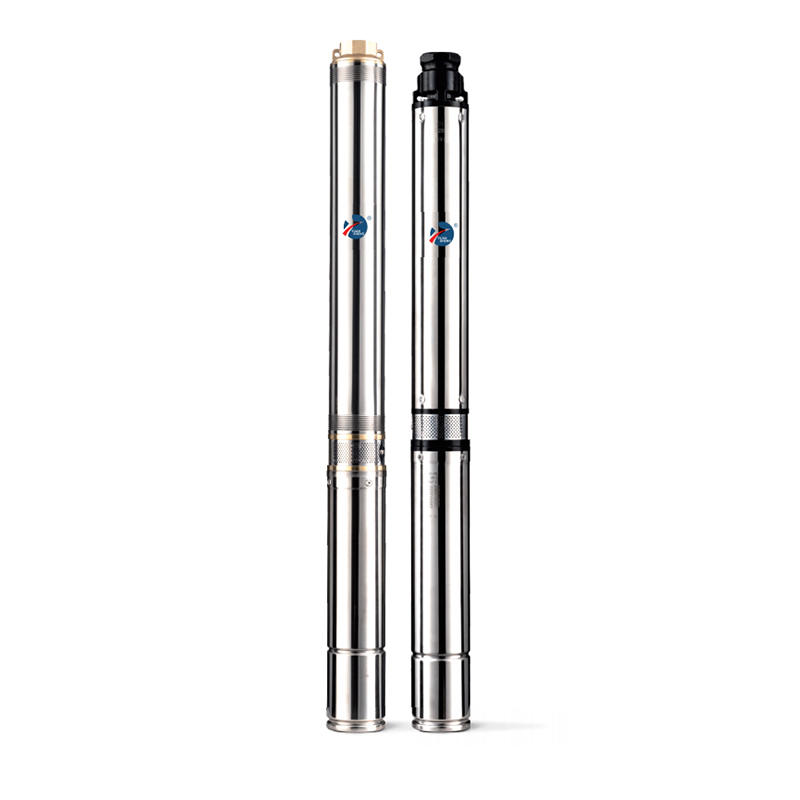
In some installations, solar aeration works alongside sewage water pumps or submersible pumps. Wastewater transfer and oxygenation function together to maintain treatment efficiency. Coordinated system design improves overall water circulation and biological performance.
For agricultural irrigation reservoirs, combining deep well pumps with solar aeration maintains both water supply and water quality. Such integration supports sustainable water management strategies.
Water quality management requires stable and continuous intervention. A Solar Panel Aerator offers an energy-conscious approach to oxygen transfer in ponds, wastewater tanks, and lakes. By utilizing renewable power and straightforward mechanical design, it supports reliable aeration across diverse environments.
Partnering with an experienced Solar Panel Aerator Manufacturer provides access to technical documentation, system configuration guidance, and consistent production standards. With appropriate sizing and installation planning, solar-powered aeration systems contribute to balanced aquatic environments and predictable operational performance.