

 English
 中文简体
 عربى
A farmer may have a suitable well, an established irrigation network, and enough land to cultivate, yet the cost and availability of electricity can still affect the entire growing operation. In remote agricultural areas, connecting to a stable power supply is not always practical. Diesel generators offer another option, but fuel transportation, routine servicing, and changing energy expenses can make daily water management difficult.
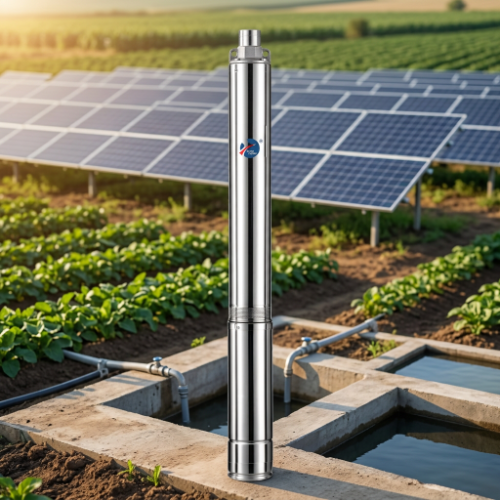
This is where solar energy enters the conversation. A Solar Powered Deep Well Pump for Irrigation can use electricity generated by photovoltaic panels to draw groundwater and deliver it to crops or a storage facility. The idea sounds straightforward, but the actual system involves much more than placing solar panels beside a well. Water demand, sunlight, borehole conditions, pump capacity, and irrigation schedules all need to work together.
So, can solar power genuinely change agricultural water supply? The answer depends on how the system is planned and whether the groundwater source can support the intended extraction.
1. Why Are Farms Looking at Solar Water Pumping?
Water requirements rarely follow a convenient timetable. During a dry period, crops may need regular irrigation even when rainfall is limited. A farm located far from the electrical grid may have to arrange fuel deliveries or operate a generator whenever water is required.
Solar photovoltaic technology offers a different operating arrangement. Panels convert sunlight into electricity, which can be managed by a controller and supplied to a compatible electric pump. Water can then be lifted from a borehole and directed to a field, reservoir, or distribution network.
For agricultural businesses, the attraction is not simply the use of renewable energy. It is the possibility of coordinating water extraction with daylight hours and reducing dependence on conventional fuel-based power generation.
Where can this arrangement make sense?
- Remote farms: Sites where grid connections are difficult or expensive to establish.
- Greenhouse operations: Facilities that require planned water delivery for different growing areas.
- Small and medium irrigation projects: Farms where daily demand can be matched with available solar generation.
- Livestock and agricultural facilities: Locations that need groundwater for several farm activities.
- Existing well installations: Projects considering a change in the energy source used for pumping.
However, the suitability of this arrangement should be assessed individually. A deep borehole with substantial lifting requirements has different energy needs from a shallow water source. Local sunlight conditions and the amount of water required each day also influence the decision.
2. What Actually Happens Between Sunrise and Sunset?
One interesting difference between conventional electric pumping and photovoltaic-powered operation is the relationship between electricity generation and the daily water schedule.
Instead of assuming that the pump can operate at a constant output throughout the day, the system needs to account for changing sunlight. This makes water planning an important part of the engineering process.
A typical daily operating cycle
| Time of day | What happens | What the operator should consider |
|---|---|---|
| Early morning | Solar generation begins to increase as sunlight becomes available. | Check whether the controller can provide suitable power for starting and operation. |
| Late morning | Available electricity generally increases with stronger sunlight. | Water can be directed toward a reservoir or scheduled irrigation zones. |
| Midday | Solar generation may approach its daily peak, depending on weather and panel orientation. | Manage pumping output according to the well yield and water demand. |
| Afternoon | Available solar energy gradually changes as sunlight conditions shift. | Continue filling storage or supply areas according to the operating plan. |
| Evening | Solar generation decreases and eventually stops. | Stored water can support irrigation when direct pumping is unavailable. |
This cycle explains why water storage can be an important part of agricultural pumping. Instead of depending entirely on electricity availability at the moment irrigation is needed, a farm can extract water during suitable daylight periods and hold it for later distribution.
The approach does not mean every installation needs battery storage. In many agricultural applications, storing water in a suitable tank or reservoir can be a practical alternative to storing all the generated electricity. The choice depends on site conditions, operating hours, available land, and the required level of supply continuity.
3. Solar Panels Are Only One Part of the System
A common misunderstanding is that the photovoltaic array determines the entire pumping arrangement. In reality, several components must operate as a coordinated system. A mismatch between the power source, controller, motor, and hydraulic requirements can affect the amount of water delivered.
Understanding the role of each component helps agricultural buyers ask more useful questions before purchasing equipment.
How the main components work together
| System component | Its role | What needs to be checked |
|---|---|---|
| Solar photovoltaic panels | Convert sunlight into electrical energy. | Local solar conditions, panel arrangement, and available output. |
| Pump controller | Manages electrical supply and operating conditions. | Compatibility with the motor and the selected control method. |
| Deep well pump | Extracts groundwater and delivers it through the discharge line. | Flow requirements, total head, well conditions, and material suitability. |
| Water storage tank | Holds extracted water for later use. | Daily consumption, storage capacity, and available installation space. |
| Distribution network | Transfers water to irrigation areas. | Pipe dimensions, pressure requirements, filtration, and delivery layout. |
| Monitoring and protection equipment | Helps manage operation and identify abnormal conditions. | Water level monitoring, dry-running protection, and electrical safety. |
The system designer needs to consider these parts together. Selecting a pump before understanding the available solar energy and hydraulic conditions can result in an installation that does not meet the farm's actual water requirements.
4. How Do You Size a Solar Pumping System for a Deep Well?
This is where a promising concept becomes an engineering project. The required water volume must be understood before the pump and photovoltaic equipment are selected.
For agricultural use, water demand is influenced by crop type, cultivated area, soil characteristics, local climate, irrigation method, and growing season. A field growing vegetables may have a different watering schedule from an orchard or a greenhouse operation.
Begin with the crop, not the pump catalogue
Farm operators should establish how much water the cultivated area needs over a typical day and during periods of increased demand. Seasonal differences should also be included. Some crops require more water during particular growth stages, while rainfall may reduce irrigation requirements at other times.
The irrigation method changes the delivery arrangement as well. Drip systems distribute water close to plant roots, while sprinkler installations require suitable operating pressure and a different distribution layout. Flood irrigation has its own water volume and field management considerations.
Why does borehole depth not tell the whole story?
The total depth of a well is not the same as the height through which the pump must lift water during operation. Engineers need to distinguish between the static water level and the pumping water level.
When groundwater is extracted, the water level may fall. This change is known as drawdown. The pump must be evaluated against the expected pumping level, delivery elevation, pipeline resistance, and any required pressure at the destination.
These factors contribute to the total dynamic head. The resulting operating requirement should then be compared with the manufacturer's performance curve.
Another important issue is well yield. A pumping system should not extract water faster than the source can reasonably replenish it. Increasing the available solar power does not increase the natural supply of groundwater.
5. Should You Store Water or Electricity?
After understanding the daily pumping schedule, the next decision concerns how to make water available when sunlight is limited.
There are two common approaches: storing water in a tank or reservoir, and using battery storage to retain electrical energy. They solve different problems and should not be treated as interchangeable features.
Water storage: A practical option for irrigation scheduling
When a pump operates during daylight hours, extracted water can be collected in an appropriately designed reservoir. The stored supply can then be released through the irrigation network according to crop requirements.
This arrangement separates the timing of extraction from the timing of field application. For example, water can be pumped during the day while irrigation is scheduled for early morning or evening, depending on crop management practices and local conditions.
Storage capacity should be based on actual daily consumption, expected weather changes, and the number of hours during which water must remain available. An undersized reservoir may lead to shortages, while excessive capacity can add unnecessary construction and maintenance expenses.
Battery storage: When does it become useful?
Batteries can retain electrical energy for use when sunlight is unavailable. They may be considered when a project needs operation outside daylight hours or when the system has specific continuity requirements.
However, battery selection introduces additional considerations, including charging arrangements, usable capacity, operating temperature, replacement planning, and maintenance. The overall investment should be compared with the alternative of storing water.
For some farms, a combination of water storage and limited battery support may be appropriate. The decision should follow the actual operating schedule rather than a general preference for one technology.
6. What Can Go Wrong When Solar Irrigation Is Poorly Planned?
Renewable energy can change how water is supplied, but it does not remove the practical challenges associated with groundwater extraction. In fact, easier access to pumping energy can create new water management concerns if extraction is not monitored.
Several problems deserve attention before the installation begins.
Insufficient sunlight during critical irrigation periods
Cloud cover, seasonal weather, dust accumulation, and panel shading can reduce electricity generation. A system designed around average sunny conditions may struggle during periods of lower solar availability.
Project planning should therefore consider local solar resource information and realistic operating expectations. Water storage or an appropriate backup arrangement may be needed where supply interruptions would affect crop management.
Groundwater extraction exceeds the well's recovery capacity
This issue is particularly important in agricultural areas where several farms depend on the same aquifer. If extraction consistently exceeds natural replenishment, groundwater levels may decline.
Lower water levels can increase lifting requirements and affect the amount of water available to nearby users. Long-term planning should include well monitoring, permitted extraction limits, and local water management requirements.
Sediment and water quality affect equipment operation
Sand, fine particles, dissolved minerals, and other substances may influence the choice of pump materials and filtration arrangements. Water quality should be assessed before finalizing the equipment configuration.
Regular observation can help operators identify changes in water appearance, flow conditions, or operating noise. Where sediment is present, the intake arrangement and filtration method should be reviewed with the equipment supplier.
Electrical components are not correctly matched
A photovoltaic array, controller, and pump motor must be compatible. The system should account for starting requirements, voltage characteristics, protection arrangements, and changes in available power.
It is not advisable to connect a conventional motor directly to a solar array without confirming the required control and electrical configuration. A qualified system designer should verify compatibility before commissioning.
7. Is Solar Irrigation Suitable for Every Type of Farm?
Not necessarily. The suitability of photovoltaic pumping depends on the water source, daily consumption, solar conditions, and the farm's ability to manage stored water.
The following comparison offers a starting point for project discussions.
| Agricultural setting | Potential application | Important planning issue |
|---|---|---|
| Remote vegetable farm | Groundwater extraction with reservoir-based irrigation. | Daily crop demand and available storage space. |
| Greenhouse facility | Scheduled water delivery to separate growing areas. | Consistent distribution pressure and filtration. |
| Orchard | Water supply for drip or localized irrigation. | Seasonal crop requirements and distribution layout. |
| Large agricultural estate | Multiple pumping and storage points. | Well yield, system coordination, and groundwater monitoring. |
| Farm with limited sunlight | Hybrid power or alternative water supply arrangements. | Backup planning and seasonal energy availability. |
A site assessment is particularly important for farms relying on deep boreholes. The required lifting head may create a substantial electrical demand, and the available groundwater may not support the planned irrigation schedule.
8. How Should Buyers Choose the Pump for a Solar Irrigation Project?
Once the energy arrangement has been considered, buyers can focus on the actual pumping equipment. The selection should reflect the well and irrigation system rather than being based solely on whether a product is described as suitable for agricultural use.
Review these five areas before requesting a quotation
- Hydraulic requirements: Establish the expected flow, pumping water level, delivery height, and pipeline losses.
- Water characteristics: Review mineral content, acidity, suspended particles, and other conditions that may affect wetted components.
- Motor compatibility: Confirm the motor's electrical requirements and whether a suitable solar controller or inverter arrangement is available.
- Installation conditions: Check the borehole diameter, pump positioning, discharge connection, cable arrangement, and maintenance access.
- Operating plan: Decide when water will be extracted, where it will be stored, and how it will reach the cultivated area.
Material construction also deserves attention. Stainless steel components are used in various groundwater applications, but material grades should be checked against the actual water chemistry. The material of each wetted component matters, rather than relying on a general description of the complete assembly.
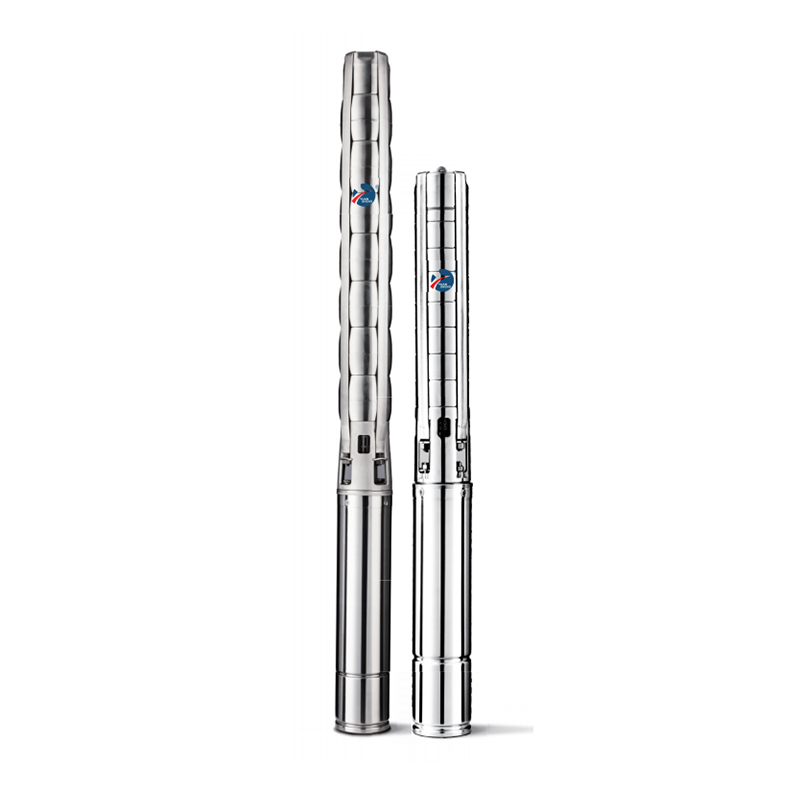
For projects considering stainless steel equipment, buyers can review the QG imported stainless steel deep well pump from Yuansheng. Its product information provides details about component materials, construction, and listed applications, which can help buyers begin a technical discussion about project suitability.
It is important to distinguish the pump itself from a complete photovoltaic pumping package. The product page does not establish that the QG unit includes solar panels or an integrated solar controller. Buyers planning a solar installation should confirm the motor's electrical characteristics and the required control equipment with the supplier or system integrator.
9. A More Responsible Approach to Groundwater Irrigation
Solar energy can make groundwater extraction more accessible, but lower dependence on fuel does not automatically mean lower pressure on local water resources. When pumping becomes easier, operators may be tempted to extract additional water simply because energy is available.
That approach can create problems over time. Declining groundwater levels may increase pumping requirements, affect nearby wells, and change the quality or availability of the resource.
A responsible irrigation plan should connect energy use with water demand. Useful practices include:
- Monitoring groundwater levels at regular intervals.
- Recording daily extraction and comparing it with the well's sustainable yield.
- Using soil moisture information to guide irrigation timing.
- Choosing suitable irrigation methods to limit avoidable water losses.
- Maintaining storage and distribution equipment to reduce leakage.
- Following local groundwater permits and agricultural water regulations.
These measures help keep the pumping arrangement connected to the needs of the farm and the condition of the water source.
10. Frequently Asked Questions About Solar Deep Well Irrigation
Can a deep well pump run directly from solar panels?
Not every pump can be connected directly to photovoltaic panels. The motor and electrical configuration must be compatible with the available solar supply. A suitable controller or inverter may be required to manage starting, voltage variation, and operation.
Does solar irrigation require batteries?
No. Some installations operate during daylight hours and store extracted water in a tank or reservoir. Batteries may be useful when electrical operation is required outside sunlight hours, but their cost, maintenance, and replacement requirements should be considered.
Can solar energy operate a pump installed in a deep borehole?
Yes, provided the photovoltaic system, control equipment, motor, and hydraulic conditions are correctly matched. The pumping water level and total dynamic head are important when assessing the required electrical capacity.
How does cloudy weather affect agricultural water supply?
Reduced sunlight can lower the available electrical output and change pumping performance. A suitable storage arrangement, realistic seasonal planning, or an alternative power source can help address periods of limited solar generation.
Is stainless steel suitable for groundwater irrigation?
It can be suitable for many applications, but the correct material depends on groundwater chemistry and the construction of individual components. A water analysis and supplier confirmation should be part of the selection process.
Solar Energy Changes the Planning of Irrigation Water
Solar-powered pumping is not simply a replacement for one electricity source with another. It changes the way farms organize water extraction, storage, and distribution. Daylight availability, crop demand, borehole yield, and equipment compatibility all become part of the same planning decision.
For agricultural buyers, the practical starting point is to understand the water requirement and the condition of the well. The next step is to evaluate the pump, motor, photovoltaic supply, controller, and storage arrangement as one coordinated installation.
When these elements are properly matched, solar energy can offer an alternative way to support irrigation in locations where conventional electricity is limited or fuel-based operation is difficult to manage. Just as importantly, responsible groundwater monitoring helps ensure that convenient pumping does not lead to unnecessary extraction.
The future of agricultural water supply will depend not only on how water is pumped, but also on how carefully energy, equipment, and water resources are managed together.