

 English
 中文简体
中文简体 عربى
عربىAquaculture production hinges entirely on stable water quality. Unlike regular land farming, ponds are always affected by shifting surrounding conditions. Weather, stock density, feeding schedules and natural water flow all alter the pond's water state day by day.That's why farm operators invest in gear that keeps their water environment balanced.
Paddle Wheel Aerator Solar is standard equipment on fish and shrimp farms. Now more farmers and equipment buyers are turning to solar-powered versions as affordable green energy options gain traction.
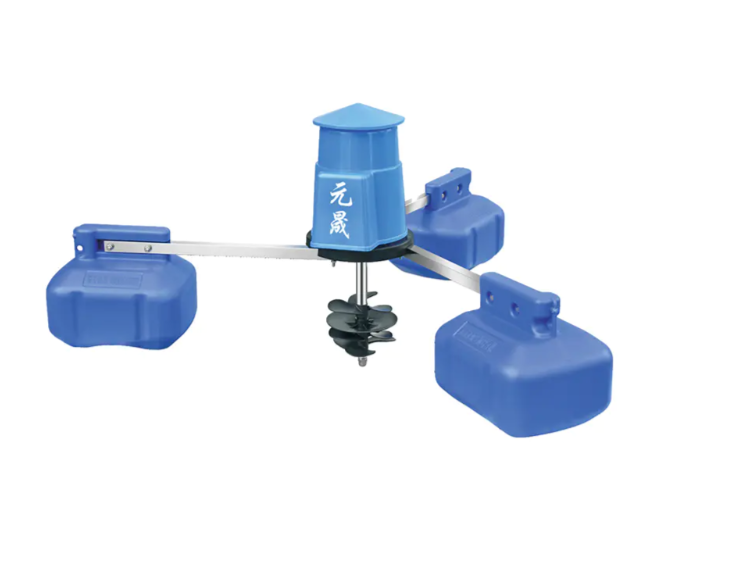
The working principle is straightforward: solar power drives the paddle wheel to churn the water surface. This stir boosts water circulation and lets more oxygen dissolve into the pond.
Farm owners don't just value these solar aerators for their hardware. They're after a workable solution to simplify daily pond care while cutting power costs and adapting to on-site power limits.
Why Does Water Management Matter in Aquaculture?
Lots of linked factors decide whether an aquaculture pond stays healthy. Water quality, feeding routines, shifting weather and how you run the farm all directly affect fish and shrimp.
Dissolved oxygen is something farmers check every day. Fish and shrimp can only behave normally when oxygen levels stay steady. If too many stock live in one pond or water sits stagnant, natural oxygen turnover won't be enough to support growth.
That's when aeration gear steps in to fix the issue.
Proper water flow keeps the whole pond balanced. Aerators stop dead zones from forming by circulating water across the entire farming area.
Seasoned farmers know pond care isn't a one-time fix. You have to keep checking conditions and use the right mix of equipment together.
Solar paddle wheel aerators fit right into this daily upkeep routine. They stir the water and make balancing pond conditions much less of a hassle.
These units work great for outdoor farms in particular. They run off sunlight, so operators don't have to fully rely on conventional electricity to keep the water oxygenated.
How Do Solar Paddle Wheel Aerators Work in Real Farming Conditions?
At first glance, a paddle wheel aerator looks like a simple device. Its main function is to create movement in the water through rotating paddles.
During operation, the paddles move across the surface of the pond. This action creates water circulation and increases contact between water and air.
In an actual farming environment, the working process is affected by many factors. Pond layout, farming methods, weather conditions, and daily management routines can all influence equipment use.
Farmers usually choose equipment based on their own situation rather than following a single standard approach.
For example, a shrimp farm located in an open area may consider solar-powered equipment because sunlight is easily available. A fish farm may focus more on how the equipment fits into its existing management routine.
The simple working principle makes solar paddle wheel aerators easy to understand for many users. However, choosing the right product still requires attention to application needs.
A supplier with experience in aquaculture equipment can often provide more useful suggestions because they understand how products are used beyond the factory environment.
What Advantages Do Solar Paddle Wheel Aerators Bring to Aquaculture Farms?
Every aquaculture business has its own management style. Some farms operate on a smaller scale, while others manage larger production areas. Their equipment needs may be different.
Solar paddle wheel aerators have attracted attention because they offer flexibility for different farming situations.
One reason is the use of solar energy. Many farms are located in outdoor environments where sunlight is naturally available. This creates possibilities for using renewable energy as part of daily operations.
Another reason is the practical role of water movement.
A pond is not a completely static space. Water conditions can change throughout the day. Equipment that helps create circulation can become part of routine farm management.
Common benefits considered by farmers include:
| Area of Use | Possible Support |
|---|---|
| Pond circulation | Helps move water through farming areas |
| Daily management | Provides additional equipment support |
| Energy planning | Offers another power option |
| Outdoor operation | Fits open farming environments |
The importance of these benefits depends on the specific farm situation. Different operators may have different priorities when selecting equipment.
Where Are Solar Paddle Wheel Aerators Commonly Applied?
The use of solar paddle wheel aerators is closely connected with aquaculture activities.
Fish farming is one common application. Farmers raising different types of fish often need equipment that can assist with water management.
Shrimp farming is another area where aeration equipment plays an important role. Shrimp ponds usually require careful attention because farming conditions can change quickly.
Beyond fish and shrimp farms, some other aquatic farming operations may also consider this type of equipment depending on their management goals.
Typical application areas include:
| Application | Reason for Use |
|---|---|
| Fish ponds | Supports water movement during farming |
| Shrimp ponds | Helps manage pond conditions |
| Outdoor aquaculture areas | Makes use of available sunlight |
| Farming projects | Provides additional operational support |
The final equipment choice usually depends on practical factors. Farmers need to consider their location, farming method, and long-term operation plans.
A product that works well in one farming environment may need different consideration in another.
Why Are More Farmers Exploring Solar Energy for Aquaculture Equipment?
Energy use has become an important topic in many industries, and aquaculture is no exception.
Farm owners are paying more attention to how equipment operates and how it fits into long-term management plans.
Solar energy provides another option for outdoor operations. Since aquaculture farms often have open spaces, solar-powered equipment naturally attracts interest.
The development of solar equipment is also connected with changing expectations from modern farms. Many operators want solutions that are practical, easier to manage, and suitable for different locations.
However, solar-powered equipment is not chosen only because of the energy source. Farmers also consider reliability, maintenance, supplier support, and whether the equipment matches their actual needs.
A good purchasing decision comes from looking at the complete farming situation.
What Should Buyers Consider When Choosing a Solar Paddle Wheel Aerator Supplier?
Buying aquaculture equipment is a long-term decision. A supplier is not only responsible for providing products. They also play a role in helping customers understand product applications.
When selecting a solar paddle wheel aerator supplier, buyers often look at several areas.
Manufacturing experience is one important factor. Suppliers who understand aquaculture applications may communicate more effectively with customers.
Product consistency is another consideration. Farms often need equipment that can support regular operations, so stable supply becomes valuable.
Communication also matters. International purchasing usually involves many details, including product information, shipping arrangements, and after-sales questions.
Some common buyer considerations include:
| Buyer Concern | Importance |
|---|---|
| Manufacturing background | Shows industry understanding |
| Supply ability | Supports continuous business needs |
| Product information | Helps buyers make decisions |
| Communication quality | Reduces cooperation difficulties |
| Service support | Assists after purchase |
A supplier who understands the customer's actual situation can often provide more suitable support.
How Do Solar Paddle Wheel Aerators Fit Different Aquaculture Management Styles?
Not every farm operates in the same way.
Some businesses focus on small ponds and simple daily management. Others manage larger farming areas with more complex schedules.
Because of these differences, equipment selection needs to match the working environment.
A farm located in a sunny region may see value in solar-powered solutions. Another farm may focus more on maintenance convenience or equipment compatibility.
This is why flexible suppliers are often appreciated by buyers. They can discuss different requirements instead of offering only one fixed solution.
For aquaculture businesses, equipment is part of a larger management system. The right choice depends on how the product fits into daily work.
How Does Supplier Experience Influence Long-Term Cooperation?
In international trade, many business relationships develop over time.
A buyer may begin with a small order, then increase cooperation after understanding the supplier's production ability and service approach.
For aquaculture equipment, long-term cooperation can be especially useful. Farms often need stable access to products and support as their operations develop.
An experienced solar paddle wheel aerator manufacturer may understand common challenges faced by overseas buyers. They may also have experience handling different market requirements.
This type of cooperation is valuable because both sides gradually understand each other better.
The supplier learns about the buyer's expectations. The buyer becomes more familiar with the supplier's working process.
Over time, communication becomes easier and purchasing decisions become more efficient.
How Are Solar Paddle Wheel Aerators Supporting the Future of Aquaculture?
Aquaculture continues to develop as demand for aquatic products changes around the world. Farmers are looking for ways to improve daily management while adapting to new market expectations.
Equipment choices are becoming an important part of this process.
Solar paddle wheel aerators represent one direction in which traditional farming equipment is combined with renewable energy use. Their role remains focused on practical farm operations, especially water movement and pond management.
For suppliers, understanding customer needs is becoming increasingly important. The market is not only looking for products. It is also looking for support, communication, and solutions that fit real working environments.
For farmers and buyers, selecting suitable equipment means considering the entire operation rather than a single product feature.
As aquaculture develops, solar paddle wheel aerators continue to be considered by farms seeking flexible approaches to managing pond environments.