

 English
 中文简体
中文简体 عربى
عربىAquaculture machine aerators are essential devices for maintaining oxygen levels in fish and shrimp ponds. By introducing air into the water, these machines help keep dissolved oxygen at levels that support healthy growth and reduce stress in aquatic animals. Proper aeration contributes to stable biological activity, efficient feed use, and consistent pond conditions.
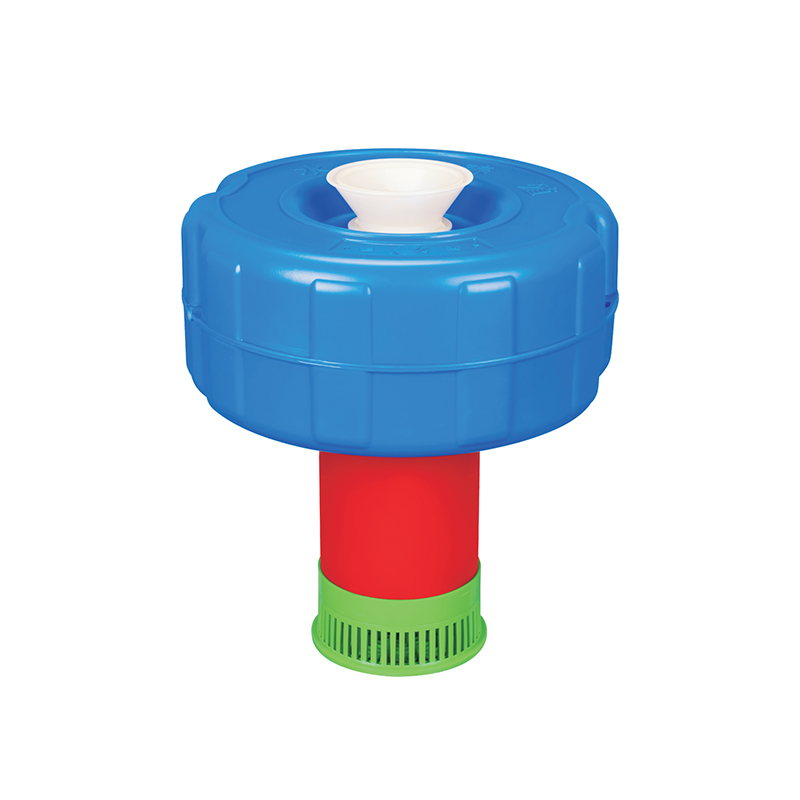
A key factor in aerator performance is oxygen supply capacity and energy use. Aerators are often rated by the amount of oxygen delivered per hour, typically expressed in kilograms per hour. For instance, a 2 kW aerator can provide around 15–20 kg of oxygen per hour in a pond containing 1,000 cubic meters of water, maintaining dissolved oxygen around 4–5 mg/L. Aerators equipped with variable-speed motors or controllers can adjust airflow based on pond conditions, helping to maintain oxygen levels while reducing energy consumption. Fine-bubble diffusers improve oxygen transfer by increasing the surface area in contact with water, which also allows for more uniform oxygen distribution with moderate energy input.
Different types of aerators are applied according to pond size and water depth. Side channel blowers produce moderate airflow that circulates oxygen near the pond surface, suitable for small to medium-sized ponds. Their pressure and flow characteristics make them appropriate for shallow water, although oxygen may be less evenly distributed in deeper areas. Vortex ring blowers, also known as ring-type aerators, create higher-pressure airflow and generate fine bubbles that rise slowly, promoting oxygen penetration into deeper layers. In ponds exceeding 2 meters in depth, combining surface agitation with deep-water aeration helps maintain more uniform oxygen throughout the water column.
The effect of aeration on aquatic survival is measurable through changes in dissolved oxygen levels and observable growth patterns. Maintaining oxygen concentrations around 4–5 mg/L provides conditions that support metabolic activity and reduce physiological stress in fish and shrimp. When oxygen levels fall below this range, particularly during warmer months when oxygen solubility naturally decreases, the risk of slower growth and mortality can increase. Consistent aeration helps mitigate these effects by replenishing oxygen and maintaining a stable environment, which is essential for maintaining regular feeding behavior and overall pond productivity.
In addition to oxygen supply, aeration enhances water circulation, which affects temperature and chemical distribution throughout the pond. By mixing surface and deeper layers, aerators reduce localized temperature differences and prevent the formation of low-oxygen zones where aquatic animals could experience stress. Operators note that ponds with consistent and well-distributed aeration tend to show more uniform growth rates, healthier behavior, and fewer stress-related conditions compared to ponds with uneven oxygen distribution. Effective aeration strategies, including careful placement of aerators and monitoring of dissolved oxygen, contribute directly to maintaining stable water conditions and supporting the overall survival and development of aquatic species.
Effective operation involves thoughtful placement and regular maintenance. Aerators are commonly positioned along pond edges or diagonally to promote uniform circulation. Routine inspection of impellers, motors, and seals helps sustain performance over time. In many modern systems, dissolved oxygen sensors are used to adjust aeration automatically, maintaining suitable oxygen levels while moderating energy use.
Frequently Asked Questions
What types of aerators are suitable for deeper ponds?
Vortex ring blowers provide airflow that supports oxygen distribution through the water column, making them suitable for ponds deeper than 2 meters.
How does aeration affect aquatic survival?
Maintaining stable oxygen levels helps reduce stress and supports more uniform growth in fish and shrimp populations.
Can energy use be moderated without affecting oxygen supply?
Yes, variable-speed and sensor-controlled aerators allow oxygen delivery to adjust according to pond conditions, supporting efficiency.
Aquaculture machine aerators provide controlled oxygen supply, supporting water quality and stable growth conditions in fish and shrimp farming while allowing careful management of energy use.