

 English
 中文简体
中文简体 عربى
عربىSewage water pumps are critical components in urban and industrial wastewater management systems. These pumps are designed to transport liquids containing solids, debris, and chemical contaminants from residential, commercial, and industrial sources to treatment facilities. Their ability to operate reliably under challenging conditions is essential for maintaining sanitation and supporting biological treatment processes. Choosing a pump with appropriate materials, design, and maintenance considerations is a key factor in long-term performance.
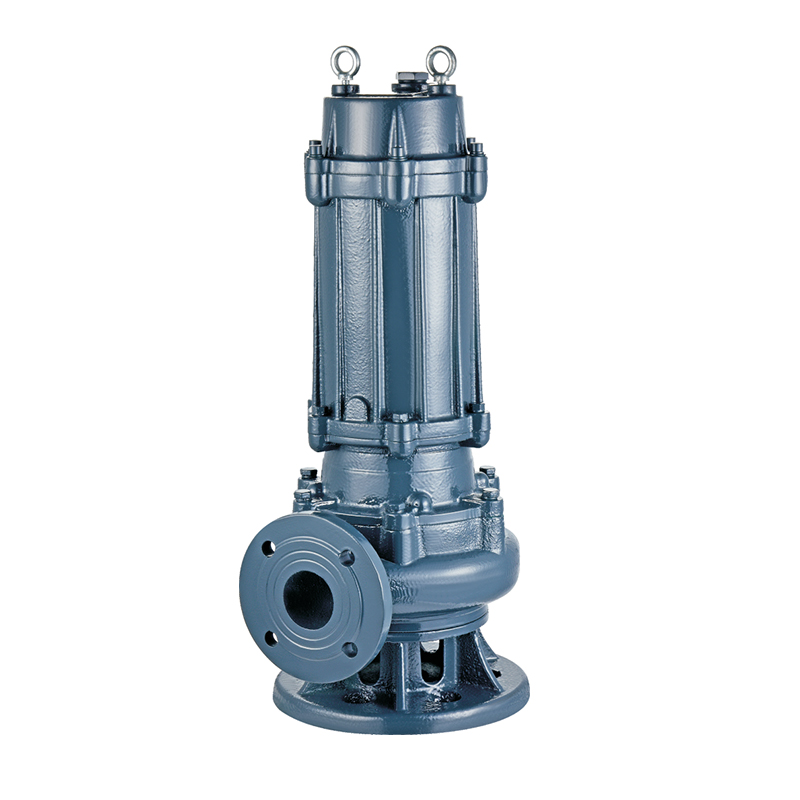
A primary concern in sewage pumping is corrosion resistance. Wastewater contains dissolved chemicals, organic acids, and suspended solids that can degrade conventional pump materials over time. Pumps constructed from stainless steel, cast iron with protective coatings, or specialized alloys are commonly used to withstand these conditions. The use of high-grade materials helps prevent premature wear and reduces the frequency of part replacement. In addition, protective coatings and sealing systems extend the operational life of pumps by limiting contact between corrosive liquids and sensitive components, ensuring stable performance in environments with variable chemical composition.
Equally important is the anti-clogging design. Sewage pumps are often equipped with vortex or channel impellers that allow large particles and fibrous materials to pass through without obstructing the pump. Some models include cutting mechanisms or grinder attachments to reduce the size of solids before they enter the impeller, the risk of blockages. Proper impeller selection based on the characteristics of the wastewater is critical for preventing operational interruptions. In municipal treatment plants, pumps are often evaluated based on their ability to handle high solid concentrations without reducing flow rates, which supports consistent treatment efficiency.
Maintenance and operational practices are integral to sustaining pump performance. Routine inspection of mechanical seals, bearings, and impellers allows operators to identify wear early and schedule preventive repairs. Cleaning the pump intake and removing accumulated debris reduces the likelihood of clogging and maintains hydraulic efficiency. Monitoring motor load, vibration, and flow rate can provide early warnings of potential issues, enabling timely adjustments before damage occurs. In many systems, periodic lubrication, alignment checks, and seal replacement are standard practices to ensure reliable operation over extended periods.
Proper installation also contributes to durability. Ensuring that pumps are positioned to prevent sediment accumulation and that inlet screens are in place can reduce wear on components and prevent blockages. For submersible pumps, careful handling during deployment and retrieval minimizes mechanical stress and potential seal damage. Operators report that adherence to these maintenance routines can prolong pump service life and reduce unplanned downtime in both industrial and municipal wastewater systems.
Frequently Asked Questions
What materials are typically used to resist corrosion in sewage pumps?
Stainless steel, cast iron with coatings, and specialized alloys are commonly employed to withstand chemical and organic contaminants.
How do sewage pumps prevent clogging?
Vortex and channel impellers, sometimes combined with grinders, allow solids to pass without obstructing flow.
What maintenance practices improve pump reliability?
Regular inspection of seals, bearings, and impellers, cleaning the intake, monitoring motor load and vibration, and performing preventive lubrication and alignment checks help maintain performance.
Sewage water pumps combine corrosion-resistant construction, anti-clogging design, and systematic maintenance practices to deliver reliable, efficient operation in demanding wastewater management systems.