

 English
 中文简体
中文简体 عربى
عربى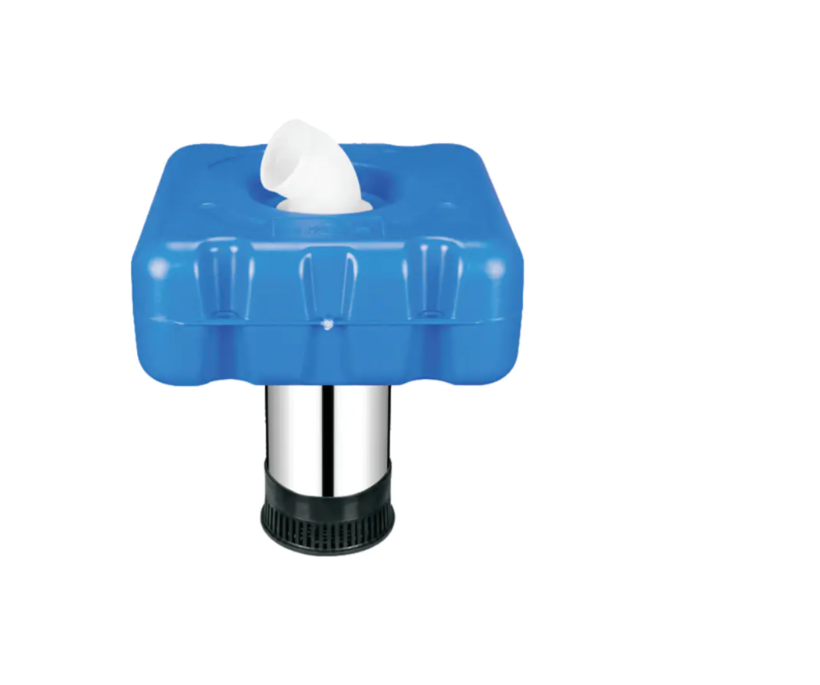
Why does pond condition matter when selecting an outdoor pond aerator ?
Outdoor ponds are rarely the same. Some are still and shaded. Some are wide open with constant sunlight. Others are used for fish farming, while some are designed for landscape decoration. Each environment develops its own water behavior.
That is where aeration becomes important. Water does not stay balanced on its own for long. Oxygen levels shift. Surface movement slows or becomes uneven. Organic buildup can form in hidden areas.
An outdoor pond aerator is often introduced to support movement and oxygen exchange. But the effect depends heavily on pond conditions. A system that works in one setting may feel less effective in another.
Selection is less about a universal solution and more about matching the device to the environment it will serve.
How do pond size and layout influence aerator selection?
Size is usually the first factor people notice, but layout is just as important. A long narrow pond behaves differently from a round or irregular one. Corners, depth changes, and shallow zones all affect water movement.
A small pond may only need gentle circulation. Too much movement can disturb balance rather than improve it. Larger ponds often require broader coverage so that stagnant zones do not form at the edges.
Layout also affects how air and water interact. Open spaces allow easier circulation. Complex shapes may trap still areas where oxygen exchange becomes slower.
A simple way to think about it is this:
- Compact ponds focus on gentle, controlled movement
- Wide ponds need broader distribution of airflow
- Irregular shapes benefit from multiple circulation points
Matching aeration to layout helps avoid uneven water conditions.
What role does water depth play in aeration needs?
Water depth directly alters the way water circulates within a pond. Shallow water bodies mix thoroughly with ease; wind and sunlight reach nearly every part of the water column. In deeper ponds, water separates into distinct layers—surface water shifts constantly, while water at the bottom stays still.
Oxygen struggles to sink down to deeper pond layers without outside help, creating a stark gap between surface and bottom water quality.
Outdoor pond aerators fix this gap by pushing vertical water circulation. They pull water up from the bottom and draw oxygen-rich surface water down to lower depths.
Shallow ponds call for a different aeration approach. Too much churning stirs up bottom sediment and creates excessive turbulence. For these areas, gentle, steady water flow works far better than powerful deep mixing.
Overall, pond depth dictates both how powerful aeration equipment needs to be and what kind of water circulation pattern works best.
How does fish density affect aerator choice?
When fish are present, oxygen demand increases. More living organisms mean more consumption of dissolved oxygen, especially during active feeding periods.
Low-density ponds often remain stable with mild aeration support. Water movement can be subtle, focused more on balance than intensity.
High-density environments are different. Oxygen demand rises quickly, and waste accumulation becomes more noticeable. In such cases, aeration is not only about movement but also about supporting biological balance.
A useful way to view it:
- Low fish presence → light circulation focus
- Medium fish presence → steady oxygen support
- High fish presence → continuous oxygen replenishment and water movement
The aerator must match the living load of the pond, not just its size.
How does water quality condition change aeration requirements?
Pond water conditions keep shifting all the time. Temperature, organic buildup, sunlight and seasonal weather all play a part. Even well-built ponds slowly lose balanced water quality over time.
When water sits stagnant for too long, some spots run low on oxygen much faster than others, leaving uneven water quality across the pond.
Outdoor pond aerators keep water flowing constantly, so no dead, still zones can form.
You'll need to tweak aeration based on how the water looks and behaves:
- Clean water with light natural flow only needs mild aeration support
- Murky, nutrient-heavy water needs stronger circulation to stay healthy
- Ponds with clear stagnant areas need aeration that covers more space
Aeration's main job isn't just fixing water issues once they appear. It focuses on keeping stable, balanced water conditions day in and day out.
What is the impact of climate and weather conditions?
Outdoor ponds are directly exposed to environmental changes. Sunlight, temperature shifts, and wind patterns all influence water behavior.
Warm conditions tend to reduce oxygen stability. Water holds less dissolved oxygen when temperatures rise, and biological activity increases at the same time. This creates higher demand at the same moment supply becomes less stable.
Cooler conditions slow down activity but may still cause uneven layering in deeper ponds.
Wind can help natural surface movement, but it does not always reach deeper zones.
Because of this, aeration needs often shift with the weather:
- Warm seasons → stronger oxygen support needed
- Cool seasons → balanced circulation focus
- Windy environments → surface and deep balance adjustment
Outdoor pond aerators act as a stabilizing factor when natural conditions fluctuate.
How does pond usage purpose influence selection?
Not all ponds serve the same function. Usage plays a major role in deciding how aeration should be applied.
A decorative pond focuses more on visual clarity and gentle movement. Excessive turbulence may reduce visual quality or disturb layout design.
A farming pond focuses more on biological balance. Oxygen supply and water circulation become central concerns.
A mixed-use pond may require a balance between both.
Different purposes can be summarized like this:
| Pond Type | Main Focus | Aeration Priority |
|---|---|---|
| Decorative pond | Visual clarity and calm water | Gentle circulation |
| Fish pond | Biological balance | Continuous oxygen support |
| Agricultural pond | Water stability | Broad circulation |
| Natural pond | Ecosystem balance | Adaptive movement |
Understanding purpose helps narrow down aeration style without overcomplicating selection.
How do installation conditions affect performance?
No matter which aerator you pick, its actual output will vary based on where you set it up. The way you install the unit directly impacts whether water flow can reach every corner of the pond evenly.
If you mount the aerator in shallow spots, it will churn the top layer well yet barely stir water at the bottom. Putting the device near the pond center spreads water flow more uniformly. Installing it along pond edges only boosts circulation in nearby areas, leaving distant parts still and low on oxygen.
Underwater barriers like water plants, stone piles or pond fixtures also mess with water currents. These objects can divert flowing water or slow its movement down a lot.
People choose proper installation spots by keeping these points in mind:
- Make sure water flow reaches all separate areas of the pond
- Pick positions free of anything that blocks circulation
- Allow the machine to move both surface and deep water
Setting up aerators is far more than a simple technical task. It counts as an important part of full pond water management planning.
What challenges appear when matching aerators to pond conditions?
Selection is not always straightforward. Conditions in outdoor ponds often overlap. A single pond may be shallow in some areas and deep in others. Fish density may change over time. Weather conditions are never fully stable.
This creates shifting requirements. An aerator that works well in one season may need adjustment in another. Similarly, changes in pond usage can influence performance expectations.
Another challenge is misalignment between size perception and actual water behavior. A pond may look small but still develop low circulation zones due to shape or layout.
These variations mean selection is rarely a one-time decision. It often involves observation and adjustment.
How does ongoing maintenance connect with aerator selection?
Choosing an outdoor pond aerator is only part of the process. Long-term performance depends on how the system is maintained and how pond conditions evolve.
Maintenance is closely tied to observation. Changes in water clarity, movement patterns, or fish behavior often indicate whether aeration levels remain suitable.
Small adjustments over time can help maintain balance:
- Repositioning for better coverage
- Adjusting circulation focus based on seasonal change
- Reviewing pond activity patterns regularly
Rather than fixed settings, pond systems often benefit from gradual adaptation.
Why is matching aeration to conditions more important than capacity alone?
It is easy to assume that stronger output means better performance. In outdoor pond systems, this is not always true. Excess movement can disturb sediment or create uneven flow patterns. Too little movement may leave stagnant zones untouched.
The goal is not intensity. The goal is alignment.
When aeration matches pond conditions, water movement feels natural. Oxygen distribution becomes steady. The environment stabilizes without forcing change.
That balance is what makes outdoor pond aeration effective in the long run.