

 English
 中文简体
中文简体 عربى
عربىAquaculture paddle wheel aerator are often running in the background of fish ponds and shrimp farms. They keep water moving and help maintain oxygen balance. In daily farming operations, they are usually expected to work for long hours with minimal interruption.
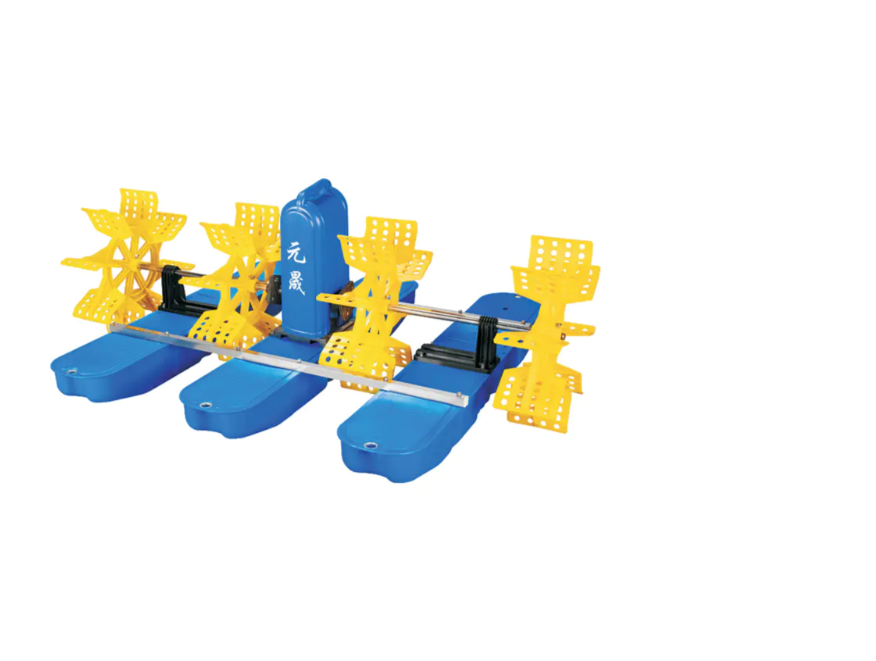
Because of this working pattern, maintenance is not something optional. It becomes part of normal farm management. When care is steady, the equipment tends to run more smoothly. When it is ignored, small issues can slowly build up and affect performance.
Maintenance does not need to feel complicated. It is more about rhythm, attention, and small routine actions.
Why Does Regular Maintenance Matter in Aquaculture Aeration Systems?
A paddle wheel aerator is constantly in contact with water, air, and movement resistance. This combination creates natural wear over time.
At the beginning, changes are not obvious. The machine still turns, water still moves, and everything looks normal from a distance.
Later, small signs begin to appear. Movement may feel less smooth. Noise may increase slightly. Water circulation may become less even in certain areas of the pond.
These changes often develop slowly, which makes them easy to overlook.
Regular maintenance helps reduce this gradual decline. It does not only fix problems. It helps slow down the appearance of those small changes in the first place.
What Should Be Checked on the Structure and Frame?
The frame of a paddle wheel aerator supports all movement during operation. It is exposed to continuous vibration and water influence.
Over time, bolts may loosen slightly. Connections may shift by a small amount. These changes are not always visible during normal operation.
A simple routine check helps keep the structure stable. Attention is usually given to:
- Frame alignment during operation
- Stability of connection points
- Signs of uneven movement
- Surface condition near contact areas
Even small adjustments can help maintain smoother operation. The goal is not frequent repair, but stable positioning.
How Does the Paddle Wheel Condition Affect Performance?
The paddle wheel is the part that directly interacts with water. It creates movement and helps distribute oxygen.
When it is clean and balanced, water flow tends to remain steady. When there is buildup or uneven wear, movement can feel slightly irregular.
Changes may appear slowly. One side may seem to push water differently. Rotation may feel less even than before.
Routine observation often focuses on:
- Surface buildup after long use
- Balance of movement during rotation
- Signs of uneven water splash
- Visual changes in paddle edges
Cleaning the paddle wheel regularly helps maintain consistent water movement. Even small residue can influence flow over time.
What Role Does Motor Care Play in Long-Term Operation?
The motor is the driving force of the system. It supports continuous operation in changing outdoor conditions.
Unlike visible parts, the motor requires more attention to internal stability. It is often affected by heat, moisture, and long working hours.
In daily maintenance, attention is usually placed on:
- Smooth starting behavior
- Stable running sound
- Heat condition during operation
- Cable and connection safety
Small changes in sound or vibration can be early signals. These signals do not always mean failure, but they suggest that closer attention may be needed.
Keeping the motor area clean and dry also helps reduce unnecessary stress.
How Does Water Environment Influence Maintenance Needs?
Fish and shrimp ponds never stay in a fixed state. Water quality constantly changes due to weather changes, regular feeding routines and daily pond activity. These subtle environmental shifts can greatly affect the working condition of aeration equipment.
Water filled with suspended impurities will easily leave dirt and deposits on the surface of aerators. Frequent fluctuations in water conditions also create unbalanced operating loads on the machine during operation.
If these issues are left unaddressed over time, the aerator will not run as stably as it should, affecting its overall working efficiency.
For this reason, daily maintenance is not just about simply checking and repairing the machine itself. It also requires farmers to keep track of real-time water conditions in the pond.
There are several easy-to-observe signs to guide maintenance work:
- Changes in how clear the water is around the aerator
- Floating debris and residue gathered around rotating parts
- Irregular changes in water flow and stirring effects
- Differences in the range of water circulation across the entire pond
By observing these practical changes, staff can arrange equipment maintenance at the right time and keep the aerator running reliably all the time.
What Cleaning Routine Works Best in Daily Use?
Cleaning is often the most direct form of maintenance, but it does not need to be complicated.
In many farms, cleaning is done as part of regular pond management rather than a separate task.
Focus areas usually include:
- Paddle wheel surfaces
- Frame contact points
- Areas near water splash zones
- External surfaces exposed to moisture
Cleaning is not only about appearance. It helps reduce resistance during movement. Even thin layers of residue can slowly affect efficiency.
The frequency of cleaning depends on usage conditions. More active ponds may require closer attention.
How Can Vibration and Noise Be Used as Maintenance Signals?
In practical operation, sound and vibration often provide early clues about equipment condition.
A paddle wheel aerator usually produces a consistent operating sound. When this sound changes, it is often worth noticing.
Subtle signs may include:
- Slight increase in noise level
- Irregular vibration during rotation
- Uneven sound rhythm during operation
These changes do not always point to serious problems. Sometimes they come from small adjustments needed in alignment or surface condition.
Listening and observing become part of maintenance awareness. It is a simple but useful habit.
What Maintenance Is Needed for Bearings and Moving Points?
Moving points in the system experience repeated motion every day. Over time, this can create gradual wear.
These areas usually benefit from periodic attention. The goal is to keep movement smooth and stable.
Common observations include:
- Smoothness of rotation
- Presence of resistance during movement
- Signs of dryness or friction
- Stability during continuous operation
Care in this area is often subtle. Small improvements can make a noticeable difference in long-term performance.
How Does Seasonal Change Affect Maintenance Frequency?
Aquaculture systems often operate across changing weather conditions. Temperature, rainfall, and humidity can all influence equipment behavior.
During warmer periods, continuous operation may increase. During wetter periods, exposure to moisture becomes more intense.
These shifts do not require completely different maintenance systems, but they may influence timing.
Some farms adjust attention levels depending on seasonal workload. Maintenance becomes more flexible rather than fixed.
Simple Overview of Maintenance Focus Areas
| Maintenance Area | What to Observe | Practical Purpose |
|---|---|---|
| Frame structure | Stability and alignment | Keep system balanced |
| Paddle wheel | Cleanliness and movement | Maintain water flow |
| Motor condition | Sound and heat behavior | Support stable operation |
| Water impact | Residue and flow changes | Understand working environment |
| Moving parts | Smooth rotation | Reduce resistance |
This table reflects daily observation rather than technical inspection.
Why Does Preventive Attention Matter More Than Repairs?
In long-term operation, many issues do not appear suddenly. They build up slowly through repeated use and environmental influence.
When small signs are noticed early, adjustments are usually simple. When ignored, they may become more noticeable later.
Preventive attention is less about strict schedules and more about awareness during operation.
It fits naturally into daily farm routines. Operators often notice changes while simply observing pond conditions.
How Does Maintenance Affect Overall Aquaculture Performance?
A well-maintained paddle wheel aerator supports more stable water movement. This helps create a more balanced environment inside the pond.
When water circulation remains steady, oxygen distribution becomes more consistent. Fish or shrimp tend to experience a more uniform environment.
Maintenance does not change farming results directly. It supports the conditions that allow the system to function smoothly.
Over time, this stability becomes part of overall farm management practice.