

 English
 中文简体
中文简体 عربى
عربىWhy does pump selection shape overall system performance?
Walk into any wastewater facility or building basement and you will hear a steady rhythm. Pumps start, stop, and move liquid through hidden paths. The system looks simple from the outside. In practice, its efficiency depends on many small decisions. One of the most important is the type of sewage pump in use.
Each pump handles flow in its own way. Some move liquid with suspended solids without hesitation. Others focus on controlled discharge. When the chosen type matches the conditions, the system runs with fewer interruptions. When it does not, the same system may struggle, even if all other parts are in place.
Efficiency in this context is not only about speed. It reflects how smoothly the system runs, how often it needs attention, and how predictable the output remains over time. A suitable pump type can help maintain that balance. A mismatch can introduce delays, noise, and uneven flow.
What are the different types of sewage pumps in use?
Different environments require different approaches. Sewage pumps are often grouped by how they handle solids, their position in the system, and their method of moving liquid.
Here is a simple overview:
| Pump Type | General Role | Typical Setting |
|---|---|---|
| Submersible pumps | Operate while fully immersed | Basements, underground tanks |
| Grinder pumps | Break down solids before discharge | Residential and small systems |
| Ejector pumps | Lift wastewater to higher levels | Building drainage systems |
| Effluent pumps | Handle partially treated liquid | Septic systems |
Each type brings a different rhythm to the system. The choice affects not only movement of wastewater but also how the entire setup behaves during daily operation.
How do submersible pumps influence system flow?
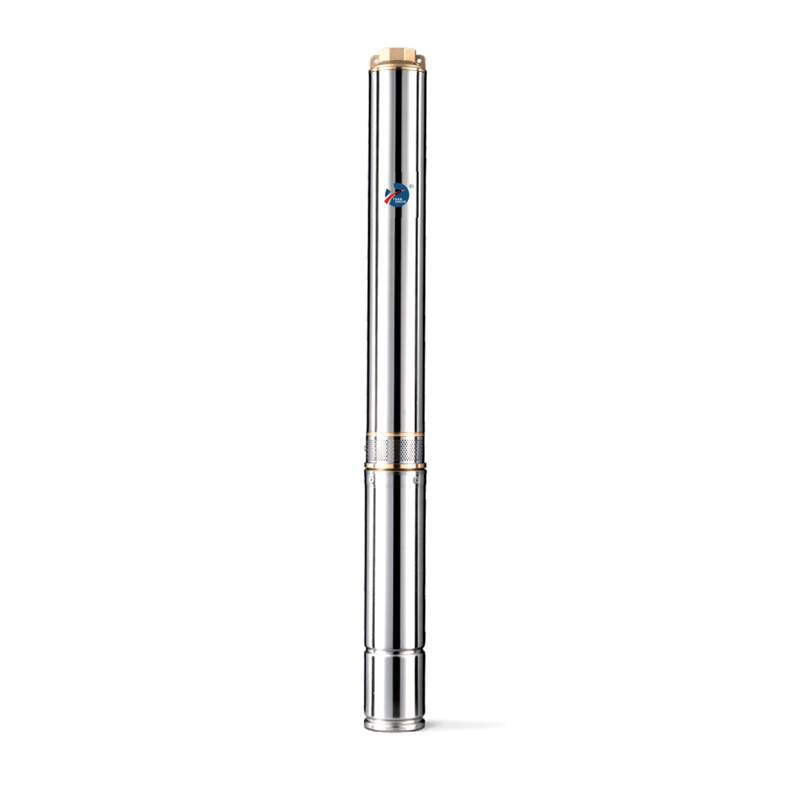
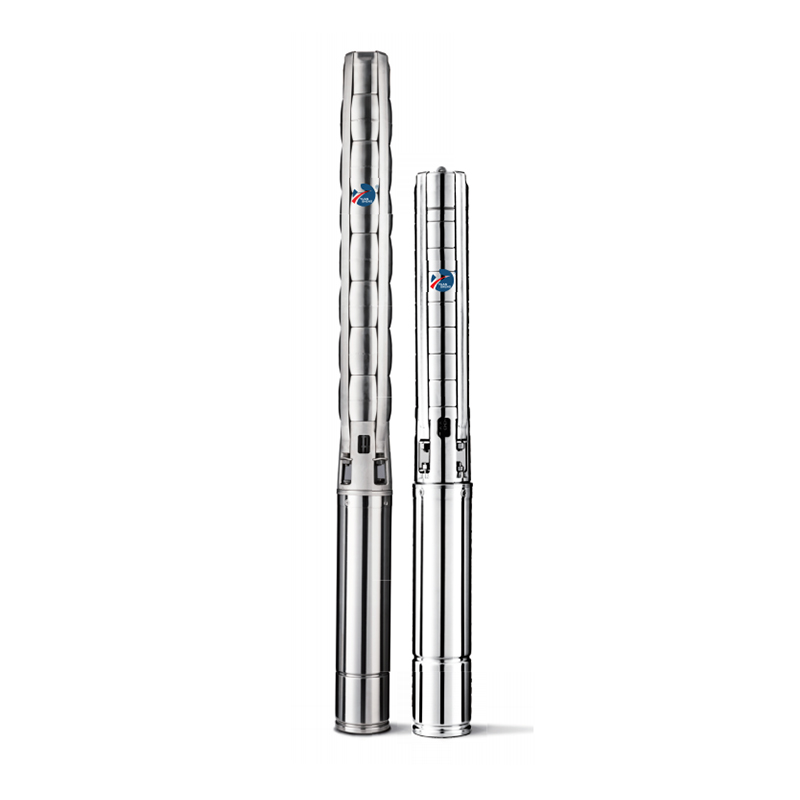
Submersible pumps sit directly in the liquid they move. This position reduces the need for complex connections. The pump works quietly below the surface, which helps maintain a steady flow.
Because the pump is already surrounded by wastewater, it can begin operation without delay. This can support a consistent cycle, especially in systems that handle continuous input. Less time is spent preparing the pump to start. That alone can reduce small pauses that build up over time.
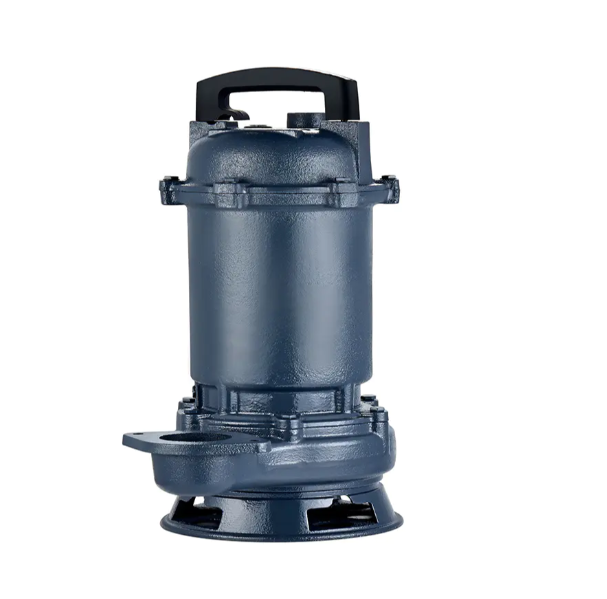
Another aspect is space. Submersible designs fit into compact areas. This can simplify system layout. When layout is simple, flow paths tend to be more direct. Fewer turns and obstacles often mean smoother movement.
There are also considerations. Maintenance may require lifting the unit from its position. This process can interrupt operation. In systems where access is limited, planning becomes important.
Do grinder pumps improve efficiency by reducing blockages?
Grinder pumps approach the problem from a different angle. Instead of allowing solids to pass through as they are, these pumps break them down into smaller pieces. This changes how wastewater travels through pipes.
In systems where solid waste varies in size, blockages can slow everything down. A single obstruction may cause backflow or force the pump to work harder. Grinder pumps aim to reduce that risk by creating a more uniform flow.
This can influence efficiency in several ways:
- Fewer interruptions caused by clogs
- More predictable movement through narrow pipes
- Reduced need for frequent clearing
At the same time, the grinding process adds another step to operation. This step requires energy and introduces a different kind of wear. The system may run smoothly, yet it depends on consistent performance of the grinding mechanism.
In areas where waste composition is less predictable, this type of pump can help maintain flow stability. In cleaner systems, the added function may not always be necessary.
How do ejector pumps affect vertical transport?
Not all wastewater just flows horizontally, though. In a lot of buildings, it actually has to travel upward first before it can even join the main drainage line. That's where ejector pumps come into the picture — they're the ones handling that vertical movement.
Lifting liquid changes things quite a bit when it comes to efficiency. Gravity isn't doing any of the work anymore at that point. The pump has to generate enough force on its own to push wastewater up to a higher level. When the pump type actually matches up with that requirement, the system can keep a steady discharge going.
Ejector pumps usually sit in pits set below the main line. Once wastewater builds up to a certain level, the pump kicks in and pushes it upward. That whole cycle just keeps repeating throughout the day.
Efficiency here really comes down to timing and consistency. If the pump's activating too often, it's going to wear out faster than it should. If it's activating too late, though, you're risking overflow. How the pump's actually designed plays a big role in keeping that balance in check.
The relationship between the pump and the storage space matters too. When those two are well matched, the system can run without sudden surges throwing things off. That ends up making the whole process a lot smoother overall.
What role do effluent pumps play in system balance?
Effluent pumps handle wastewater that's already gone through some kind of separation process. Since the liquid's got fewer solids in it by that point, it changes how the pump ends up interacting with it.
Because the fluid's more uniform at this stage, the pump can focus more on just keeping movement steady rather than dealing with big chunks of debris. That usually means calmer operation overall. Flow tends to stay pretty even, and the system often needs fewer adjustments along the way.
In systems running multiple stages, effluent pumps end up acting almost like a bridge. They connect one phase of treatment to the next. Nothing too dramatic about their role, but honestly it's essential for keeping the whole process moving without a break.
Any disruption at this stage can actually ripple through everything downstream. If the pump can't hold a stable flow, later stages end up getting inconsistent input to work with. And that can drag down overall system efficiency — even when everything earlier in the process was running just fine.
How does pump choice affect energy use and daily operation?
Energy use is closely tied to how a pump interacts with its environment. A pump that works against unnecessary resistance will draw more power. A pump that matches the system's needs can operate with less strain.
Different pump types handle resistance in different ways. A grinder pump may use more energy during operation but reduce the effort needed to clear blockages. A submersible pump may run quietly with steady demand, avoiding sudden spikes.
Daily operation also reflects these differences. Consider the following comparison:
| Factor | Influence on Efficiency |
|---|---|
| Start and stop cycles | Frequent cycles may increase wear |
| Flow consistency | Stable flow supports smooth output |
| Handling of solids | Affects risk of interruption |
| Maintenance access | Impacts downtime and labor effort |
These factors interact with each other. A system with stable flow and fewer interruptions tends to use energy more evenly. A system with frequent disruptions may consume more resources over time.
Can the wrong pump type create hidden inefficiencies?
Not every inefficiency shows up right away, though. Some of them actually develop pretty slowly over time. A pump can seem like it's functioning just fine on the surface, while still quietly creating small issues that keep adding up.
Take a pump that's not really designed for certain types of waste, for example — it might let partial blockages start forming. Those don't stop the system dead in its tracks or anything. Instead, they just gradually reduce flow bit by bit. Workers might start noticing slower drainage, or maybe the occasional backup here and there.
Mismatched capacity is another situation worth watching for. A pump that's moving too fast can end up causing turbulence. One that's too slow, on the other hand, might let solids settle out. Either way, both of those scenarios end up affecting how the whole system actually behaves.
Hidden inefficiencies tend to show up as patterns more than anything obvious:
- Needing minor adjustments over and over again
- Flow that's uneven depending on the time of day
- Maintenance teams having to pay closer attention than usual
When patterns like these start showing up, it's usually a sign that the pump type just isn't lining up well with the system's actual conditions. And honestly, sometimes just swapping the pump type is enough to restore that balance — without having to overhaul the rest of the setup at all.
How are system designers responding to changing demands?
As buildings grow more complex and usage patterns shift, designers are paying closer attention to how each component affects efficiency. Sewage pumps are no longer treated as simple add-ons. They are part of a broader strategy.
Designers consider how wastewater enters the system, how it moves, and how it leaves. They look at the type of waste, the layout of the building, and the expected variation in flow. Based on these factors, they select pump types that support a steady process.
There is also a growing awareness of long-term operation. Instead of focusing only on installation, attention extends to how the system will behave over time. This includes ease of maintenance, consistency of performance, and adaptability to changing conditions.
In some cases, systems combine different pump types. Each type handles a specific stage. This layered approach can help manage complex flows without overloading a single component.
The result is not a single solution but a set of choices that work together. Within that framework, the type of sewage pump remains a key factor in shaping how efficiently the system performs day after day.