

 English
 中文简体
中文简体 عربى
عربىAquaculture really comes down to a lot of moving pieces working together at once. Water quality, how fish are fed, stocking density, the overall balance of the environment—all of it shapes the actual condition of a pond day to day. Among those factors, oxygen tends to stand out as one farmers can't really afford to overlook.
That's largely where fish pond paddle wheel aerators come in. They're a familiar sight across aquaculture setups, doing the job of keeping water moving, improving circulation, and stirring up the surface in ways that generally leave the pond healthier overall.
The design itself looks pretty straightforward at first glance, but what it actually does for a fish farm runs deeper than the simple structure suggests. Whether it's a small backyard-style pond or a much larger aquaculture operation, this kind of equipment has become something farmers genuinely rely on when they want more say over how their water conditions hold up.
Getting a handle on how a paddle wheel aerator actually works, why farmers reach for it in the first place, and what factors shape how well it performs can go a long way toward helping people make smarter calls about their setup.
What Is a Fish Pond Paddle Wheel Aerator ?
A fish pond paddle wheel aerator is a mechanical device designed to increase water movement in aquaculture ponds. It usually includes rotating paddles that move across the water surface.
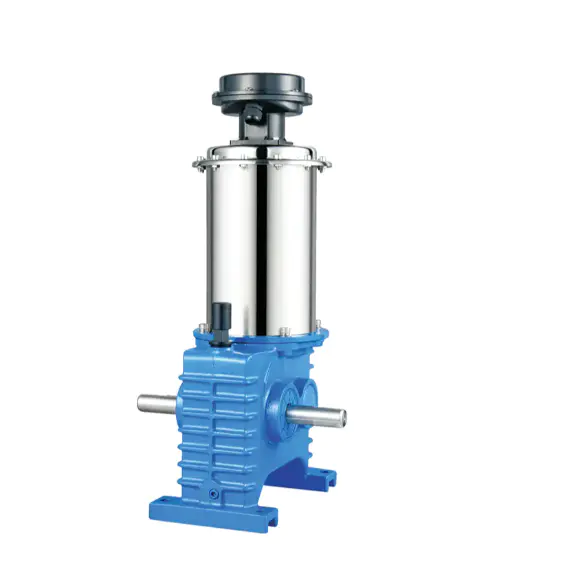
As the paddles rotate, they create waves and splashing effects. This movement allows more contact between water and air, which helps improve oxygen exchange.
The equipment is commonly used in:
- Fish farming ponds
- Shrimp farming areas
- Commercial aquaculture systems
- Outdoor water management environments
Unlike natural water movement caused by wind or rainfall, a paddle wheel aerator provides a more consistent way to circulate pond water.
The basic purpose is not only adding oxygen. Water movement also helps reduce stagnant areas where water quality may become uneven.
Why Is Oxygen Important in Fish Pond Management?
Fish and other aquatic organisms depend on oxygen in water to survive. When oxygen levels become unstable, the pond environment can become challenging for farming activities.
Several conditions can influence oxygen availability:
- Weather changes
- Water temperature changes
- Organic material accumulation
- High biological activity
- Limited natural circulation
A pond may appear calm on the surface while different areas below have different conditions. Some parts may receive enough oxygen, while others may experience weaker circulation.
This is where aeration equipment becomes useful. By moving water regularly, a paddle wheel aerator helps create a more balanced environment throughout the pond.
For farmers, maintaining suitable water conditions is not only about protecting fish health. It also supports more stable pond management.
How Does a Paddle Wheel Aerator Work?
The working principle of a paddle wheel aerator is based on mechanical water movement.
When the motor operates, it turns the paddle wheels. The rotating paddles push water outward and create surface disturbance.
This process creates several effects:
Water Surface Movement
The paddles break the calm surface layer. More water comes into contact with air, which supports oxygen transfer.
Pond Circulation
The movement pushes water across the pond area. This helps reduce areas where water remains still.
Improved Water Distribution
Circulation allows different parts of the pond to exchange water more effectively.
The process is relatively simple, but the result can influence the overall pond environment.
| Working Action | Effect on Pond |
|---|---|
| Paddle rotation | Creates water movement |
| Surface agitation | Supports air and water contact |
| Continuous circulation | Helps reduce stagnant areas |
| Water mixing | Encourages more balanced conditions |
The exact effect depends on pond conditions, equipment placement, and farming practices.
What Are the Main Parts of a Fish Pond Paddle Wheel Aerator?
Designs can vary quite a bit from one manufacturer to the next, but most paddle wheel aerators still come down to the same handful of basic components working together.
Motor System
The motor's really the heart of the whole setup—it's what actually supplies the energy that gets the paddle wheel turning in the first place. When that motor runs steadily, the rest of the equipment tends to follow suit and keep operating without a lot of drama.
Paddle Wheel
This is the piece that's actually doing the work in the water. As it spins, it's creating the surface disturbance that drives the whole aeration process, so its condition has a direct effect on how well the equipment performs overall.
Floating Structure
Most pond aerators sit on some kind of floating support, which is what keeps the whole unit positioned properly on the water instead of drifting off or tipping over.
Frame and Connection Parts
The frame ties everything together, holding the different components in place and giving the aerator the structural stability it needs to keep running steadily while it's out there working.
Each of these parts carries its own weight in how the equipment ends up performing day to day. When the structure behind them is solid, the aerator's a lot more likely to hold up well out in the kind of unpredictable conditions outdoor pond setups usually throw at it.
Why Are Paddle Wheel Aerators Popular in Aquaculture?
Aquaculture farms face changing environmental conditions every day. Natural oxygen levels may not always remain stable, especially when ponds contain many aquatic organisms.
Paddle wheel aerators are popular because they offer several practical benefits.
Supporting Water Movement
Still water can create uneven conditions. Regular movement helps distribute water throughout the pond.
Helping Manage Pond Conditions
A more active water environment can make daily pond management easier.
Suitable for Different Farming Applications
Paddle wheel aerators can be used in different types of aquaculture operations, depending on pond size and farming methods.
Easy Operation
The basic operating concept is straightforward. Farmers can integrate the equipment into existing pond management routines.
The popularity of this equipment comes from its practical role rather than complicated operation.
Are Paddle Wheel Aerators Suitable for Different Fish Farming Systems?
Different aquaculture systems have different requirements. A paddle wheel aerator may be suitable for many situations, but farmers still need to consider their specific environment.
For example, pond depth, water movement needs, stocking conditions, and farming goals can influence equipment selection.
Common applications include:
| Application Area | Possible Use |
|---|---|
| Fish ponds | Supporting water circulation |
| Shrimp ponds | Helping maintain pond conditions |
| Outdoor aquaculture | Improving water movement |
| Commercial farming areas | Supporting daily operations |
The same type of equipment may perform differently in different environments. Proper planning before installation can improve the overall result.
What Factors Should Farmers Consider Before Choosing a Paddle Wheel Aerator?
Selecting a fish pond paddle wheel aerator requires more than looking at the product appearance. Several practical factors should be considered.
Pond Conditions
Every pond has different characteristics. Water area, layout, and farming methods can affect equipment requirements.
Operating Environment
Outdoor equipment faces weather changes, moisture, and continuous exposure to the surrounding environment.
Maintenance Needs
Easy inspection and maintenance can reduce future management difficulties.
Equipment Quality
The structure, materials, and production process influence long-term use.
A simple selection process can help farmers avoid choosing equipment that does not match their actual needs.
How Can Proper Placement Improve Aerator Performance?
The position of a paddle wheel aerator inside a pond can influence water movement.
If the equipment is placed without considering pond layout, some areas may receive less circulation.
Farmers often consider:
- Water flow direction
- Pond shape
- Areas with weaker movement
- Daily operating conditions
Good placement helps create more balanced circulation.
The goal is not simply moving water at one point. It is creating a better overall pond environment.
How Should a Fish Pond Paddle Wheel Aerator Be Maintained?
Like most equipment that sits out on a farm day after day, a paddle wheel aerator holds up a lot better when it gets regular attention instead of being left to run on its own indefinitely.
That kind of routine doesn't need to be complicated. It usually comes down to a handful of basics—keeping an eye on the moving parts to make sure nothing's grinding or sticking, wiping down surface materials before buildup gets out of hand, checking connection points to catch anything that's started to loosen, and just generally noticing when something sounds or looks off compared to normal.
Being outdoor equipment, it's constantly dealing with weather swings, sitting in water for extended stretches, and running for long hours without much of a break. Under those conditions, small issues have a habit of not staying small. Something minor that gets ignored for a few weeks can quietly turn into a much bigger repair down the line.
A straightforward maintenance routine really just gives farmers a way to catch those changes while they're still minor, rather than discovering them once the equipment's already struggling to keep up.
How Are Paddle Wheel Aerators Developing With Modern Aquaculture?
Aquaculture continues to change as farmers look for more efficient management methods. Equipment suppliers are focusing on products that support easier operation and better adaptability.
Modern paddle wheel aerators are being developed with attention to:
- User-friendly operation
- Improved durability
- Easier maintenance
- Different farming environments
The future development of aquaculture equipment is closely connected with practical farming needs. Farmers are looking for solutions that fit real working conditions rather than adding unnecessary complexity.
A fish pond paddle wheel aerator remains an important tool in many aquaculture systems because it addresses a basic challenge: maintaining better water movement in an environment where natural conditions may not always provide enough support.