

 English
 中文简体
中文简体 عربى
عربىWastewater doesn't always cooperate with gravity. In plenty of homes — especially ones with basements or additions built below the main sewer line — a sewage pump system does the heavy lifting of moving waste up and out to where it can actually drain properly. These pumps tend to run quietly in the background for years, which is exactly why most homeowners never think about them until, suddenly, they have to.
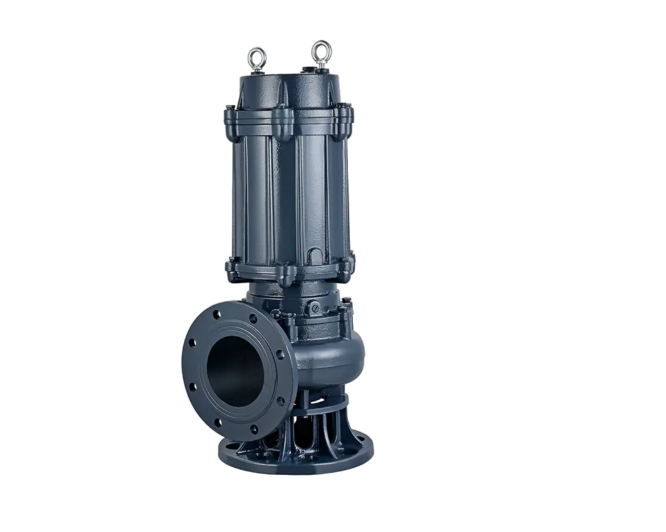
As more houses get built with finished basements and extended living space below grade, more households end up depending on one of these systems whether they realize it or not. That growing reliance brings up a genuinely practical question: how do you actually know when it's time to replace one?
Why Do Home Sewage Pump Systems Matter in Daily Life?
A sewage pump system exists to move wastewater from a lower level up to the main line, stepping in exactly where gravity alone can't finish the job. It keeps drainage flowing smoothly from bathrooms, kitchens, and laundry rooms sitting below the sewer connection.
Without one, wastewater has nowhere to go — it just sits there, or worse, backs up into the living space. That's not just inconvenient, it's a genuine hygiene problem waiting to happen. Because these systems run automatically, most people never register their importance until something breaks down and the reality of "oh, that's what this thing does" hits all at once.
The system's role shows up most clearly during heavy water use — laundry day, a house full of guests, that kind of thing. It's in exactly those moments that a healthy pump keeps everything moving without a hitch.
What Are the Early Signs That a System May Need Replacement?
Every mechanical system wears down eventually, and a sewage pump is no exception. Catching the early warning signs can save you from a much messier surprise down the road.
Watch for:
Unusual noises during operation
- Slower drainage from fixtures
- Frequent cycling on and off
- Occasional unpleasant odors near drains
- Visible wear on external components
None of these automatically means "replace it today." What they do mean is that the system is under some kind of strain, or edging closer to the end of its working life.
Sometimes a repair buys you real time. But when the same problems keep coming back, that's usually a sign repairs alone won't fix what's actually going on underneath.
How Does Usage Affect Replacement Timing?
Not every household leans on its sewage pump the same way, and that difference in usage really does shape how long a system holds up.
A home with multiple bathrooms, constant laundry loads, or a big family running through water fixtures all day is going to put real wear on the pump. Compare that to a pump serving a basement bathroom that barely gets used — that system is going to age at a completely different pace.
| Usage Pattern | Impact on System Wear | Replacement Consideration |
|---|---|---|
| High daily usage | Faster wear over time | Monitor closely for changes |
| Moderate usage | Balanced wear | Periodic inspection recommended |
| Occasional usage | Slower wear | Longer intervals between checks |
Knowing where your household actually falls on that spectrum makes it a lot easier to plan ahead instead of getting blindsided by a sudden failure.
Can Aging Alone Be a Reason for Replacement?
Time does its own quiet damage, even without heavy use. Materials wear down, internal parts lose efficiency, and none of it necessarily announces itself loudly.
An aging system might still technically work, just with less reliability than it used to have. Small issues start popping up more often. Repairs start feeling like a pattern instead of a one-off.
At that point, replacing the system becomes a genuinely practical move rather than something reactive. A lot of homeowners choose to swap out an aging pump before it fails completely, simply to keep performance consistent rather than gambling on borrowed time.
That approach cuts down real risk, especially in homes where drainage genuinely can't afford to stop working, even briefly.
What Happens When Maintenance Is Delayed?
Regular upkeep is what keeps small problems small. Skip it long enough, and those small issues have a way of snowballing into something bigger.
Neglecting a sewage pump system tends to lead to:
- Debris building up inside the unit
- Reduced pumping efficiency
- Extra strain on moving parts
- A higher chance of sudden, inconvenient malfunction
Left unchecked long enough, that neglect shortens the system's usable life outright — meaning replacement can end up happening well ahead of schedule.
Routine attention won't stop wear entirely, of course. But it slows things down considerably, and it gives you much clearer signals about when replacement genuinely needs to happen.
How Do Environmental Conditions Influence System Lifespan?
The space surrounding a sewage pump matters more than most people assume. Moisture levels, temperature swings, and the materials nearby all play into how long the system actually lasts.
A pump tucked into a damp, cramped space tends to wear faster on certain components than one installed somewhere drier and better ventilated. Temperature swings matter too — materials expand and contract over time, and that repeated stress adds up.
None of this is obvious at first glance. But it quietly shapes performance over months and years, which means two houses in different climates or setups can see very different replacement timelines even with similar usage.
Is Frequent Repair a Sign That Replacement Is Near?
Repairs are just part of owning a mechanical system — that's normal, expected, nothing alarming on its own. But there's a tipping point where repairing stops making sense.
If your Sewage Water Pump Factory keeps needing attention over and over in a short stretch of time, that's usually the system telling you it's nearing the end of its service life.
At that point, homeowners are really choosing between two paths:
- Keep patching individual problems as they come up
- Replace the system outright and get consistent performance back
Repairs feel cheaper in the moment, sure. But when problems keep recurring, they start disrupting daily life in ways that add up. Replacement, at that stage, tends to be the more stable long-term call.
How Can Homeowners Decide the Right Time to Replace?
The right call rarely comes down to one dramatic sign. It's more about noticing a pattern building over time.
Worth tracking:
- Consistent shifts in how the system performs
- Minor issues showing up more and more often
- Visible aging in components
- Changes in how the household actually uses water
Paying attention to these threads lets you plan the replacement on your own terms, rather than scrambling after something fails unexpectedly.
Most of the time, replacing a pump isn't about urgency at all — it's about protecting comfort and avoiding disruption before it happens. A well-timed swap keeps the system doing its job quietly, exactly the way it's supposed to.
What Should Be Considered Before Replacing a System?
Before you actually swap anything out, it's worth thinking through what your household specifically needs. Not every pump system fits every home the same way.
Worth weighing:
- The layout of the home
- How many fixtures connect to the system
- How often water actually gets used
- Where the pump is physically installed
Getting these right helps make sure the replacement actually matches how your home functions day to day, rather than just installing whatever's convenient. It's also a chance to plan a bit for the future — not just replace what broke, but set things up better than before.
How Does Replacement Support Long-Term Household Function?
Replacing a sewage pump at the right moment keeps drainage steady and cuts down considerably on the odds of an unexpected interruption catching you off guard.
It lets the household keep running its normal routines without worrying about some hidden problem quietly building in the background. That continuity matters even more in homes where the lower level sees real daily use — a finished basement, an in-law suite, that kind of space.
The pump itself might stay out of sight most of the time. But its job never really stops mattering, and knowing when to replace it is really what keeps that job reliable, invisible, and exactly as unremarkable as it should be.