

 English
 中文简体
中文简体 عربى
عربىWater quality has genuinely become a real concern across residential, commercial, and industrial settings alike. As wastewater management demands keep growing, equipment that supports cleaner water circulation is drawing a lot more attention. Aerator sewage pumps have emerged as a genuinely practical solution here, helping move wastewater along while supporting oxygen distribution at the same time.
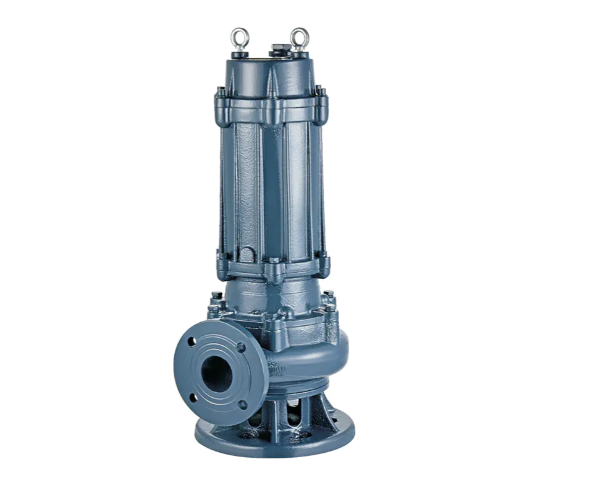
These pumps typically show up wherever wastewater needs better circulation and a more balanced water condition. By keeping water moving and encouraging genuine oxygen contact, they help build conditions that are a lot more suitable for natural treatment processes to actually work.
What pumps do goes beyond just moving wastewater around, too. They genuinely support better water environment management overall. From wastewater facilities to ponds and treatment areas, these systems offer a genuinely useful way to keep surroundings cleaner.
What Role Do Aerator Sewage Pumps Play in Water Environment Management?
Wastewater genuinely gets hard to manage once water movement slows down. Poor circulation can lead to unwanted buildup and drag down the overall condition of the water. Pumps tackle this by keeping continuous movement going throughout the water system.
The equipment combines pumping and aeration in one unit. It transports wastewater while also encouraging real contact between water and oxygen — and that combination genuinely supports a healthier environment where natural microorganisms can do their job a lot more effectively.
Oxygen availability genuinely matters a lot across most water management applications. Enough oxygen supports the biological activity that drives wastewater treatment forward. Pumps offer a way to boost oxygen distribution without leaning solely on natural water movement to get it done.
| Application Area | How Aerator Sewage Pumps Support Water Conditions |
|---|---|
| Wastewater treatment areas | Help improve water circulation and oxygen supply |
| Ponds and water features | Support fresher water conditions |
| Industrial wastewater systems | Assist with wastewater movement and management |
| Agricultural water environments | Help maintain better water quality conditions |
The growing push toward environmental protection has gotten more people thinking about equipment that supports genuinely sustainable water management. Pumps fit right into that trend by helping build a more balanced water environment overall.
How Do Aerator Sewage Pumps Improve Water Circulation?
Water circulation genuinely plays a big role in keeping an environment clean. When wastewater sits still for too long, all sorts of problems can crop up — sediment builds up, water quality gets a lot harder to keep in check.
Pumps keep the water genuinely moving. That circulation lets different areas of the system get more consistent oxygen exposure, which cuts down on stagnant pockets and keeps things a lot more stable overall.
Better movement also spreads materials a lot more evenly through the water. Instead of letting certain spots get overloaded, circulation genuinely balances things out.
For anyone managing wastewater day to day, better circulation genuinely makes maintenance easier. A well-managed system runs into a lot fewer problems caused by uneven flow or limited oxygen contact.
The upsides of improved circulation:
- Supporting a more balanced water environment
- Reducing areas with limited movement
- Helping wastewater treatment processes run more smoothly
- Creating better conditions for natural biological activity
Pumps are really built around one core idea — water quality depends on a lot more than just removing waste. How water moves and what condition it's in genuinely shapes the whole treatment process too.
Why Is Oxygen Distribution Important for Cleaner Water?
Oxygen genuinely drives a lot of water treatment processes. In wastewater environments specifically, it supports the microorganisms that naturally break down organic material.
When oxygen runs low, wastewater tends to develop unpleasant conditions fast. Water gets a lot less stable, and management gets genuinely harder. Pumps help introduce oxygen and spread it evenly throughout the water.
The aeration process creates genuinely better contact between air and water, letting oxygen actually reach deeper into the system instead of just sitting near the surface.
A properly balanced oxygen environment can support:
- Healthier microbial activity
- Improved wastewater conditions
- Reduced odor concerns
- Better overall water management
A lot of modern water treatment approaches focus on letting natural processes work alongside equipment support rather than against it. Pumps genuinely help here by boosting both oxygen availability and water movement together.
How Can Aerator Sewage Pumps Support Different Wastewater Applications?
Different industries and facilities genuinely have different wastewater management needs. A small water environment might just need simple circulation support, while larger systems often require equipment that runs continuously as part of a much bigger treatment process.
Aerator sewage pumps fit into a lot of different settings because they combine multiple functions into one system. They genuinely work well wherever wastewater movement and oxygen support are both needed at once.
Residential wastewater management
Residential areas often need reliable wastewater solutions that genuinely keep surroundings cleaner. Pumps can support septic systems and smaller treatment setups by improving circulation.
Commercial facilities
Hotels, restaurants, and public facilities all produce wastewater that genuinely needs proper handling. Aeration equipment helps maintain better wastewater conditions and keeps regular treatment operations running.
Industrial areas
Industrial wastewater often contains materials that genuinely need careful management. Pumps assist with water movement and help build a more suitable environment for treatment work.
Agricultural water systems
Farms and agricultural operations tend to manage water resources pretty carefully. Aeration support helps maintain water conditions wherever wastewater or organic material is present.
That flexibility is really what makes pumps useful across so many different applications. The core purpose stays the same everywhere — better water movement, cleaner environments.
What Factors Influence the Use of Aerator Sewage Pumps?
Picking suitable wastewater equipment genuinely requires paying attention to the real conditions on the ground. Different environments bring different requirements based on water type, usage patterns, and overall management goals.
| Consideration | Importance |
|---|---|
| Water environment | Different conditions require different management approaches |
| Wastewater characteristics | Helps determine suitable equipment use |
| Maintenance needs | Influences long-term operation and care |
| Installation environment | Affects how the system fits into existing facilities |
Users generally want solutions that are genuinely practical, easy to manage, and well-suited to their specific setup. Understanding the application first, before picking equipment, genuinely leads to better results.
Regular care matters here too. Keeping equipment clean and checking operating conditions genuinely supports stable performance over time. Proper management lets pumps keep supporting water quality well into the future.
How Are Aerator Sewage Pumps Changing Modern Water Treatment Approaches?
Water treatment is genuinely shifting toward solutions that pair efficiency with environmental responsibility. Traditional wastewater management methods keep getting refined through equipment that supports natural treatment processes rather than fighting against them.
Pumps really represent this shift. They don't replace the whole treatment process — they support it, improving key conditions like oxygen distribution and water circulation along the way.
Modern users increasingly care about equipment that genuinely eases environmental pressure. Solutions that keep water cleaner while making management more convenient are becoming a lot more common across the board.
Wastewater equipment development is genuinely tied to changing expectations, too. People want systems that are easier to run, adaptable to different environments, and built to support long-term water management goals.
Pumps play into this direction by helping create more controlled water conditions. Their growing use really reflects a broader move toward smarter, more responsible wastewater solutions.
What Should Users Know About Maintaining Aerator Sewage Pumps?
Proper maintenance genuinely keeps wastewater equipment reliable through daily operation. Even though pumps are built for demanding environments, they still need regular attention to keep performing well.
Maintenance practices worth keeping up with:
- Checking the operating condition of the equipment
- Keeping surrounding areas clean
- Removing materials that may affect water movement
- Following recommended care procedures
- Monitoring changes in water conditions
A solid maintenance plan genuinely helps catch potential issues early, letting users manage problems before they affect the wider wastewater system.
Good maintenance isn't just about protecting the equipment itself, either — it genuinely supports better water management overall. When Sewage Water Pump run properly, they keep doing their job of maintaining circulation and oxygen distribution without interruption.
As environmental awareness keeps growing, wastewater management will keep drawing attention across different industries. Equipment that supports cleaner water environments will remain a genuinely important part of future water care strategies. Aerator sewage pumps offer a genuinely practical approach here, pairing water movement with oxygen support to help build healthier conditions for wastewater systems overall.