

 English
 中文简体
中文简体 عربى
عربىUnderground sewage pumps play a practical role in wastewater systems where liquid needs to be moved from a lower area to another part of the drainage network. They can be used in residential buildings, commercial properties, industrial facilities, public infrastructure, and other locations where ordinary gravity drainage is not enough.
Yet wastewater is rarely made up of clean liquid alone.
It may contain paper, fabric, plastic pieces, hair, food waste, sediment, grease, and other unwanted material. Some items pass through a drainage system without causing trouble. Others can collect around the pump and gradually restrict the flow.
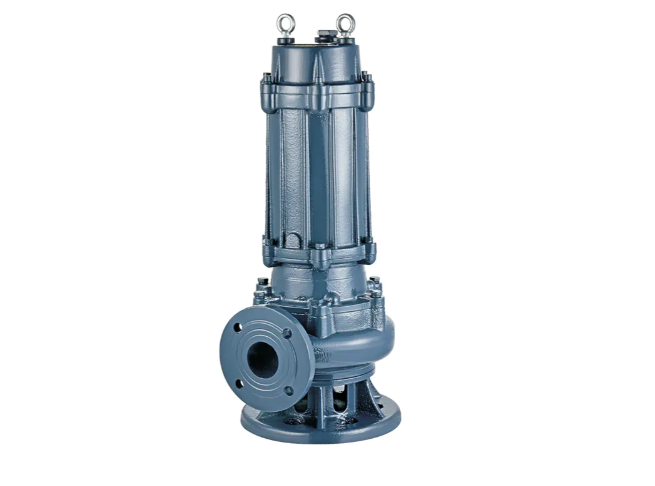
Blockage is one of the more common concerns associated with sewage pump operation. It can interrupt wastewater movement and may increase the need for inspection or maintenance.
Understanding why blockages occur can help users manage sewage pump systems more carefully. It can also help buyers consider the surrounding wastewater conditions when selecting equipment.
What Makes Underground Sewage Pump Vulnerable to Blockage?
The main reason is simple: sewage can contain solid material.
A pump designed to move wastewater must deal with more than liquid. Depending on the application, the incoming flow may carry various objects and substances.
Some materials can move through the pump without difficulty. Others may become trapped in or around the pump.
Common blockage materials include:
- Hair and fibers
- Paper products
- Plastic waste
- Cloth or fabric
- Food particles
- Grease and oily residue
- Sediment
- Small pieces of packaging
- Other solid household or commercial waste
The problem does not always begin with one large object.
Several smaller materials may collect together. Hair can catch other particles. Grease can make certain materials stick together. Sediment can settle in areas where wastewater movement is slower.
Over time, the accumulated material can restrict the flow.
This means a sewage pump blockage may develop gradually rather than appearing as an immediate failure.
How Does Waste Material Enter the Pump?
Wastewater systems are connected to many different sources.
In a residential setting, wastewater may come from bathrooms, kitchens, laundry areas, or other drainage points. In commercial environments, the source can vary according to the building's activities.
Not everything that enters a drain is suitable for a sewage pump.
People may flush or wash away materials without considering where they will eventually travel. Paper products can break down more easily than fabric. Plastic may remain intact. Hair can collect around other materials.
A small object may not cause an immediate problem. It can become part of a larger collection later.
| Material | How It May Contribute to Blockage |
|---|---|
| Hair | Can collect around other materials |
| Fabric | May become caught in the pump or nearby flow path |
| Plastic | May remain intact and obstruct movement |
| Paper | Can accumulate when combined with other waste |
| Grease | May stick to surfaces and trap particles |
| Food waste | Can combine with grease or other solids |
| Sediment | May settle where flow is limited |
| Packaging pieces | May become trapped in the pump or pipe |
The exact risk depends on the wastewater environment.
A pump used in a residential system may face different materials from one used in a commercial or industrial setting.
This is why blockage prevention should begin with understanding what enters the wastewater system.
Why Can Grease and Sticky Materials Cause Problems?
Grease deserves special attention because it can create a different type of blockage.
Solid objects are relatively easy to recognize. Grease may be less noticeable because it can enter the drainage system as part of ordinary wastewater.
When grease collects on internal surfaces, it can create a sticky layer. Other particles can then attach to that layer.
The buildup may gradually become thicker.
This can narrow the available flow path and make it easier for additional waste to become trapped.
The issue can be especially noticeable in wastewater systems connected to kitchens or food-related activities.
Grease does not always create a blockage on its own. Its bigger effect can be that it helps other materials stay together.
A small amount of hair or food residue may pass through the system. When combined with sticky material, it may become part of a larger accumulation.
For this reason, wastewater management practices can have a direct effect on pump maintenance.
How Can Sediment Lead to Underground Sewage Pump Blockages?
Not all blockage materials float through wastewater.
Sediment and heavier particles can settle in areas where water movement is limited.
This can happen in wastewater collection areas, pipes, or pump surroundings.
As sediment accumulates, the available space for wastewater movement may become smaller. Other materials can then collect around the settled material.
This creates a gradual blockage rather than a sudden one.
Sediment can come from different sources. Soil, dirt, construction residue, and other particles may enter drainage systems through different pathways.
The underground environment can make this problem harder to notice.
A pump may be located below ground or inside a restricted area. Operators may not be able to see the collection area during normal operation.
Regular inspection can therefore be useful.
The maintenance approach should follow the pump manufacturer's instructions and the requirements of the wastewater system.
What Happens When Fabric and Fibers Reach the Pump?
Fabric can be troublesome because it does not always break apart easily.
Items such as cloth, wipes, threads, and other fibrous materials can become caught around moving parts or in the flow path.
Once one piece becomes trapped, it may collect other materials.
This can create a chain reaction.
A piece of fabric may catch hair. Hair may collect paper. Grease may make the group stick together.
The original object may be relatively small. The resulting blockage can become much larger.
This is one reason users should avoid putting unsuitable materials into drains.
Wastewater pumps are designed for specific applications. They are not general-purpose waste disposal systems.
Clear instructions for building occupants, workers, or facility users can help reduce the amount of unsuitable material entering the drainage network.
Simple awareness can sometimes prevent a difficult maintenance problem.
How Can Pump Selection Affect Blockage Risk?
Pump selection can influence how a wastewater system handles solids.
Different sewage pumps are designed for different applications. Their ability to handle wastewater depends on their intended use and design.
A pump that does not match the wastewater conditions may experience more problems.
For example, a system that regularly receives fibrous waste may need a different approach from a system handling mostly liquid wastewater with limited solid material.
The surrounding pipe arrangement also matters.
The pump should be considered as part of the complete wastewater system rather than as an isolated device.
| Selection Consideration | Why It Matters |
|---|---|
| Wastewater characteristics | Determines what type of material the pump may encounter |
| Solid content | Influences how wastewater moves through the system |
| Installation environment | Affects access, cleaning, and inspection |
| Pipe arrangement | Influences wastewater movement |
| Maintenance needs | Determines how easily problems can be addressed |
| Intended application | Helps match the pump with the actual wastewater conditions |
This does not mean that the right pump can eliminate every blockage.
Waste entering the system still matters.
A suitable pump and a well-managed wastewater system need to work together.
Why Can Pipe Problems Be Mistaken for Pump Blockages?
A wastewater pump does not operate alone.
It is connected to pipes, valves, collection areas, and other parts of the drainage system.
When wastewater movement slows, the pump may not always be the source of the problem.
A pipe can become blocked. A valve can have a problem. Sediment can collect in another part of the system. An installation issue can also restrict flow.
This can make troubleshooting more complicated.
If a pump appears to be running but wastewater is not moving as expected, the entire system should be considered.
A simple inspection process can help narrow down the cause.
Operators can look at:
- Whether wastewater is reaching the pump.
- Whether the pump is operating as expected.
- Whether the surrounding area contains accumulated material.
- Whether the outlet path is clear.
- Whether valves and connected equipment are functioning normally.
- Whether the problem has appeared repeatedly.
Safety procedures should always be followed when inspecting sewage equipment.
Wastewater can contain harmful substances. Maintenance should be handled by appropriately trained personnel using suitable procedures.
How Does Pump Maintenance Help Prevent Blockages?
Maintenance cannot prevent every blockage, but it can help identify buildup before it becomes a major interruption.
Inspection may reveal accumulated waste, grease, sediment, or other material around the pump or collection area.
Cleaning can then be carried out according to the equipment manufacturer's instructions.
The maintenance schedule should reflect the actual application.
A system that handles more solid waste may need closer attention than one dealing with relatively clean wastewater.
Operators can also monitor changes in normal operation.
A pump that previously worked smoothly but begins to experience repeated interruptions may need inspection.
Other warning signs can include:
- Slower wastewater movement
- Unusual operating sounds
- Repeated shutdowns
- Visible accumulation around the collection area
- Changes in normal pumping behavior
- Increased maintenance frequency
These signs should not automatically be treated as proof of a blockage.
They can indicate that further inspection is needed.
What Can Users Do to Reduce Sewage Pump Blockages?
Pump maintenance is only one part of blockage prevention.
The way a wastewater system is used also matters.
Users can help by keeping unsuitable materials out of drains.
In residential environments, this may mean avoiding the disposal of fabric, plastic, excessive grease, or other inappropriate waste through toilets and sinks.
In commercial environments, staff may need clear instructions about what can enter the drainage system.
Food-related facilities may also need appropriate waste management practices for grease and food residue.
The goal is simple.
The less unsuitable material entering the system, the fewer opportunities there are for material to accumulate around the pump.
Maintenance teams can also keep records of repeated blockage problems.
If the same material appears every time the pump is inspected, the issue may not be equipment failure. It may point to a recurring source of waste entering the system.
This information can help facility managers address the cause rather than repeatedly dealing with the same result.
When Should an Underground Sewage Pump Be Inspected?
There is no single inspection schedule suitable for every wastewater system.
The appropriate approach depends on the application, wastewater conditions, pump design, and manufacturer's maintenance recommendations.
An inspection may be worth considering when the system shows changes in normal operation.
Repeated blockage is also a useful warning sign.
If a pump needs to be cleared again and again, simply removing the accumulated material may not solve the underlying problem.
The source should be investigated.
Questions can include:
- What material is causing the blockage?
- Where does that material enter the wastewater system?
- Is grease contributing to the buildup?
- Is sediment collecting nearby?
- Does the pump match the wastewater conditions?
- Is another part of the drainage system restricted?
- Has the wastewater environment changed?
These questions can turn a basic maintenance task into a more useful review of the whole system.
An underground sewage pump works within a larger wastewater network. Blockages can develop because of solid waste, fibers, grease, sediment, unsuitable materials, pipe restrictions, or equipment mismatch. Understanding how these factors interact can help users approach maintenance and system management more carefully.