

 English
 中文简体
中文简体 عربى
عربىFish farming depends on more than feed and stocking practices. Water conditions also play a central role. Among the equipment used in pond management, an aerator for fish farming pond applications has become an important consideration for many aquaculture operations.
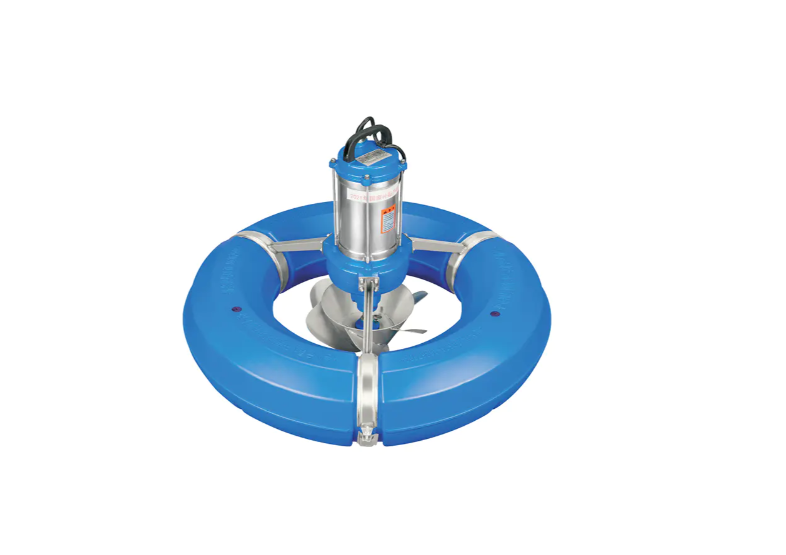
An aerator can help introduce oxygen into the water while also encouraging movement. These two functions are closely connected. Water that remains still may develop different conditions in different areas of the pond. Aeration can help create a more active water environment.
Yet choosing an aerator is not simply a matter of selecting a machine with a particular appearance.
Ponds differ in shape, depth, water movement, stocking practices, and daily management. Fish species can also have different environmental needs.
For this reason, the right choice should begin with the pond rather than the equipment catalog.
Why Does Pond Condition Matter When Choosing an Aerator?
Every pond has its own characteristics.
A shallow pond behaves differently from a deeper one. A narrow pond may have different circulation needs from a wide pond. A pond exposed to changing weather can also require a different management approach from one with relatively stable conditions.
These differences influence aerator selection.
A fish farmer can begin by looking at several basic areas.
| Pond Factor | Why It Matters |
|---|---|
| Pond Size | Influences the area that needs effective water movement |
| Pond Shape | Can affect where water circulation develops |
| Water Depth | May influence the choice and placement of equipment |
| Fish Population | Affects the pond's overall oxygen demand |
| Water Movement | Helps determine whether additional circulation is needed |
| Daily Management | Influences when and how aeration equipment is used |
| Weather Conditions | Can change pond conditions and management needs |
This approach makes equipment selection more practical.
Instead of asking which aerator is generally better, the more useful question is which type fits the actual pond.
The answer can change from one farm to another.
What Types of Aerators Can Be Used in Fish Farming Ponds?
Different aerator designs create water movement in different ways.
Some systems agitate the surface of the pond. Others move water through a more localized pattern. Some designs are intended to create broader circulation.
The choice depends on the purpose of aeration.
A farmer may want to improve oxygen distribution throughout the pond. Another may focus on creating movement in an area where water tends to remain still.
Common aerator categories include surface-based systems, paddle-style equipment, and diffused air systems.
Each approach has a different operating pattern.
| Aerator Approach | General Characteristic | Potential Use |
|---|---|---|
| Surface Aeration | Agitates water near the surface | Supporting surface water movement |
| Paddle Aeration | Moves and splashes water | Creating visible circulation |
| Diffused Air | Releases air through submerged equipment | Supporting movement from within the water |
| Portable Aeration | Can be moved between locations | Flexible or temporary pond management |
The selection should be based on the pond's needs rather than the name of the equipment.
It is also worth considering whether the aerator will operate as part of everyday pond management or mainly when water conditions become difficult.
That distinction can influence the most practical design.
How Does Fish Population Influence Aerator Selection?
Fish consume oxygen.
The amount of oxygen needed by a pond can change with fish population, feeding activity, water temperature, and other environmental conditions.
This means that the same aerator may not suit every pond.
A pond with a relatively low fish population may have different requirements from a heavily stocked production pond.
Farmers should also consider how fish are distributed.
If fish gather in certain areas, water movement may need to be managed around those locations.
Feeding areas can also influence pond conditions.
Food that remains in the water can affect water quality when it is not properly consumed. Organic material may also influence oxygen conditions.
Aeration is only one part of the solution.
Good pond management includes feeding practices, water monitoring, stocking decisions, and general maintenance.
An aerator should support these activities rather than replace them.
This broader view helps farmers avoid choosing equipment based on one factor alone.
Why Is Aerator Placement So Important?
Buying an appropriate aerator is only part of the process.
Where the equipment is installed can influence how effectively water moves through the pond.
Poor placement may leave some areas relatively still while creating excessive movement in another location.
Pond shape is particularly relevant.
A rectangular pond may allow a different circulation pattern from an irregularly shaped pond.
Obstacles, pond edges, water inlets, and outlets can also influence movement.
A farmer can observe the pond before deciding where to place the equipment.
Questions can include:
- Where does water tend to remain still?
- Where do fish commonly gather?
- Does the pond already have natural water movement?
- Are there areas with visible differences in water condition?
- Can the aerator create circulation across the intended area?
- Will its location interfere with feeding or other daily work?
Placement should also allow convenient access.
Equipment that is difficult to reach can make routine inspection more difficult.
A practical location should therefore balance water movement with maintenance and daily farm activities.
Should Farmers Consider Energy Use When Choosing an Aerator?
Operating cost is an important part of equipment selection.
An aerator may run regularly, so the way it uses energy can affect the overall operating plan.
Farmers should consider the available power supply and how the equipment will fit into daily operations.
The question is not simply how much energy a machine uses.
The farmer also needs to consider how often the aerator will operate.
A system used occasionally for emergency management has a different role from one used as part of a daily aeration schedule.
Equipment controls can also matter.
Simple operation may be useful for farms where workers need to respond quickly to changing pond conditions.
Some farms may also consider automated operation.
Automation can help coordinate aeration with other pond management activities. However, it should match the farm's actual needs.
A complicated system may not always be necessary.
The most practical solution is often the one that workers can understand, operate, and maintain with confidence.
How Does Maintenance Affect Aerator Selection?
An aerator operates in a demanding environment.
Water, moisture, organic material, and outdoor exposure can all affect equipment over time.
Maintenance should therefore be considered before purchasing.
Farmers can ask how easy it is to inspect the equipment.
They can also consider whether common maintenance tasks can be completed without disrupting pond operations.
A useful maintenance checklist may include:
Check the equipment condition.
Look for visible wear or unusual changes.
Keep moving parts clean.
Remove material that could interfere with normal operation.
Inspect electrical connections.
Outdoor equipment needs appropriate protection and regular checking.
Monitor operating behavior.
Changes in sound, movement, or water circulation may indicate a problem.
Follow the manufacturer's maintenance guidance.
Routine care can help keep equipment working as intended.
Maintenance is easier when equipment is accessible.
This is another reason placement matters.
A farmer may find a slightly more convenient installation location more practical than one that looks ideal only from a water circulation perspective.
Can Aerator Design Affect Daily Fish Farm Management?
Aeration equipment can become part of the farm's daily routine.
Workers may need to turn it on or off, inspect it, clean it, move it, or adjust its operation according to pond conditions.
The design should fit these activities.
For example, a portable aerator may be useful when farmers need flexibility between several ponds.
A fixed system may be more appropriate when aeration is integrated into the regular management of one pond.
The equipment should also fit the farm's working environment.
Farm workers may already have several responsibilities. An aerator that requires frequent complicated adjustments can add unnecessary work.
Simple operation can be valuable.
Clear controls can help workers understand how the equipment should be used.
Accessible maintenance points can also reduce the time required for routine checks.
This is where equipment selection becomes a management decision rather than a purely technical one.
What Should Farmers Ask an Aerator Supplier Before Buying?
Supplier communication can reveal whether a product is suitable for the intended application.
A farmer should provide information about the pond rather than simply asking for a general recommendation.
Useful information may include:
- Pond size and shape
- Approximate water depth
- Fish species
- General stocking conditions
- Existing water circulation
- Power availability
- Expected operating schedule
- Whether the equipment will be fixed or moved
- Routine maintenance preferences
The supplier can then explain which equipment characteristics fit those conditions.
Farmers can also ask practical questions about installation and maintenance.
For example:
How should the aerator be positioned?
What routine maintenance is required?
Can the equipment be moved between ponds?
How is the equipment protected during outdoor operation?
What happens if the equipment needs servicing?
These questions can help reveal whether the equipment fits the farm's daily workflow.
A good purchasing decision should not depend only on the product itself.
The support available around the product can also matter.
How Can Fish Farmers Match Aeration With Pond Management?
Aeration works best when it is considered as part of a broader pond management plan.
Water conditions can change throughout the day.
Weather, feeding, fish activity, organic material, and water movement can all influence the pond environment.
Farmers can therefore observe their ponds rather than relying on equipment alone.
Regular observation can help identify changes.
Water that looks different, fish behavior that changes, or unusual pond conditions may indicate that the management approach needs attention.
An aerator can support the response, but it should not be treated as a replacement for water management.
A practical selection process can be organized around five questions:
| Question | What It Helps Determine |
|---|---|
| What does the pond need? | Defines the basic aeration purpose |
| How do fish use the pond? | Helps identify areas requiring attention |
| What type of water movement is needed? | Guides aerator design selection |
| How will workers operate it? | Helps determine equipment convenience |
| How will it be maintained? | Influences long-term practicality |
This keeps the decision focused on actual farm conditions.
For a small pond, flexibility and simple operation may matter more.
For a larger aquaculture operation, consistent circulation and coordinated management may receive more attention.
For farms with several ponds, portability may become an important consideration.
There is no single aerator arrangement that fits every fish farming pond.
The more useful approach is to connect pond conditions, fish management, water movement, equipment operation, energy use, placement, and maintenance before making a purchasing decision.
An aerator for fish farming pond applications is therefore not simply a piece of equipment added to the water. It becomes part of the way a farm manages its pond environment and daily production activities.