

 English
 中文简体
中文简体 عربى
عربىIndustrial production lines, treatment plants, and aquaculture farms all depend on stable and controlled airflow. A Vortex Ring Blower has become a widely adopted solution for these environments because it combines steady pressure, compact structure, and low operational noise. Working with a qualified Vortex Ring Blower Manufacturer also affects system stability and long-term operating cost.
How a Vortex Ring Blower Works
A Vortex Ring Blower is a type of positive displacement air device that generates airflow through rotational vortex motion. Instead of relying on complex gear systems or multi-stage compression, it creates a whirling air current inside a specially designed chamber. The air forms a circular motion, building pressure and producing continuous discharge.
This mechanism reduces friction loss compared to conventional impeller-based designs. Because there are fewer contacting mechanical components, operational vibration is lower, and airflow remains stable across extended run times.
For facilities requiring uninterrupted aeration or pneumatic conveying, this stability directly supports process consistency.
Why Energy Efficiency Matters in Air Systems
Air movement equipment often runs for long hours each day. Even a small reduction in power consumption can significantly influence operating expenses over time. The aerodynamic design of a Vortex Ring Blower supports efficient energy transfer from motor to airflow.
Instead of abrupt pressure changes, the vortex structure maintains smooth air acceleration. This reduces turbulence and unnecessary energy dissipation. When systems are properly sized, airflow output remains consistent without excessive motor strain.
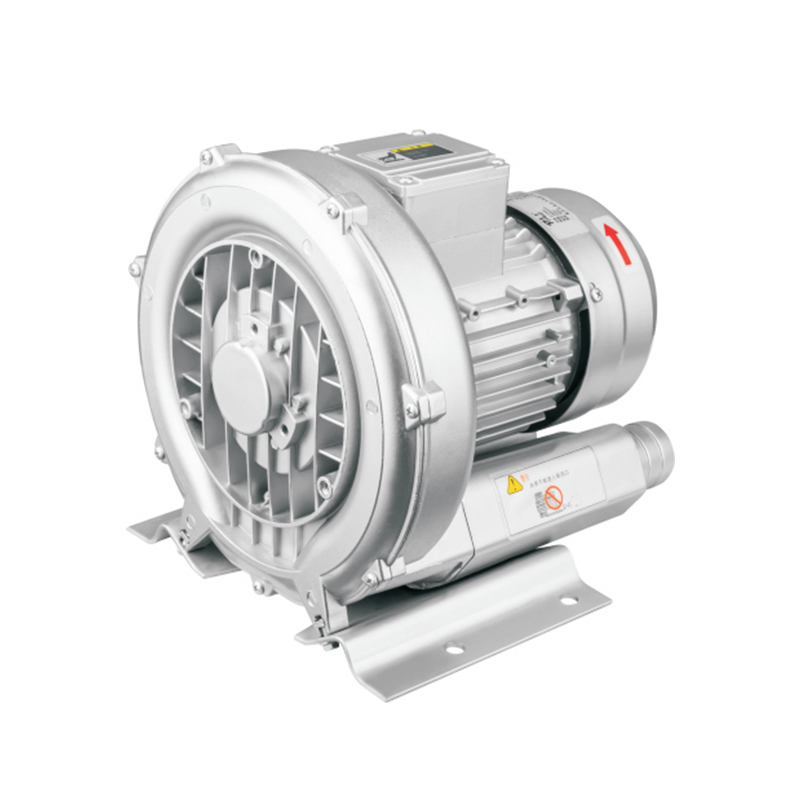
From a process engineering standpoint, matching blower capacity with actual airflow demand prevents energy waste. Oversized units may cycle inefficiently, while undersized units can operate under strain. Technical consultation with a Vortex Ring Blower Manufacturer helps align performance curves with application needs.
Noise Control in Working Environments
Noise exposure is a common concern in manufacturing facilities, laboratories, and treatment plants. Traditional air pumps with heavy mechanical interaction can generate high vibration and mechanical sound.
A Vortex Ring Blower operates with smoother airflow dynamics and fewer friction points. The absence of complex gear engagement contributes to reduced vibration. In enclosed environments such as laboratory ventilation or aquaculture systems near residential areas, this quieter performance is highly valued.
Lower noise output also simplifies installation planning. Facilities may not need additional acoustic isolation structures, which reduces infrastructure adjustments.
Reliability in Continuous Operation
Many applications require round-the-clock airflow. Wastewater aeration tanks, fish farms, and pneumatic conveying systems cannot tolerate frequent downtime.
The internal structure of a Vortex Ring Blower is comparatively simple. Without intricate blade assemblies or gear meshes, wear points are limited. This contributes to long service life and stable operation.
Routine maintenance typically includes air intake inspection and filter cleaning. With proper installation and periodic checks, operational interruptions are rare. A reliable Vortex Ring Blower Manufacturer will provide clear maintenance guidelines and performance documentation to support plant engineers.
Airflow management plays a central role in many industrial and environmental systems. A Vortex Ring Blower offers stable pressure, energy-conscious operation, and adaptable installation across sectors such as aquaculture and wastewater treatment.
Understanding performance characteristics, application requirements, and manufacturing quality helps organizations integrate this equipment effectively into their processes. By working with an experienced Vortex Ring Blower Manufacturer, facilities can align technical parameters with operational goals and maintain reliable airflow across demanding environments.