

 English
 中文简体
中文简体 عربى
عربىStable dissolved oxygen and steady water circulation sit at the core of any successful aquaculture operation. An Aquaculture Machine Aerator plays a central role in maintaining these parameters. In high-density ponds, tanks, and recirculating systems, oxygen demand rises quickly. Without consistent aeration, aquatic species experience stress, slower growth, and higher mortality.
Why Dissolved Oxygen Management Is a Daily Challenge
In fish and shrimp farming, oxygen levels fluctuate throughout the day. Feeding activity, water temperature, algae respiration at night, and stocking density all influence dissolved oxygen (DO). When DO drops below the species requirement, several issues occur:
- Reduced feed conversion efficiency
- Slower biomass gain
- Increased vulnerability to disease
- Uneven growth rates
An Aquaculture Machine Aerator introduces atmospheric oxygen into the water through mechanical agitation. By continuously disturbing the water surface and promoting gas exchange, it stabilizes DO levels across the pond or tank.
For farm operators, the objective is not only oxygen supply, but oxygen distribution. Localized aeration without circulation can create uneven zones, which reduces overall system performance.
Operational Pain Points and How Aeration Equipment Addresses Them
1. Nighttime Oxygen Drop
Photosynthesis stops at night, while respiration continues. Oxygen levels can fall sharply before sunrise. Installing an Aquaculture Machine Aerator with adjustable operating schedules helps maintain stable nighttime DO.
2. High Stocking Density
Intensive aquaculture increases oxygen demand per cubic meter of water. Mechanical aeration provides continuous oxygen replenishment, reducing stress during peak biomass periods.
3. Uneven Pond Conditions
Large ponds often experience circulation imbalance. Strategic placement of multiple units allows better water flow management and improved uniformity.
4. Rising Energy Costs
Electricity consumption directly impacts operational budgets. Modern designs from an experienced Aquaculture Machine Aerator Manufacturer incorporate energy-efficient motors and optimized impeller geometry to balance oxygen transfer and power usage.
Key Features to Evaluate in an Aquaculture Machine Aerator
Selecting aeration equipment requires attention to construction quality, motor performance, and operational flexibility.
Durable Construction
Aquaculture environments expose equipment to moisture, salinity, UV radiation, and organic matter. Units made from corrosion-resistant materials such as stainless steel shafts and reinforced polymers provide longer service intervals. This reduces downtime and replacement frequency.
Adjustable Speed and Flow
Different growth stages require different aeration intensity. Adjustable motor speeds or variable frequency control allow operators to adapt oxygen supply according to biomass and feeding schedules.
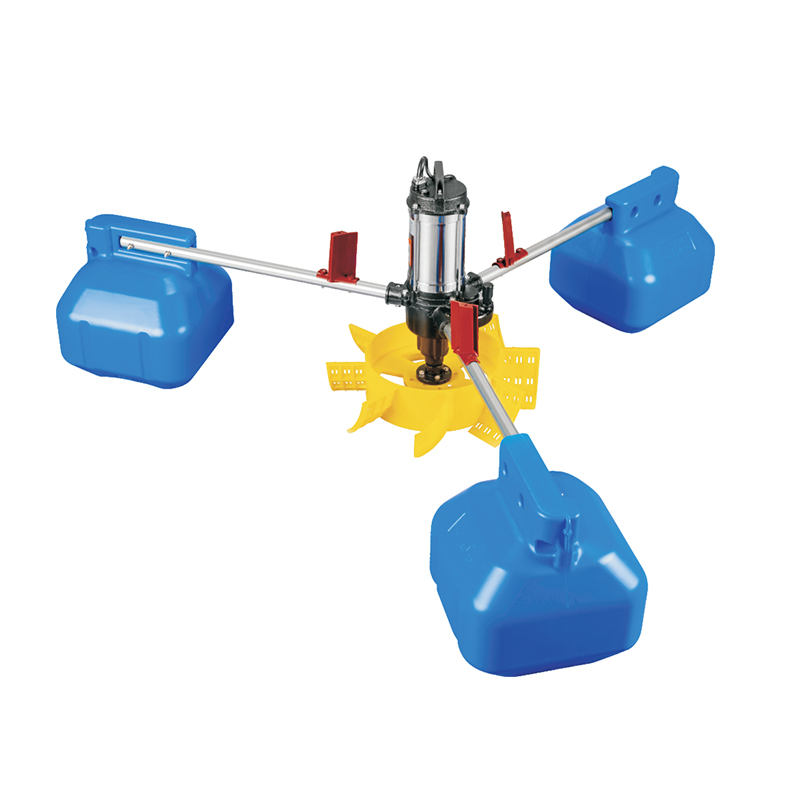
Low Noise Operation
Excessive vibration and noise can disturb certain species. Modern designs prioritize balanced impellers and stable motor assemblies to maintain smoother operation.
Maintenance Accessibility
Routine inspection, cleaning of impellers, and motor checks should be straightforward. A practical design minimizes labor time and simplifies part replacement.
Working with a capable Aquaculture Machine Aerator Manufacturer helps align these technical specifications with the farm's production model.
Oxygen management, water circulation, and operational efficiency define the sustainability of modern aquaculture. A well-designed Aquaculture Machine Aerator supports stable dissolved oxygen levels, enhances circulation, and contributes to consistent biomass development across fish and shrimp systems.
Selecting the appropriate equipment model, evaluating technical specifications, and collaborating with a qualified Aquaculture Machine Aerator Manufacturer provides a structured path toward stable and predictable aquaculture production.