

 English
 中文简体
中文简体 عربى
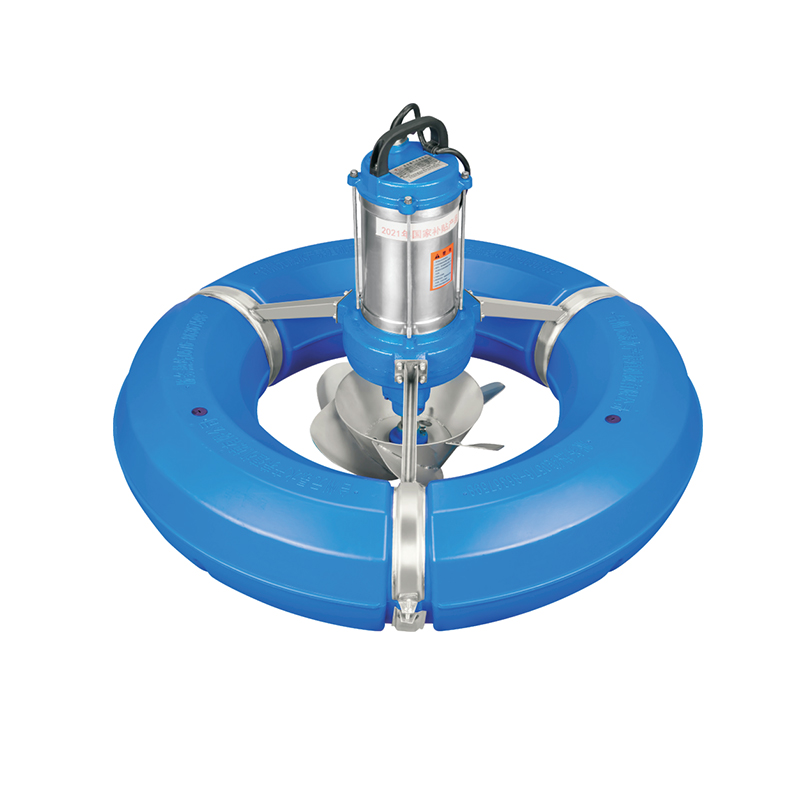
عربىAn Aquaculture Machine Aerator plays a central role in maintaining healthy aquatic environments. These devices increase dissolved oxygen (DO) levels in water, which is critical for fish, shrimp, and other species. Proper oxygenation reduces stress, supports growth, and prevents mortality in high-density aquaculture systems.
Mechanical aerators achieve this by agitating the water and facilitating oxygen exchange between the water and the air. They also promote circulation, preventing stagnation and reducing the buildup of harmful substances like ammonia or carbon dioxide. A reliable Aquaculture Machine Aerator Manufacturer focuses on creating devices that can operate efficiently under various water conditions while minimizing maintenance.
Key Advantages of Aquaculture Machine Aerators
Improved Oxygenation
Maintaining sufficient oxygen levels is the most critical function of a mechanical aerator. Oxygen-deprived water can hinder fish growth and cause health problems. By continuously mixing the water, an Aquaculture Machine Aerator ensures stable DO levels, supporting the health of all aquatic organisms.
Enhanced Water Circulation
In addition to oxygenation, mechanical aerators improve water movement. Consistent circulation prevents the formation of dead zones in ponds or tanks and distributes nutrients evenly. This circulation is essential for both large-scale fish farms and smaller hatcheries.
Energy Efficiency
Modern aerators are designed to deliver effective oxygenation while consuming reasonable energy. Advances in motor design and blade efficiency allow the aerator to provide consistent performance with lower operational costs, making it a viable investment for commercial aquaculture.
Features to Consider
Durable Construction
An Aquaculture Machine Aerator Manufacturer uses corrosion-resistant materials such as stainless steel or reinforced plastics. These materials are suitable for both freshwater and saltwater operations and allow the aerator to withstand continuous use without frequent repairs.
Adjustable Speed and Flow
Variable speed settings enable operators to adapt the aeration process to the specific needs of their aquaculture system. Whether oxygen demand fluctuates due to feeding or seasonal changes, adjustable controls provide operational flexibility.
Low Noise Operation
Modern mechanical aerators are engineered for quieter operation. Reduced noise levels prevent stress in fish or shrimp and create a safer, more manageable working environment.
Easy Maintenance
Self-priming designs and accessible components simplify cleaning and inspection, minimizing downtime. Routine maintenance keeps the aerator operating efficiently, which is critical in intensive aquaculture operations.
Applications in Aquaculture
- Fish Farming
Mechanical aerators are widely used in fish farms to maintain optimal oxygen levels for species like tilapia, trout, and salmon. Proper aeration supports higher growth rates and healthier fish populations.
- Shrimp Farming
Shrimp are highly sensitive to oxygen fluctuations. Aquaculture Machine Aerators help stabilize water quality and oxygen levels, supporting healthy shrimp growth and productivity.
- Hatcheries
Hatcheries rely on aerators to sustain oxygen levels for larvae and juvenile fish. Even minor oxygen depletion can impact survival rates at these delicate stages.
- Recirculating Aquaculture Systems (RAS)
RAS facilities reuse water through filtration and aeration. Mechanical aerators are essential in these closed-loop systems, ensuring water remains oxygenated and suitable for continuous fish growth.
- Ponds and Lakes
Large ponds and lakes require aerators to prevent oxygen-deprived zones, especially where water depth or density reduces natural oxygen diffusion. Mechanical aerators circulate and oxygenate large volumes effectively.
Aquaculture Machine Aerators are essential in modern aquaculture, providing stable oxygenation, improved circulation, and operational efficiency. With durable construction, energy-efficient operation, and flexible features, they support a wide range of aquaculture applications, from hatcheries to large-scale fish farms. Collaborating with a reputable Aquaculture Machine Aerator Manufacturer guarantees consistent performance and reliable support for long-term operations.