

 English
 中文简体
中文简体 عربى
عربىHow a Float Type Aerator Enhances Water Oxygen Levels
A Float Type Aerator is designed to provide consistent oxygenation and circulation in various water bodies, including lakes, rivers, and seawater environments. Its floating design allows it to remain stable while pumping water efficiently, supporting aquatic life and reducing stagnation. Unlike stationary aerators, this type can adapt to changing water levels and conditions, making it flexible for different ecological or industrial setups.
By promoting water movement, a Float Type Aerator prevents sediment buildup and helps maintain uniform oxygen distribution throughout the water column. This is particularly important in aquaculture, where oxygen levels directly influence the health and growth of fish or shellfish. A reliable Float Type Aerator Factory will engineer devices that balance energy efficiency with durable performance to meet these operational demands.
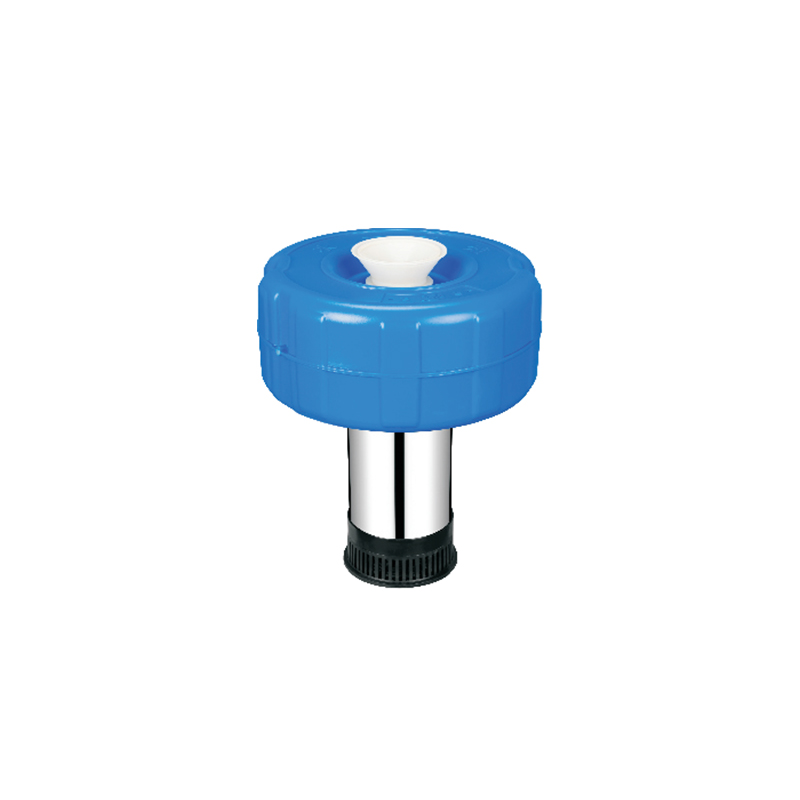
Technical Features of a Float Type Aerator
Float-type aerators combine mechanical and electrical engineering for optimal water treatment. Key features include:
- Floating Platform Design: Allows the aerator to remain stable on the water surface, accommodating waves, tides, and varying water levels.
- Motor Power and Pump Capacity: Typically, these units use water-resistant motors designed to operate continuously, providing a flow rate appropriate for the size of the pond, tank, or open water body. Some models can handle several cubic meters of water per minute.
- Oxygen Diffusion Efficiency: The aerator disperses oxygen evenly across a broad area, enhancing the aquatic environment for both freshwater and seawater species.
- Durable Construction: Built to resist corrosion, especially in seawater applications, extending operational life with minimal maintenance.
A Float Type Aerator Factory ensures that each unit is designed for robust, reliable performance, meeting industrial and ecological requirements alike.
Installation Best Practices
Proper installation is critical for achieving optimal aeration performance. Consider the following:
- Positioning: Place the aerator where water circulation is limited, ensuring uniform oxygenation across the water body.
- Anchoring: Use durable, adjustable moorings to keep the aerator in place without restricting movement.
- Power Supply Access: Ensure reliable electrical connections for uninterrupted operation.
- Debris Management: Position the aerator to avoid floating debris or vegetation that may obstruct the pump intake.
Correct installation reduces wear on the motor and pump, prolongs service life, and ensures consistent performance in both small ponds and large reservoirs.
Maintenance and Operational Tips
Routine maintenance improves efficiency and prevents downtime. Recommended practices include:
- Visual Inspections: Check for wear, corrosion, or damage to floats, motor housing, and pumps.
- Pump and Motor Care: Clean impellers and lubricate moving parts if needed to maintain optimal performance.
- Electrical System Checks: Inspect cables, connectors, and control panels for water ingress or corrosion.
- Seasonal Adjustments: Modify aerator placement based on water level or seasonal weather changes.
A Float Type Aerator Factory can provide maintenance guidelines tailored to each model, helping operators sustain long-term operational efficiency.
Optimizing Water Circulation
Float-type aerators help maintain consistent water movement, which is critical in both aquaculture and natural water bodies:
- Prevents Stagnation: Reduces the accumulation of organic material and sediment at the bottom.
- Uniform Oxygen Levels: Ensures oxygen reaches all levels of water, supporting aquatic health.
- Supports Microbial Balance: Circulation assists beneficial microbes in processing waste, improving water quality.
A Float Type Aerator Factory often provides guidance on ideal unit placement and operational schedules to maximize circulation without unnecessary energy use.