

 English
 中文简体
中文简体 عربى
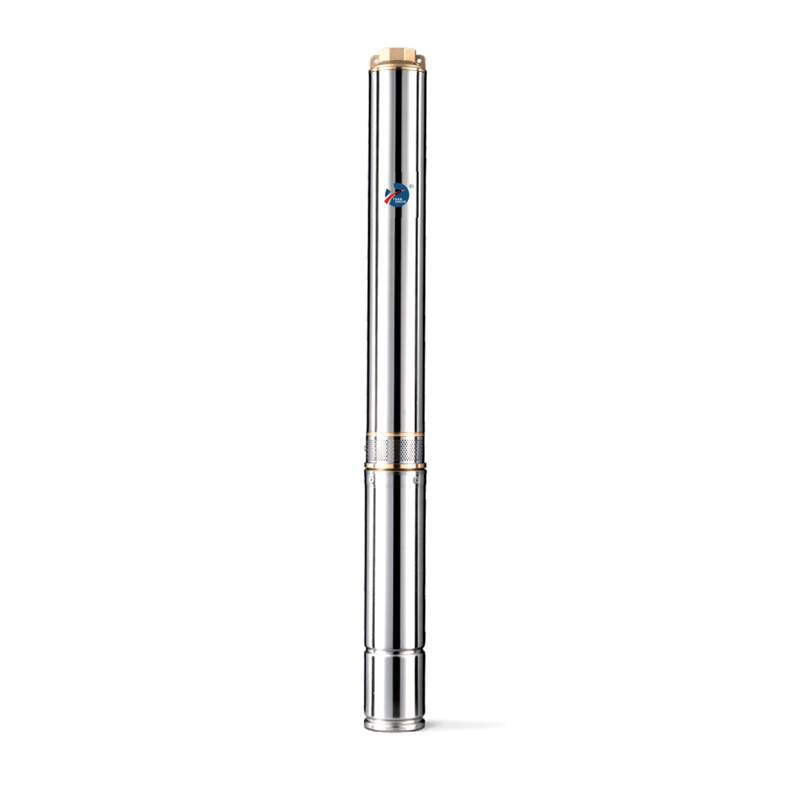
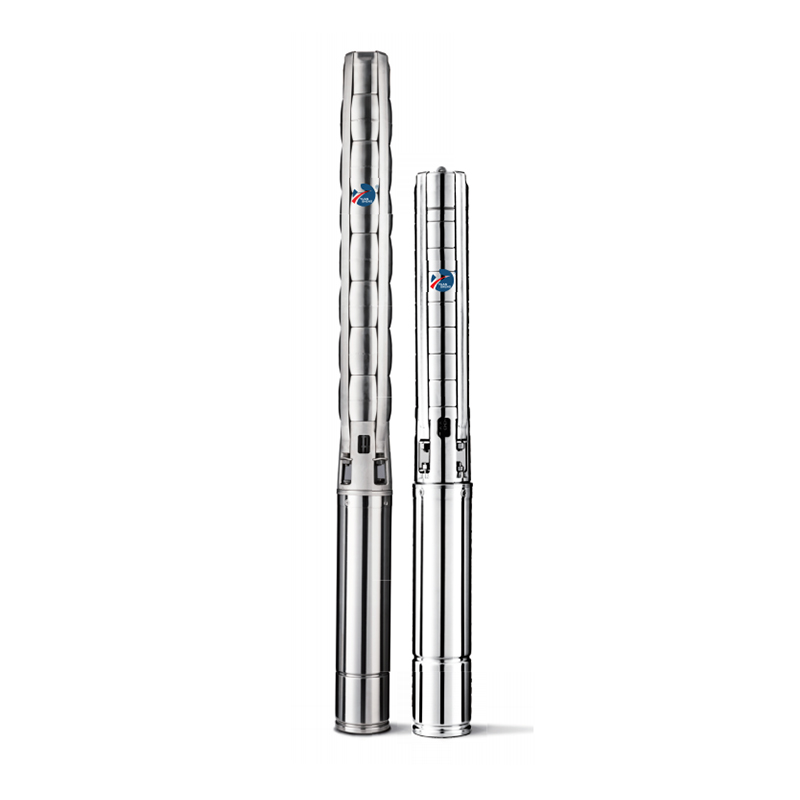
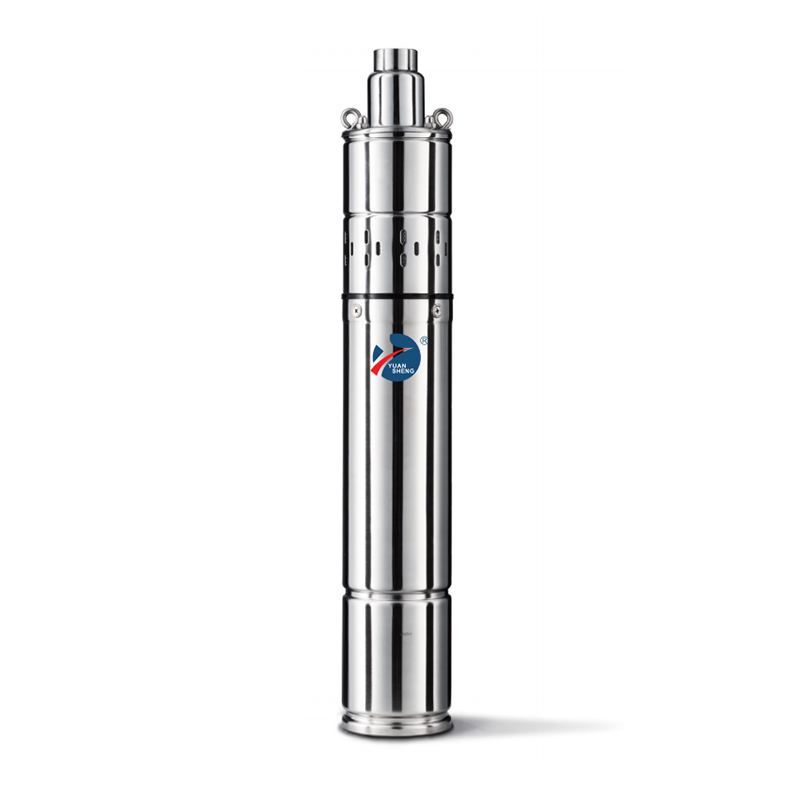
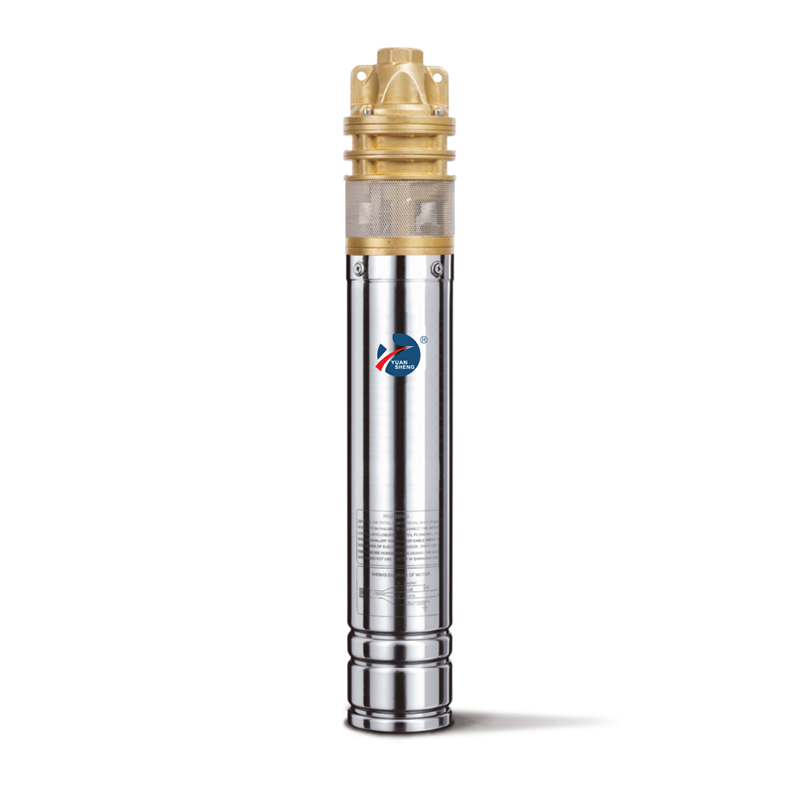
عربىSolar submersible deep well pumps are increasingly used to provide a reliable water supply in areas without consistent grid electricity. By combining the efficiency of deep well pumps with solar energy, these systems can lift water from significant depths while reducing operational costs and dependence on traditional power sources. Farmers, residents, and industrial users around the world are turning to solar-driven submersible pumps to ensure steady water delivery for various needs, including irrigation, household supply, and small-scale industrial operations.
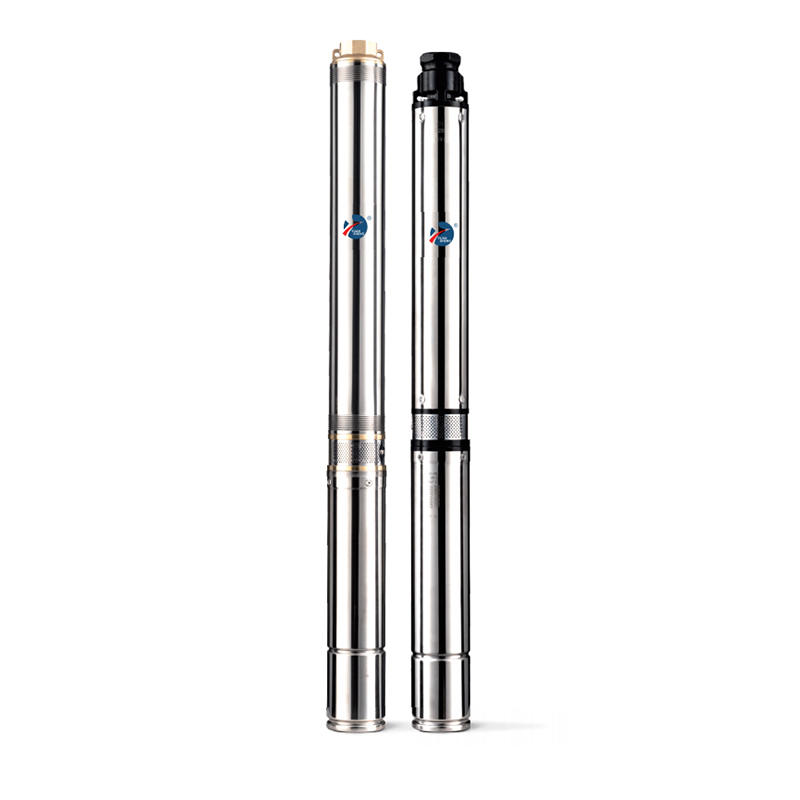
One of the main considerations when installing a solar deep well pump is selecting the appropriate power and model for the specific water source. Pumps are available in a wide range of capacities, from small units capable of delivering a few cubic meters per hour for household use, to high-capacity pumps designed for agricultural irrigation or industrial applications. Users often report that careful matching of pump capacity to well depth and daily water requirements is essential to avoid underperformance or unnecessary energy consumption. For instance, in a medium-sized farm, a 1.5 kW solar pump may reliably irrigate a hectare of crops, while larger farms may require pumps exceeding 5 kW to meet peak demand.
Practical installation experience shows the importance of positioning the solar panels and pump controls for efficiency. Panels must face the sun at the optimal angle to ensure consistent power output throughout the day, while the pump must be submerged correctly to prevent dry running and overheating. In communities relying on deep wells for residential water, users highlight the benefit of combining multiple smaller pumps with a shared solar array, which provides redundancy and ensures a continuous water supply even during partial system maintenance.
Another key topic is maintenance and durability. Modern solar deep well pumps are typically constructed with corrosion-resistant materials to withstand mineral-rich groundwater, and high-quality seals prevent leaks and reduce wear. Many operators report that pumps installed in rural or remote areas continue to function reliably for years with minimal maintenance when proper installation guidelines are followed. Energy management features, such as variable frequency drives or built-in controllers, allow pumps to adjust output based on solar availability and water demand, improving overall efficiency.
The applications of solar submersible pumps extend beyond agriculture. In urban or peri-urban areas, households use them for drinking water and sanitation, particularly in regions where intermittent grid supply is common. Industrial sites, such as small factories or processing facilities, can rely on solar pumps for water-dependent processes without increasing electricity costs. Overall, the versatility of solar-powered pumps makes them a sustainable choice for diverse water supply needs.
Frequently Asked Questions
What depth can solar submersible deep well pumps handle?
They can generally operate in wells ranging from tens to several hundred meters, depending on the pump’s power and model.
How do I choose the right pump for irrigation or household use?
Consider daily water requirements, well depth, and solar panel capacity. Matching the pump to actual needs ensures reliable performance and efficiency.
Can solar pumps operate in cloudy conditions?
Yes, modern systems often include controllers and battery storage options to maintain operation during periods of low sunlight.
Solar submersible deep well pumps provide a practical, energy-efficient solution for water supply, combining reliable performance with the flexibility to serve agricultural, residential, and industrial applications.