

 English
 中文简体
中文简体 عربى
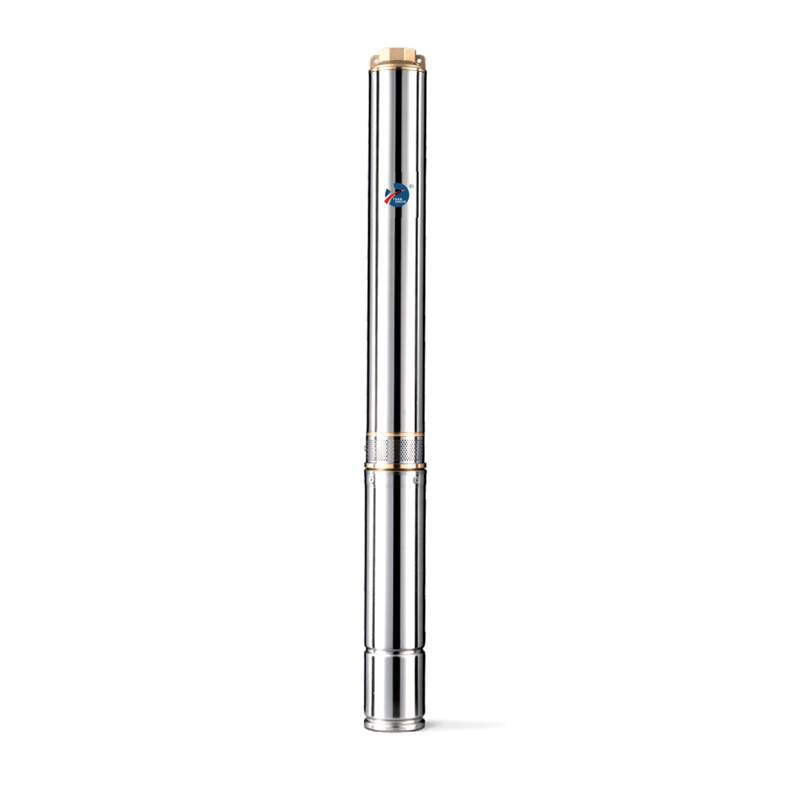
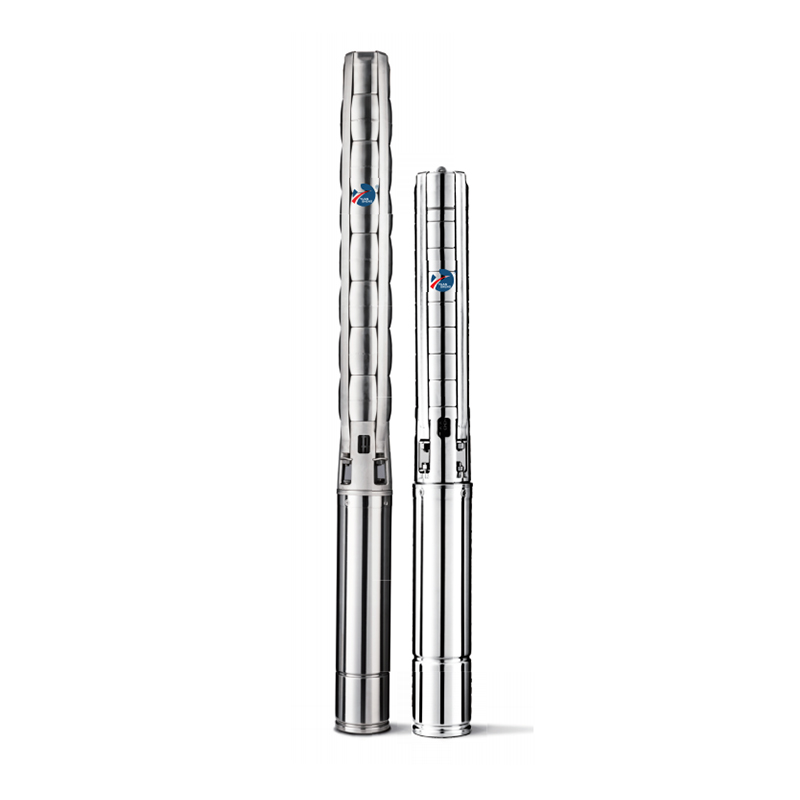
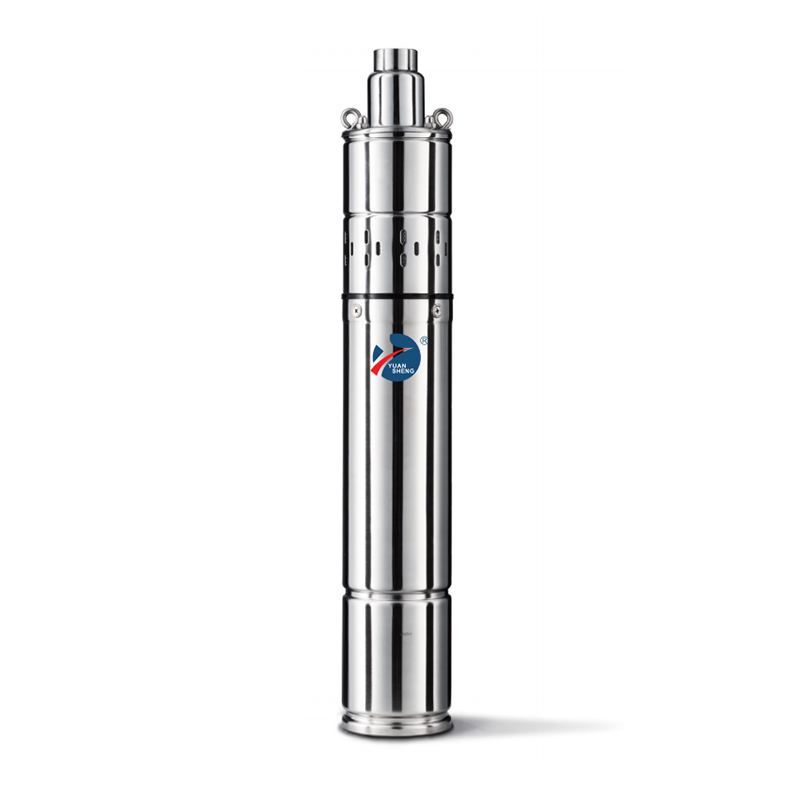
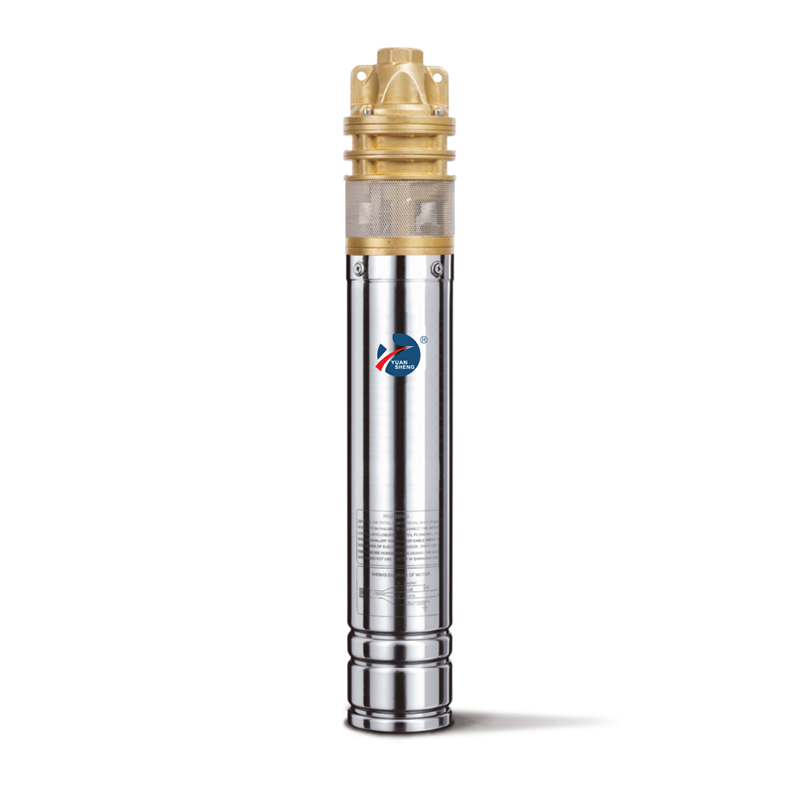
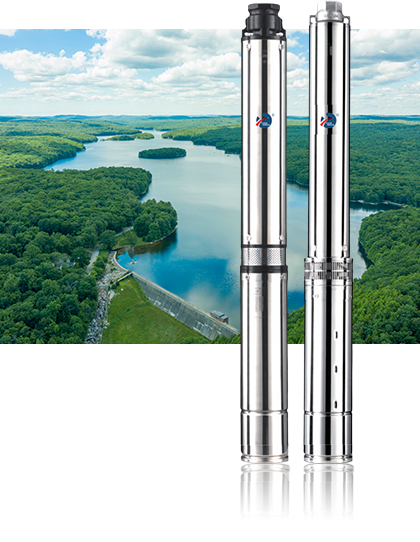
عربىAs groundwater systems continue to support households, farms, and commercial facilities, the Submersible Deep Well Pump remains a widely used solution for steady water extraction. Its role in delivering water from deep aquifers has encouraged many users to examine installation standards, maintenance practices, and suitability for varying well conditions. This broader attention reflects a growing need for stable water supply and reliable infrastructure planning.
Common Failure Points and Practical Maintenance Needs
In many regions where deep wells serve as primary water sources, operators have reported several recurring performance issues. These issues often do not originate from the pump itself but from system configuration or environmental conditions. Typical challenges include:
- Motors failing to start due to electrical imbalance
- Reduced water output caused by partial blockage or low water levels
- Irregular pressure associated with tank or valve mismatch
- Heat overload interruption in high-demand operating cycles
These situations highlight the importance of complete system inspection. For example, an unsuitable control box may restrict starting performance, while unstable voltage can reduce operational lifespan. In wells containing mineral deposits or sand, the intake path may gradually narrow, affecting flow and pressure. Many technicians suggest that maintenance should begin with the system as a whole—checking valves, pressure tanks, pipes, and water depth—before considering pump replacement.
Matching Pump Parameters with Well Conditions
Selecting the correct Submersible Deep Well Pump depends heavily on understanding engineering parameters and well characteristics. Among the most referenced criteria are:
| Parameter | Purpose |
|---|---|
| Head (Total Lift) | Determines how high the pump must push water |
| Flow Rate (GPM) | Matches household or agricultural usage |
| Well Diameter | Ensures proper pump placement and cooling |
| Water Quality | Guides material and filtration requirements |
These parameters help determine whether a multi-stage design is needed, particularly for deeper wells where higher lift is required. For agricultural irrigation, a wider flow range often becomes the priority, while residential systems typically emphasize stable pressure for daily usage. Industrial environments may instead focus on durability and longer running cycles.
A thoughtful match between pump capability and well conditions not only improves performance but also minimizes the risk of premature wear from overload, dry running, or sediment impact.
Material Selection and Adaptation to Water Chemistry
Water chemistry varies widely across regions, leading to different durability expectations. In wells containing higher mineral concentrations, standard stainless steel or cast-iron components may experience faster surface corrosion or mechanical erosion. Similarly, sand particles can gradually affect impellers, motor shafts, and seals.
To address these conditions, many manufacturers have introduced improved material options, such as:
- 316L stainless steel to enhance corrosion resistance
- Polymer or PVDF housings suited for mineral-rich environments
- Anti-sand intake screens to reduce sediment entry
- Reinforced cable protectors for long-term immersion
These design choices help pumps adapt to challenging water conditions and sustain operational stability over longer use cycles.
Expanding Use Cases and Structured Procurement
The application of Submersible Deep Well Pump systems extends across multiple sectors:
- Residential wells: Steady household supply and pressure balance
- Agricultural fields: Irrigation systems requiring consistent water flow
- Livestock operations: Continuous water replenishment for farm facilities
- Commercial estates: Backup or primary groundwater supply
- Light industrial sites: Controlled extraction for cooling or process water
Procurement teams are increasingly evaluating pumps not only by capacity, but also by installation support, maintenance guidelines, and compatibility with existing well structures. Clear data sheets, performance tables, and service support are becoming essential references during purchasing decisions.
Market Outlook
As infrastructure modernization accelerates, deep well systems are expected to serve both established and newly developed regions. This supports the need for reliable pumping equipment, practical installation guidance, and durable material selection.