

 English
 中文简体
中文简体 عربى
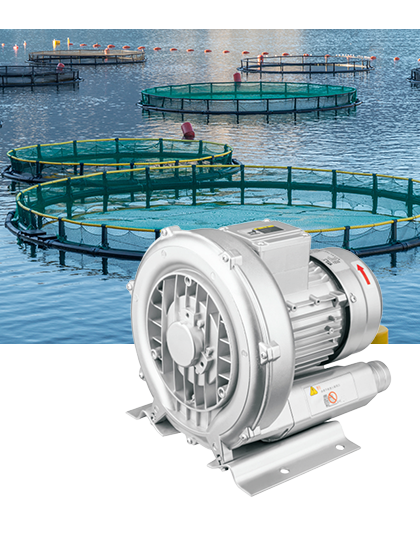
عربىAs industrial systems seek stable, oil-free, and controllable airflow, the Vortex Ring Blower has become a widely adopted solution across multiple sectors. Its ability to generate continuous high-pressure air without direct mechanical contact makes it suitable for environments where ventilation, cleanliness, or controlled aeration is essential. How does this blower support modern facilities? Why do various industries select it over traditional fans or small compressors? These questions are shaping new interest in airflow and vacuum equipment.
Airflow Management in Ventilation and Dust Control
In factory ventilation systems, the Vortex Ring Blower plays an important role in stabilizing indoor air circulation. Many industrial environments—such as textiles, metalworking, pharmaceuticals, and electronics—require clean airflow to protect equipment and maintain safe operating conditions.
Key advantages that operators focus on include:
- Oil-free air output
- High and steady airflow pressure
- Suitability for continuous operation
- Compact structure for flexible installation
These features make the blower a practical choice for dust extraction, fumes removal, and air exchange. In larger production halls, the ability to maintain predictable air pressure helps facilities keep air quality within regulatory standards. The blower’s consistent performance also helps reduce airborne particles that may affect sensitive processes or finished products.
Aeration in Wastewater Treatment and Aquatic Systems
In water-related applications, the Vortex Ring Blower supports aeration systems where oxygen transfer efficiency is important. Wastewater treatment plants often rely on controlled air delivery to encourage biological activity. Similarly, fish ponds, shrimp farms, and aquarium systems require stable airflow to maintain dissolved oxygen levels.
Typical benefits include:
- Oil-free and clean airflow
- Steady oxygen delivery for microbial processes
- Compatibility with filtration and distribution pipes
- Ability to operate in long cycles
Because no lubricant contacts the air, the blower is suitable for environments with strict cleanliness requirements. In many facilities, stable aeration directly influences water quality performance, helping maintain healthier aquatic systems and supporting wastewater processing efficiency.
Multi-Purpose Functions: Pressure and Vacuum in One System
Unlike conventional ventilation fans, the Vortex Ring Blower provides both pressure and vacuum functions. This versatility allows one unit to support air movement, suction, or material transportation depending on system design. As a result, the blower is used in an expanding range of equipment:
| Application Area | Typical Use |
|---|---|
| Packaging machines | Vacuum hold-down and material transport |
| Plastic molding | Cooling air supply |
| Printing | Ink drying and dust removal |
| Textile equipment | Fiber collection and airflow stabilization |
| Wood carving | Dust extraction |
| Gas analysis | Controlled sampling |
| Industrial cleaning | Air knives and suction systems |
This dual-function capability helps manufacturers reduce equipment complexity and optimize airflow processes with fewer components.
Clean Air Requirements in Sensitive Industries
For sectors where air purity is essential—such as food production, pharmaceuticals, laboratories, and chemical processing—the Vortex Ring Blower is valued for its clean, oil-free operation. Without lubricants entering the airflow, the risk of contamination is reduced.
Industries with high environmental control requirements often highlight benefits such as:
- No oil mist or airborne residue
- Stable air pressure for process equipment
- Non-contact design preventing particle release
- Reduced maintenance compared with small compressors
These characteristics help maintain hygiene standards and support processes requiring controlled gas flow or precise pressure levels.
A Broader Market Outlook
With growing demand for stable and clean airflow solutions, the Vortex Ring Blower continues to expand into new industrial and environmental markets. Facilities seeking predictable performance, low maintenance needs, and flexible pressure or vacuum capabilities are incorporating the technology into both existing and new systems.