

 English
 中文简体
中文简体 عربى
عربىSewage water pumps play a vital role in residential, commercial, and industrial wastewater management. They are designed to transfer sewage, wastewater, and other liquids containing solids efficiently. However, improper maintenance, installation, or pump selection can lead to frequent problems that reduce efficiency or cause system failures. Understanding common issues and choosing the right pump type are essential for ensuring long-term operation and stable water flow.
Common Failures and Maintenance Challenges
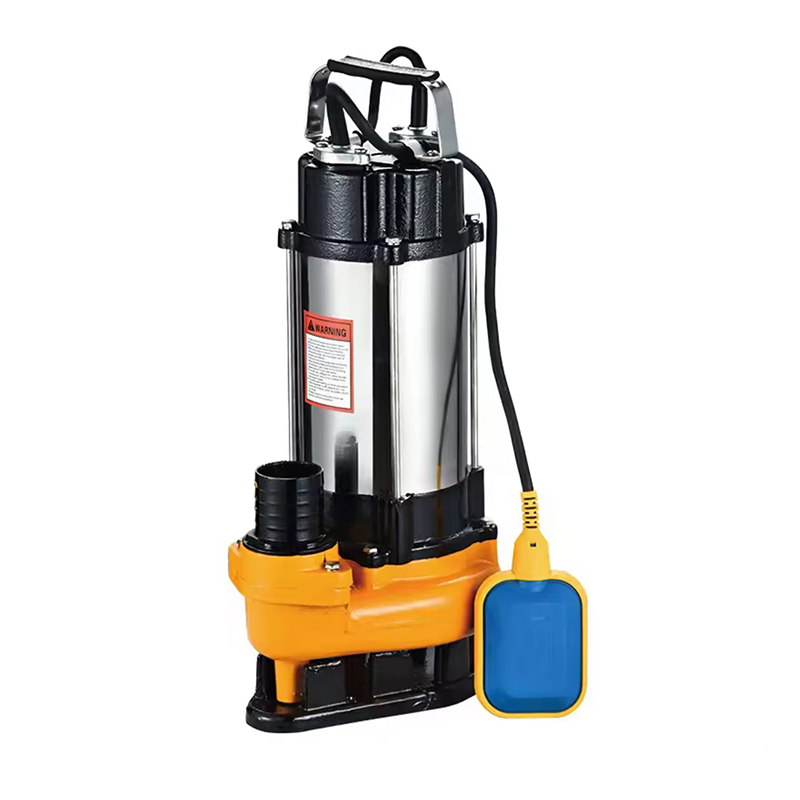
One of the most frequently encountered issues in sewage pumps is blockage. Solids, wet wipes, paper, or miscellaneous debris can accumulate in the impeller or pump chamber. Blockages may result in reduced water flow, slower drainage, or even complete pump stoppage. Regular inspection and cleaning of the pump chamber are therefore crucial to prevent downtime.
Another common concern is the float switch. If it malfunctions or becomes stuck, the pump may fail to start or stop at the correct water levels. This can lead to continuous operation, dry running, overload, or premature damage. Checking float switch functionality during routine maintenance helps avoid these problems.
Motor failure can also occur due to power supply issues, control circuit malfunctions, or mechanical damage. Additionally, seals and valves may corrode or age over time, resulting in leakage, reduced efficiency, and potential environmental contamination. Components such as impellers and bearings experience natural wear and tear. Without regular inspection or replacement, the pump may gradually lose performance or fail.
Importance of Proper Installation and System Matching
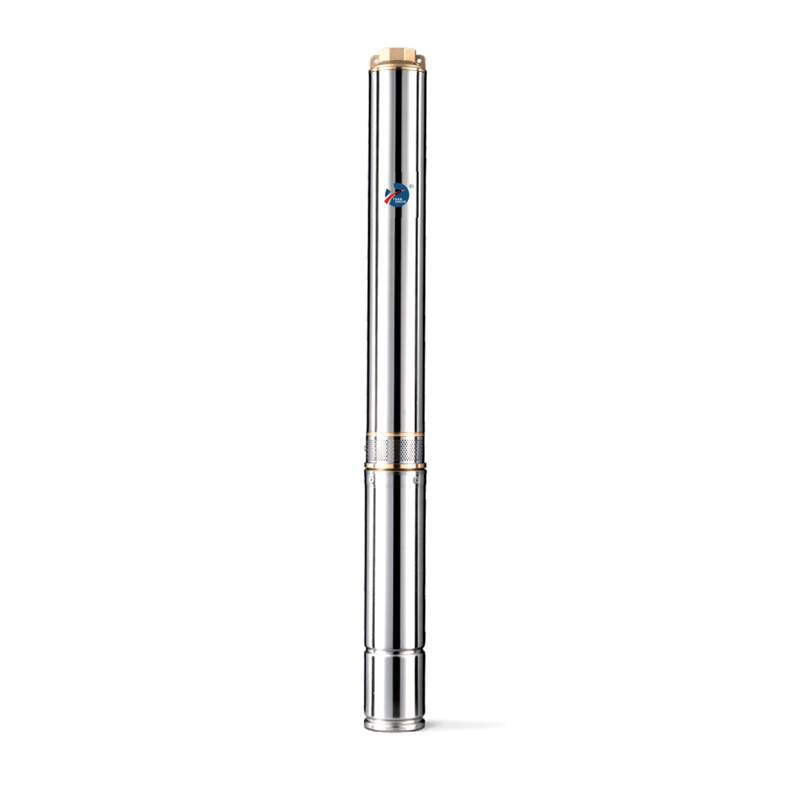
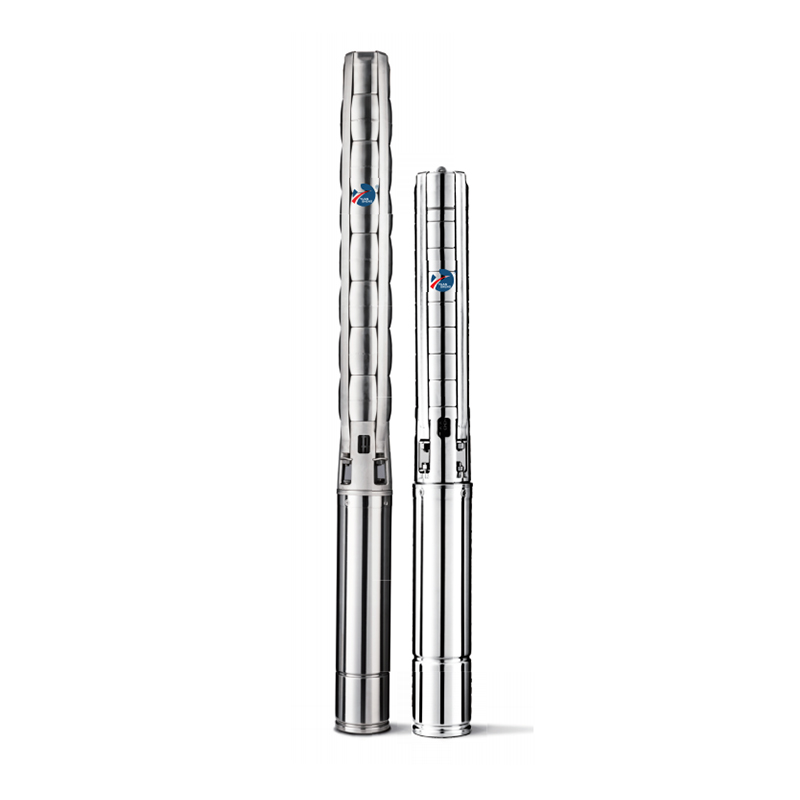
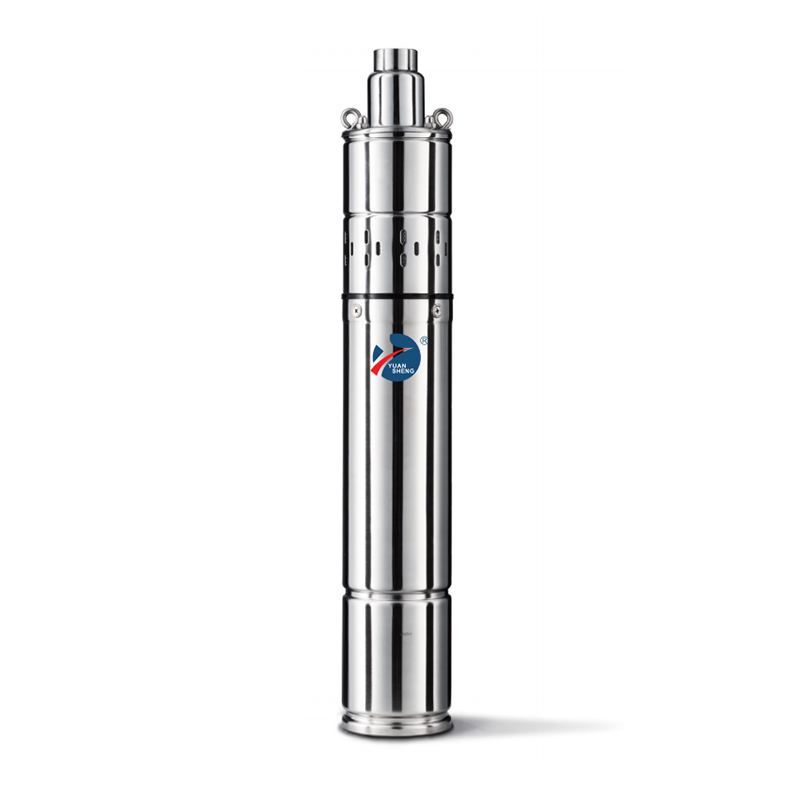
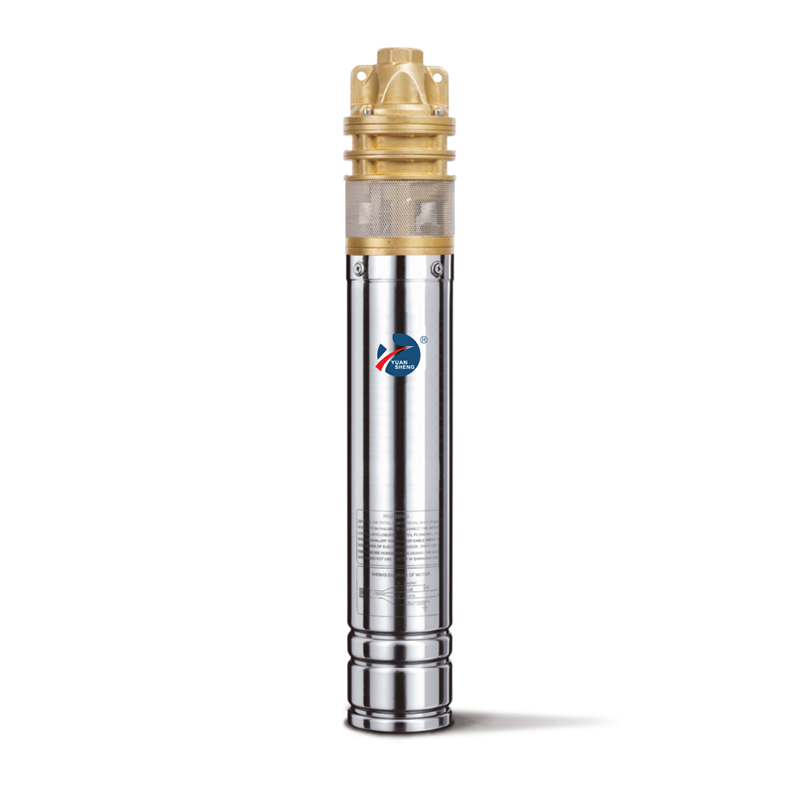
Choosing the correct pump type for a specific application is essential. Submersible pumps, pedestal pumps, and sump pumps serve different scenarios. For instance, submersible pumps are suitable for residential basement drainage or small-scale wastewater discharge, while pedestal pumps may be used for larger installations.
Improper installation can lead to operational issues. If pipeline slopes are incorrect, check valves or outlet valves are misconfigured, or discharge pipes are positioned too high or too low, backflow, blockage, or frequent cycling may occur. Matching the pump to the type of liquid being handled is equally important. Using a sewage pump for clean water, or vice versa, may expose the pump to solids, debris, or corrosive substances, reducing its service life.
Pump Selection Based on Application
Pump selection should consider both the scale and nature of the wastewater. For small-scale applications or residential basements, submersible or sump pumps generally suffice. However, for industrial wastewater, large volumes, or sewage containing substantial solids, grinder or chopper pumps are recommended. These pumps help reduce the risk of blockage and maintain stable operation.
If the wastewater contains persistent solids, fibers, or paper, non-clog pumps or pumps equipped with macerators are more appropriate. Such designs allow the pump to operate reliably over extended periods without frequent maintenance.
For applications requiring low noise, frequent cycling, or installations in confined spaces such as basements or building lower levels, submersible pumps offer significant advantages. Operating underwater, these pumps are quieter, occupy minimal space, and are less likely to be affected by surface obstructions.
Summary Table: Common Sewage Pump Considerations
| Consideration | Recommendation |
|---|---|
| Blockage Risk | Use grinder, chopper, or non-clog pumps |
| Water Type | Match pump to sewage vs. clean water |
| Installation | Ensure proper slope, valves, and discharge height |
| Noise & Space | Submersible pumps for low-noise, confined spaces |
| Maintenance | Inspect impellers, bearings, seals regularly |
| Volume & Solids | Choose pump capacity and type according to flow and solids |
Proper maintenance, correct installation, and careful selection of the pump type are key to achieving reliable sewage water management. By addressing these factors, users can extend pump life, and ensure efficient wastewater handling.