

 English
 中文简体
中文简体 عربى
عربىAs water quality and ecological balance become increasingly important, solar panel aerators are emerging as practical and sustainable solutions for ponds, lakes, aquaculture systems, and water treatment facilities. These systems provide a “grid-free” aeration option that relies entirely on solar energy, making them particularly suitable for remote or rural areas where access to conventional electricity is limited. But what benefits do solar aerators offer compared to traditional electric systems, and how can they improve water health?
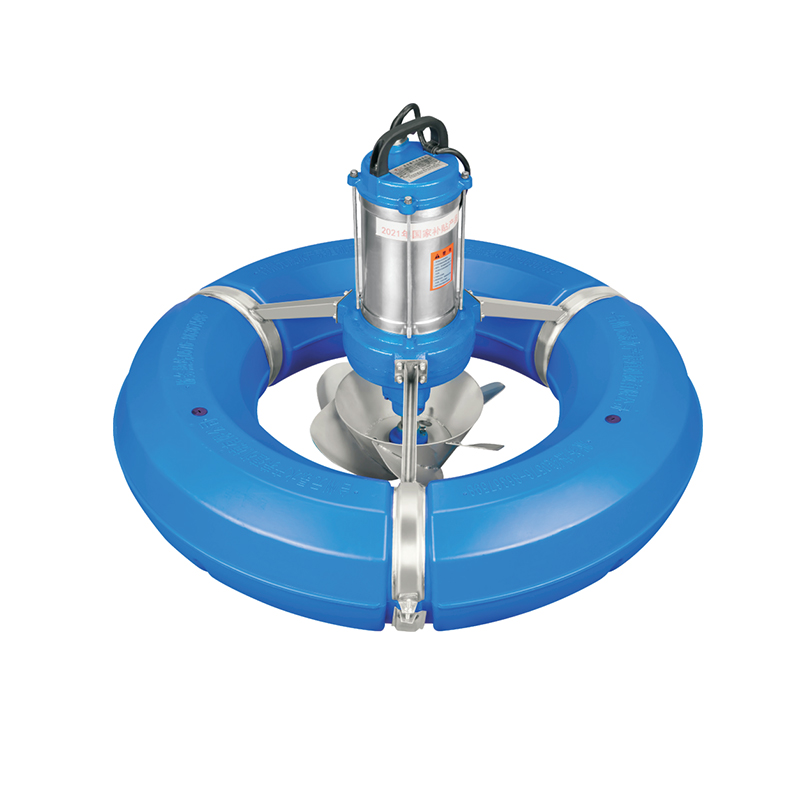
Grid-Free Aeration for Ponds, Lakes, and Aquaculture
One of the main advantages of solar panel aerators is their ability to deliver continuous oxygenation without relying on the electrical grid. In aquaculture and pond management, oxygen supply is essential for fish survival, microbial activity, and water circulation. Solar aerators convert sunlight into mechanical energy to power diffusers or aeration units, providing steady airflow throughout the day.
Compared with traditional electric aerators or diesel-powered generators, solar systems offer energy efficiency and environmental benefits. They reduce greenhouse gas emissions and minimize fuel consumption while maintaining consistent aeration performance. For regions lacking reliable electricity, solar aerators provide a cost-effective and eco-friendly alternative that can operate autonomously during daylight hours.
Improving Water Quality and Ecological Balance
Solar pond aerators enhance water quality by increasing dissolved oxygen levels, preventing stagnation, and mitigating risks of eutrophication. Continuous aeration promotes water circulation, limits algae growth, and helps break down organic matter. Reports indicate that proper aeration can also reduce sludge accumulation, control odors such as hydrogen sulfide, and maintain clearer water, all of which contribute to healthier aquatic ecosystems.
For aquaculture applications, the stability of oxygen supply supports fish growth and overall pond health. Similarly, in lakes and decorative water bodies, solar aerators help maintain ecological balance while preserving aesthetic water quality.
Flexible System Configurations
Modern solar aerator systems often include battery backup, allowing them to operate briefly during cloudy periods or at night, ensuring that oxygen levels remain sufficient for aquatic life. Many systems are modular, supporting multiple diffusers or air outlets, which allows customization according to pond size, water depth, and oxygen demand.
| Feature | Benefit |
|---|---|
| Battery backup | Maintains oxygen supply during low sunlight |
| Modular diffusers | Adaptable to small ponds or multi-acre lakes |
| Adjustable airflow | Optimizes aeration for varying water conditions |
| Minimal wiring | Easy installation in remote or off-grid areas |
These flexible configurations make solar aerators suitable for diverse scenarios, ranging from small backyard ponds to larger aquaculture farms or community water bodies.
Low Maintenance and Ease of Operation
Another appealing aspect of solar aerators is their simplicity and low maintenance. Installation is straightforward, often requiring minimal wiring and no specialized tools. Because the systems are oil-free and mechanically simple, daily maintenance is limited to basic inspections.
In addition, solar aerators operate quietly, making them suitable for residential or recreational water bodies where noise may be a concern. The combination of low operating costs, minimal maintenance, and environmentally friendly energy sources positions solar aerators as practical solutions for both small-scale and commercial water management.
Conclusion
Solar panel aerators offer a sustainable and reliable approach to water aeration, particularly in locations without access to conventional electricity. By providing continuous oxygenation, improving water quality, and supporting aquatic life, they address both ecological and operational challenges. With modular design, battery backup, and low maintenance requirements, solar aerators are increasingly recognized as practical investments for pond owners, aquaculture operators, and water management facilities seeking cost-effective, environmentally conscious solutions.