

 English
 中文简体
中文简体 عربى
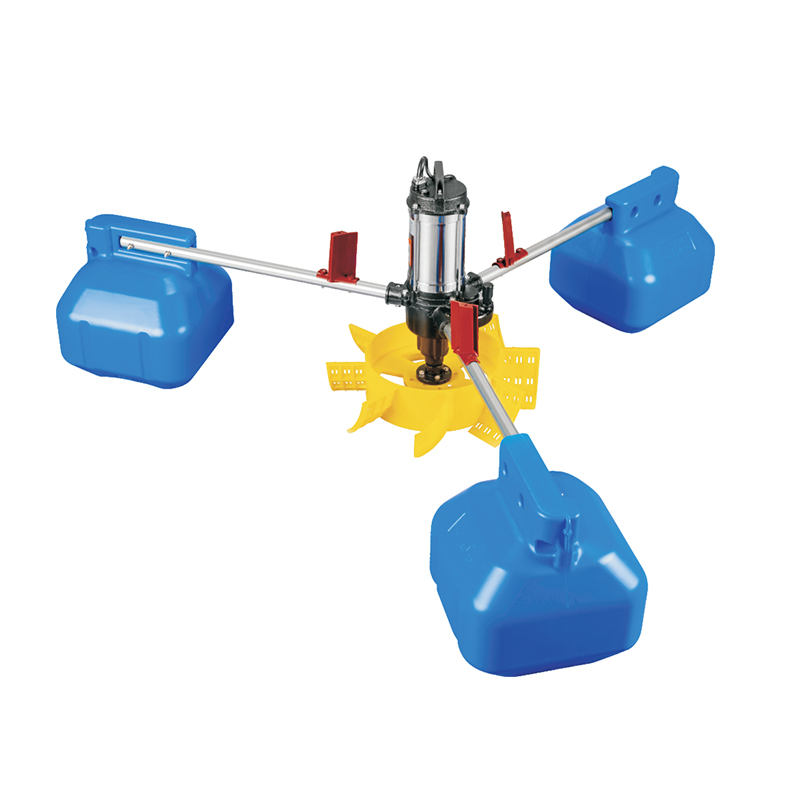
عربىPaddle wheel aerators have become essential tools in water management, aquaculture, and ecological restoration. Designed to improve oxygenation and water circulation, these aerators help maintain healthy aquatic ecosystems while supporting wastewater treatment and pollution control. But how do paddle wheel aerators perform across different applications, and what considerations should users keep in mind when selecting and operating them?
Applications Across Aquaculture, Wastewater, and Ecological Restoration
Paddle wheel aerators are widely used in fish and shrimp ponds, providing surface agitation that increases dissolved oxygen and prevents stagnant zones. Adequate oxygen levels are critical for aquaculture, as they directly influence fish and shrimp growth, survival, and overall water quality. According to industry reports, properly aerated ponds experience lower mortality rates and improved feed conversion efficiency.
Beyond aquaculture, paddle wheel aerators play a significant role in wastewater treatment and ecological restoration. In oxidation ditches, aeration basins, and constructed wetlands, these devices enhance oxygen supply, stimulate beneficial microbial activity, and accelerate organic matter breakdown. In lakes, rivers, and community water bodies, aerators help restore aquatic ecosystems by supporting fish populations, aquatic plants, and overall water circulation.
Key Considerations and Limitations
While paddle wheel aerators are effective in many scenarios, some limitations should be considered. For deep ponds or lakes, aeration efficiency decreases with depth. Since these aerators primarily agitate surface and shallow water layers, bottom water may remain low in oxygen. Users managing deep water bodies may need multiple aerators or complementary aeration systems to ensure sufficient oxygen throughout the water column.
Energy consumption is another factor. Depending on the aerator’s size and power, electricity usage can be significant. Facilities should evaluate energy efficiency and consider variable speed or modular systems to balance oxygenation with operational costs.
Noise and water splashing can also be considerations, especially in residential or public areas. Paddle wheel movement can generate audible sound and surface waves, which may affect nearby structures or recreational areas. Selecting models with reduced noise levels or installing sound-dampening solutions can help mitigate these effects.
FAQs About Paddle Wheel Aerators
Q1: Can a single paddle wheel aerator cover large ponds or lakes?
A1: For small to medium ponds, a single aerator may suffice. Larger water bodies often require multiple units or combined aeration technologies to maintain uniform oxygen distribution.
Q2: Are paddle wheel aerators suitable for deepwater applications?
A2: They primarily improve oxygen in surface and shallow layers. For deepwater oxygenation, additional aeration techniques may be needed, such as diffused air systems or deepwater mixers.
Q3: How often should these aerators be maintained?
A3: Maintenance is typically low but regular inspection of paddles, motor components, and mounting structures is recommended. Cleaning debris and checking bearings can prevent downtime.
Q4: Can paddle wheel aerators help control algae growth?
A4: Yes, by improving water circulation and oxygen levels, aerators reduce stagnation, limit nutrient accumulation, and indirectly help control harmful algae blooms.
Conclusion
Paddle wheel aerators provide reliable oxygenation and water circulation for aquaculture, wastewater treatment, ecological restoration, and public water management. They enhance dissolved oxygen, support microbial activity, and promote healthier ecosystems. Users should consider water depth, aerator coverage, energy consumption, and site-specific requirements to maximize benefits. By selecting suitable models and maintaining them properly, paddle wheel aerators can contribute to sustainable water management and improved water quality across diverse environments.