

 English
 中文简体
中文简体 عربى
عربىIn recent years, the use of the Float Type Aerator has steadily expanded across aquaculture, water quality management, and ecological restoration projects. Unlike compressed air diffusion systems, float type aerators operate directly on the water surface and rely on mechanical action to improve dissolved oxygen (DO) levels. Their relatively simple structure and flexible deployment make them suitable for a wide range of water environments.
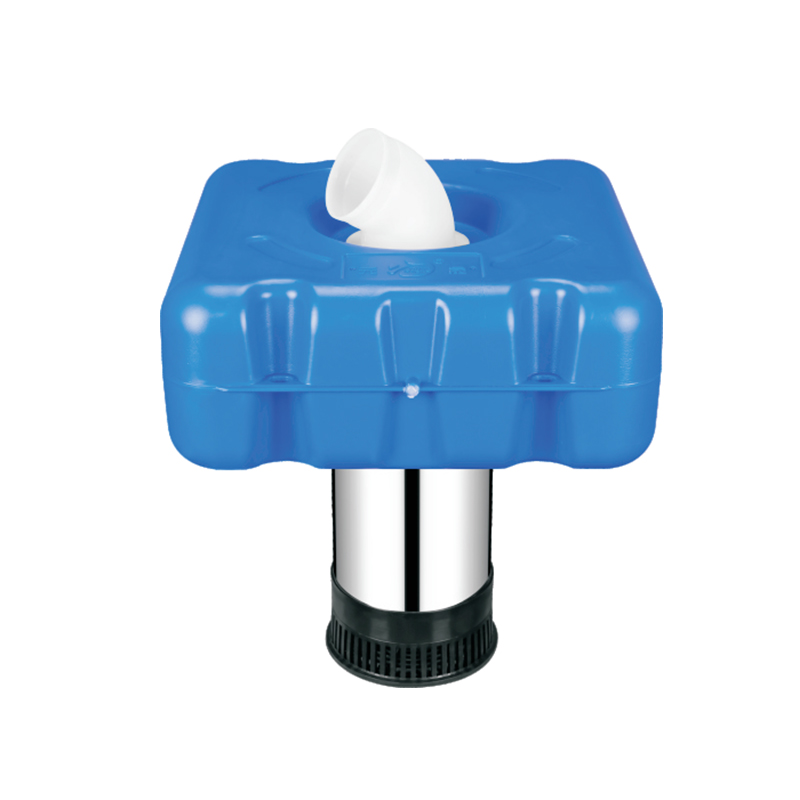
At its core, a float type aerator floats on the surface and uses an impeller or pump to draw water upward, creating surface agitation, water spray, or fine bubbles. This process increases the contact area between air and water, allowing oxygen to dissolve more effectively. In addition to improving oxygen levels, this surface-based operation helps promote water circulation and reduce stratification between warmer surface layers and cooler bottom layers. Compared with compressed air systems that require blowers, pipelines, and diffusers, float type aerators are easier to install, involve fewer components, and generally require less ongoing maintenance.
Key Factors to Consider When Selecting a Float Type Aerator
- Power Output and Water Coverage
Power rating, usually expressed in kilowatts (kW) or horsepower (HP), is one of the first parameters to evaluate. The appropriate power depends on the surface area, depth, and overall volume of the water body. Larger ponds or reservoirs require higher power to ensure sufficient circulation and oxygen distribution, while smaller ponds can operate efficiently with lower power units. Selecting power that matches actual conditions helps balance performance and energy use.
- Oxygen Transfer Efficiency
Oxygen transfer efficiency is a key indicator of how effectively an aerator converts electrical energy into dissolved oxygen. Designs that optimize impeller geometry and water spray patterns can deliver more oxygen per unit of power consumed. In practice, higher efficiency contributes to stable oxygen levels while helping control long-term operating costs, which is especially important in applications with continuous operation.
- Automation and Monitoring Capabilities
Many modern float type aerators are compatible with automatic control systems. These may include dissolved oxygen sensors, timers, or remote monitoring options that allow operators to adjust aeration based on real-time water conditions. While not essential for every project, automation can improve consistency, reduce manual intervention, and support more precise water quality management.
- Installation and Maintenance Considerations
Ease of installation is a major advantage of float-type aerators. Most models can be deployed directly onto the water surface without complex civil work or underwater piping. Maintenance requirements should also be assessed, including accessibility to moving parts, ease of cleaning, and inspection intervals. Equipment designed for simple maintenance often delivers lower total ownership costs over its service life.
- Material Selection and Durability
Material quality plays a critical role in long-term performance. In outdoor or harsh environments, corrosion-resistant materials such as stainless steel components and UV-stabilized plastics help extend service life. This is particularly important for applications involving seawater, high humidity, or prolonged sun exposure.
Recommended Product
A representative example of these selection principles is the floating oxygenator designed for seawater use by Taizhou Yuansheng Aquaculture Machinery Co., Ltd. This float type aerator operates on the water surface and supports consistent oxygenation and circulation in both marine and freshwater environments. Its straightforward deployment reduces installation complexity, while its structural design promotes effective water movement and improved oxygen transfer.
The equipment is built with materials suitable for demanding conditions, supporting stable operation in aquaculture ponds, lakes, and environmental water management projects. By combining appropriate power configuration, efficient oxygen delivery, and durable construction, it reflects the key factors many users consider when selecting a float-type aerator.
Choosing the right Float Type Aerator ultimately depends on understanding the specific characteristics of the water body and operational goals. By carefully evaluating power requirements, oxygen transfer efficiency, control options, maintenance needs, and material durability, users can select equipment that supports reliable oxygenation and long-term water quality improvement.