

 English
 中文简体
中文简体 عربى
عربىIn many homes, water use feels simple. Turn on a tap, use it, and everything disappears from sight. Behind that routine, however, wastewater is always moving through pipes, bends, and hidden channels inside the building.
Most of the time, gravity does the work quietly. Water flows downward and exits the house without attention. But not every home is built in a way that supports smooth natural flow. Some areas sit lower than the main drainage line. Some layouts are more compact than expected. In those situations, wastewater does not always move out as easily as people assume.
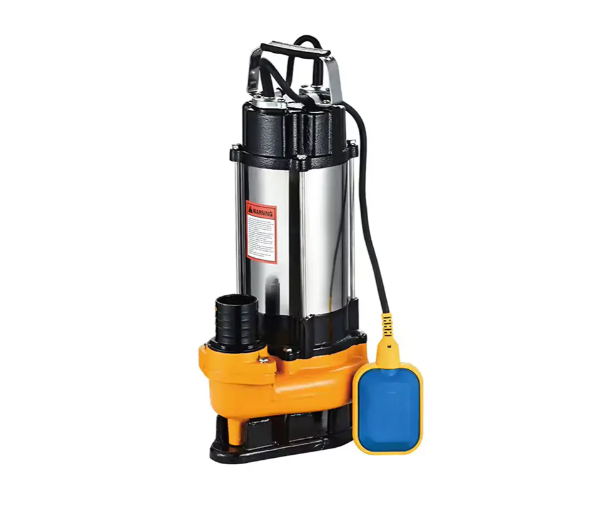
A sewage pumps for domestic use becomes useful in these conditions. It supports water movement when gravity alone is not enough. Instead of changing how people use water, it helps adjust how wastewater leaves the system.
Why Do Drainage Problems Appear In Everyday Homes?
Household drainage trouble almost never happens out of nowhere. Most issues build up slowly from small‑scale changes over the years.
Many homes have bathrooms built in basements or lower levels, laundry rooms added during later renovations, or kitchen sinks repositioned farther away from the main sewer line than originally planned.
Each of these layout tweaks seems harmless on its own. But when combined, they force wastewater to travel longer distances or even uphill to get out of the home.
When water can't flow freely through the pipes, its movement slows down. You might not spot the difference at first, but over time this turns into slow‑draining sinks or occasional water backing up.
A sewage pump fixes this uneven flow by actively pushing wastewater through the pipe system at a steady rate.
How Does It Help With Basement Water Challenges?
Basements are where drainage problems show up most often in regular homes.
These areas usually hold utility sinks, washing machines, or small full bathrooms that generate plenty of wastewater. The big issue is that they sit lower than the main household sewer outlet.
Without extra pumping power, water gathers or drains extremely slowly, making daily use of the basement inconvenient.
A sewage pump gathers wastewater inside a compact holding tank, then pushes it upward into the main home drainage line. This lets basement rooms work just like any upper‑floor space for water‑using appliances and fixtures.
It also cuts down on frequent manual mopping and cleanup work that becomes tiring over time.
Can It Reduce Slow Drainage In Kitchens And Bathrooms?
Slow‑draining sinks are one of the most annoying everyday home issues, and they're not always caused by serious pipe damage. More often, they simply mean natural water flow is too weak.
Kitchen drains deal with leftover food bits and grease buildup, while bathroom pipes collect soap scum and loose hair from regular washing. All of this slowly slows water movement inside the piping.
When flow is already sluggish, gunk settles even more easily along pipe walls, creating extra blockage resistance and making the problem worse.
A sewage pump boosts overall flow speed and consistency. By keeping water moving steadily through pipes, it lowers the chance of grime building up and sticking inside.
It won't get rid of the need for regular cleaning and maintenance entirely, but it eases pressure on the whole drainage network and prevents early‑stage clogging.
How Does It Improve Daily Household Comfort?
n busy family homes, water use happens non‑stop throughout the day: morning showers, dishwashing, laundry loads and general cleaning often run at the same time.
Even slightly slow drainage becomes really obvious during these peak‑use times.
Water lingers longer in sinks and floor drains, and sometimes even backs up briefly before slowly draining away.
A sewage pump smooths out these high‑demand moments. It keeps wastewater moving reliably even when multiple water‑using fixtures run all at once.
The change might not feel dramatic at first, but it brings a steady, hassle‑free routine to everyday home life.
What Role Does It Play In Preventing Odor Issues?
Bad smells coming from home drains are mostly caused by water that sits still for too long. Sewage pumps help stop this problem in several straightforward ways:
Eliminating stagnant wastewater
Foul odors build up mainly when leftover water stays trapped inside pipes or holding areas. Slow‑flow drainage systems are especially prone to this issue. The pump pushes water through the system quickly, so waste never sits long enough to start smelling.
Keeping steady water movement
Places with weak or inconsistent natural water flow tend to develop bad odors easily. A sewage pump creates constant movement inside the drainage line, stopping waste from pooling in low‑spots of the piping.
Reducing long‑term buildup
By moving wastewater out faster, the pump cuts down on organic matter sitting inside the pipes. Less stagnant material means fewer bacteria and gases that cause unpleasant smells around sinks and drains.
Maintaining overall system stability
When water doesn't linger in one spot for hours or days, the whole drainage setup stays fresher. Regular, steady flow naturally keeps bad odors from forming in everyday household use.
Can It Help In Renovated Or Modified Homes?
Home layouts are not always fixed. Renovation projects often change the position of bathrooms, kitchens, or laundry areas.
Sometimes these new locations are not aligned with the original drainage design. Pipes may not follow the same direction, or gravity flow may no longer be sufficient.
In these cases, a sewage pump provides flexibility. It allows wastewater to be moved even when natural slope conditions are not ideal.
This makes it easier to adapt existing buildings to new layouts without major structural changes.
How Does It Support Multi-Use Water Systems?
Modern homes often use multiple water points at the same time. A washing machine might run while someone is showering. A kitchen sink might be used during laundry cycles.
When several outlets discharge water together, drainage systems can become temporarily overloaded.
A sewage pump helps manage this pressure. It collects wastewater and moves it forward in a controlled way, instead of allowing it to accumulate inside pipes.
This helps maintain more balanced flow even during busy usage periods.
What Happens When There Is No Pump Support?
Without support in low-drainage areas, several issues can appear gradually.
Water may drain slowly from sinks or floor outlets. In lower areas like basements, water may collect after repeated use. Pipes may feel strained during high usage periods.
Below is a simple comparison of common household situations:
| Situation | Without Pump Support | With Sewage Pump Support |
|---|---|---|
| Basement drainage | Water collects slowly | Water is lifted efficiently |
| Kitchen flow | Occasional slow drainage | More stable water movement |
| Multi-use peak periods | Temporary backup risk | Balanced discharge |
| Pipe condition over time | More buildup risk | Reduced stagnation |
| Odor presence | Higher chance of smell | Lower chance of stagnation |
How Does It Fit Into Modern Living Spaces?
Modern living spaces are designed with flexibility in mind. Rooms are arranged for convenience rather than strict structural limitations.
This sometimes creates drainage challenges that traditional gravity systems cannot handle easily.
A sewage pump allows designers and homeowners to use space more freely. Bathrooms or laundry areas can be placed in locations that were previously difficult from a drainage perspective.
It quietly supports these design choices without changing how daily life feels.
Why Is It Becoming More Common In Residential Use?
As homes become more compact and multifunctional, drainage systems need to adapt.
People are also using water more frequently throughout the day. This increases demand on household plumbing systems.
A sewage pump helps manage these conditions by supporting steady wastewater movement.
It is not about adding complexity. It is about keeping everyday water use smooth, even when home layouts are not perfectly aligned with traditional drainage paths.
Final Perspective On Its Role In Home Systems
A domestic sewage pump is often unnoticed until it is needed. It works behind the scenes, supporting water movement in areas where gravity alone is not enough.
It helps manage slow drainage, basement water challenges, multi-use pressure, and odor-related issues. It also supports modern home layouts that do not always follow traditional drainage design.
In practical terms, it acts as a support layer in household water systems, keeping wastewater moving steadily and reducing small but repeated disruptions in daily use.