

 English
 中文简体
中文简体 عربى
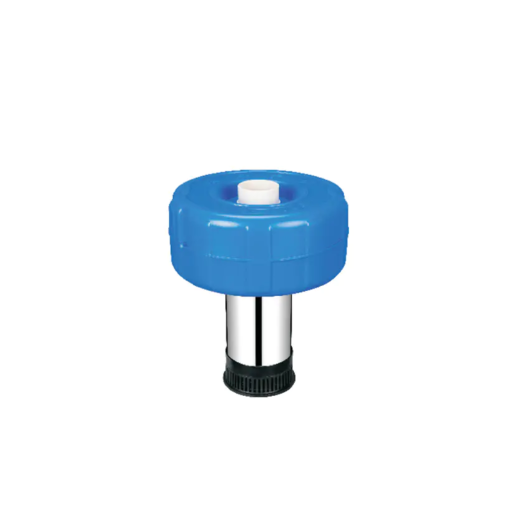
عربىFloat Type Aerator are widely used in pond and aquaculture environments because they support water movement and oxygen distribution from a mobile position on the water surface. Their floating structure allows flexible placement and continuous surface interaction. Over time, however, long-term use can bring a series of practical challenges that affect performance, stability, and maintenance needs.
These issues do not appear suddenly. They often develop gradually through repeated operation, environmental exposure, and changing water conditions. Understanding them helps explain how equipment behavior shifts over time.
Why Does Long-Term Exposure Affect Float Type Aerators?
Float aerators remain in direct contact with water, air, sunlight, and changing weather conditions. This constant exposure influences both structure and function.
Water movement around the device creates continuous physical contact. Sunlight affects surface materials. Temperature shifts expand and contract components. Over time, these small influences accumulate.
Even if the aerator continues working, its operating condition may slowly change. Movement may become less smooth. Surface parts may show signs of wear. These changes are gradual rather than sudden.
What Structural Wear Can Develop Over Time?
One of the most common long-term issues is structural wear. Float aerators rely on a combination of floating support and mechanical movement.
Floating components may gradually lose firmness. This affects balance on the water surface. When stability changes, the aerator may tilt slightly during operation.
Rotating or moving parts can also experience wear. Repeated motion in a wet environment creates gradual surface changes. This may lead to uneven movement patterns.
Connection points between parts may loosen slightly over time. This does not immediately stop operation but can reduce consistency in movement.
Structural wear is usually slow, making it easy to overlook until performance differences become noticeable.
How Does Water Quality Influence Long-Term Operation?
Water conditions vary across different ponds. Sediment, organic material, and natural particles interact with equipment over time.
These elements can attach to moving parts or surfaces. When buildup occurs, movement may feel less smooth. Circulation patterns may also shift slightly.
In environments with higher organic activity, buildup can happen more quickly. This does not stop operation but may require more frequent attention.
Water quality also influences how surfaces age. Constant contact with different water conditions gradually changes material behavior.
What Happens to Floating Stability Over Time?
Floating stability is essential for consistent aerator performance. The device must remain balanced on the water surface to function properly.
Over long periods, buoyancy components may experience gradual change. Small shifts in balance can occur. These shifts may not be visible immediately but can affect movement patterns.
Uneven loading is another factor. If certain parts become heavier due to buildup or water retention, balance may shift slightly.
When stability is affected, surface movement becomes less predictable. This can influence how water circulation spreads across the pond.
How Do Mechanical Movements Change with Extended Use?
Float aerators rely on repeated motion to move water. This continuous activity places steady demand on internal mechanisms.
Over time, movement may become less uniform. Instead of smooth rotation or flow, slight variation can appear in rhythm.
This change is often gradual. It does not mean the system stops working. Instead, it reflects natural wear from continuous operation.
In some cases, movement may require more energy to maintain the same output pattern. This is a sign of internal resistance increasing over time.
What Maintenance Challenges Appear in Long-Term Use?
Maintenance becomes more important as usage time increases. However, challenges often arise from access and timing.
Since float aerators operate on water surfaces, reaching them for inspection may require additional effort. This can delay routine checks.
Some components may be partially submerged or in motion during operation. This makes detailed inspection more complex.
Over time, small issues may accumulate if not observed early. These may include minor imbalance, surface buildup, or reduced movement smoothness.
Maintenance is not always about repair. It is often about restoring consistent operation through cleaning and adjustment.
How Does Environmental Change Affect Performance?
Pond environments are not static. Seasonal changes, water level shifts, and weather patterns all influence aerator behavior.
Wind can affect surface movement patterns. Rain can alter water level and flow direction. Temperature changes can influence water density and circulation.
These external factors interact with aerator movement. Over time, the equipment adapts to changing conditions, but performance patterns may shift slightly.
Environmental variation does not damage the system directly, but it influences how the system behaves over long periods.
What Signs Indicate Reduced Efficiency?
Changes in efficiency often appear gradually. They may not be obvious at first glance.
Water circulation patterns may feel less uniform. Areas of still water may appear more frequently. Surface movement may seem less active in certain zones.
Sound or vibration changes may also indicate differences in operation. These are subtle signals rather than clear warnings.
Efficiency changes do not always mean failure. They often reflect combined effects of wear, environment, and long-term operation.
Below is a simple overview of common long-term observations:
| Observation Area | Early Condition Pattern | Long-Term Change Pattern | |
|---|---|---|---|
| Surface movement | Even and steady | Slight variation in flow spread | |
| Floating balance | Stable position | Small tilt or shift over time | |
| Mechanical motion | Smooth rhythm | Gradual irregularity | |
| Water circulation | Wide distribution | Reduced reach in some zones |
How Do Material Conditions Change Over Time?
Materials used in float aerators are exposed to continuous environmental pressure. Water contact, sunlight exposure, and repeated movement all contribute to gradual change.
Surface texture may become less uniform. Smooth areas may show slight roughness over time. These changes are often slow and depend on operating conditions.
Material flexibility may also shift slightly. Components may respond differently to stress after long use.
These changes do not always affect basic operation immediately, but they influence long-term consistency.
What Role Does Continuous Operation Play in Long-Term Behavior?
Many float aerators operate for extended periods. Continuous operation supports stable water conditions but also creates steady mechanical demand.
Long-term use means parts are rarely at rest. This constant motion contributes to gradual wear patterns.
The balance between operation and rest is an important factor in system behavior. Continuous activity supports water movement but also defines how quickly changes appear over time.
Understanding this balance helps explain why performance evolves rather than remaining static.
Float type aerators remain important tools in water circulation systems, but their long-term use brings natural changes in structure, movement, and interaction with the environment. These changes develop slowly through continuous exposure and operation, shaping how the system behaves across extended periods.