

 English
 中文简体
中文简体 عربى
عربىFish farming depends on more than feed, water, and suitable growing conditions. The movement of air into water also has a place in daily aquaculture management. When fish live in a shared water environment, the condition of that environment can change as feeding, stocking, water movement, and other routine activities take place.
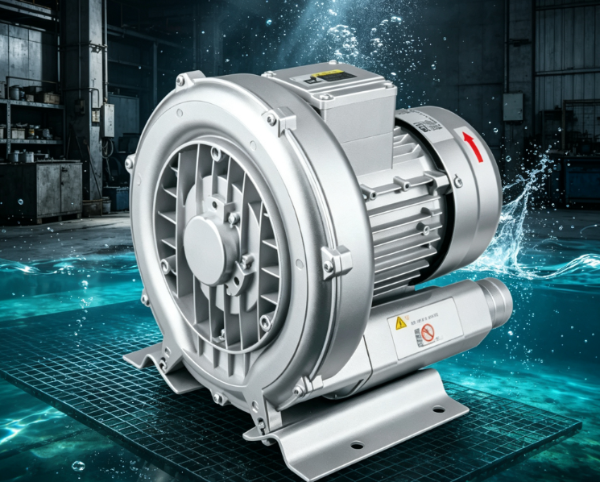
This is where an Air Blower for Fish Farming can become part of the working system. Rather than treating aeration as an isolated task, many aquaculture operations look at how air movement fits into the wider management of the pond, tank, or other growing space.
An air blower moves air through a connected aeration arrangement so that air can enter the water. The process supports gas exchange and helps maintain an environment in which fish can continue their normal activities.
The role may appear simple. The planning behind it is not always simple. Air has to reach the water in a useful way. The arrangement needs to suit the farming environment. Daily operation also needs to fit with other management practices.
As fish farming continues to develop, attention is moving from individual pieces of equipment toward how different parts of an aquaculture system work together. Air blowers are part of this wider change.
Why Does Oxygen Management Matter in Fish Farming?
Fish depend on dissolved oxygen in the water around them. They take oxygen from the water through their gills, so the condition of the water has a direct relationship with their daily living environment.
Oxygen levels are not always constant. Water temperature, fish activity, organic material, feeding practices, water circulation, and stocking conditions can all influence the balance. This means oxygen management is not simply a matter of adding air at one moment and ignoring the water afterward.
Aeration can support the movement of oxygen from the air into the water. At the same time, water movement created by aeration can help distribute oxygen through the growing area. The actual effect depends on the overall system and how the equipment is arranged.
This makes air management an ongoing part of aquaculture planning.
| Aquaculture Concern | Role of Air Movement |
|---|---|
| Water Oxygen Management | Helps introduce air into the water |
| Water Movement | Supports circulation within the growing area |
| Fish Activity | Helps maintain a suitable aquatic environment |
| Daily Operation | Provides an additional part of routine water management |
| System Planning | Connects aeration with the layout of the farming space |
The importance of oxygen management also changes with the type of farming environment. A pond, tank, indoor facility, or other aquatic space may have different circulation patterns and operating needs.
For this reason, an air blower should not be considered separately from the environment where it will be used.
How Does an Air Blower for Fish Farming Support Aeration?
An Air Blower for Fish Farming works by moving air into an aeration system. The air is then introduced into the water through suitable outlets or distribution components.
Once air enters the water, bubbles and water movement can help increase contact between air and water. This creates an opportunity for oxygen to move into the aquatic environment.
The process is easy to understand when viewed from the water rather than from the machine itself. The blower is located outside the water, but its influence can be seen through what happens inside the growing area.
The air path matters. If air does not move through the system as intended, the aeration effect may not be distributed evenly. Placement, connection, outlet arrangement, and the shape of the farming space can all influence how air reaches the water.
This is why equipment selection and system design are closely connected.
A blower may provide the air movement, but the complete aeration arrangement determines how that movement is used. The relationship between these parts is especially important when a farming space has areas where water movement is naturally weaker.
What Factors Influence Oxygen Distribution in Aquaculture?
Oxygen does not automatically spread evenly throughout every aquatic environment. Water movement has a major role in how air introduced in one area affects another part of the system.
The shape of a pond or tank can influence circulation. Obstacles inside the space may change water movement. Fish activity can also affect how oxygen is used. Organic material and other conditions may place additional demands on the water environment.
This creates several practical considerations for fish farmers.
1. The Layout of the Growing Area
The physical shape of a farming area influences how water moves. A simple layout may allow air to spread more naturally, while a more complicated arrangement may require greater attention to the location of aeration points.
2. The Position of Aeration Equipment
Where air enters the water can affect how it is distributed. Positioning should be considered together with the movement of water rather than treated as a separate decision.
3. The Condition of the Water
Water quality and oxygen management are connected. When the water contains more organic material or experiences changes in activity, oxygen demand can also change.
4. Daily Farming Activities
Feeding, cleaning, water exchange, and other routine activities can influence the aquatic environment. Aeration planning needs to fit into this daily rhythm.
These factors show why an air blower is not simply a machine that is switched on and left alone. Its role depends on how it interacts with the rest of the farming environment.
Could Better Air Distribution Change Fish Farming Practices?
Air distribution is becoming an important part of how aquaculture systems are viewed. Instead of asking only whether a blower can supply air, farmers may also consider how that air reaches different parts of the growing area.
This shift can change the way aeration systems are planned.
A well-considered arrangement looks at the complete route from the blower to the water. The air source, connecting lines, distribution points, and aquatic space all have a relationship with one another.
This broader view can help farmers identify areas where air movement may be uneven. It can also encourage more attention to water circulation.
For example, an aeration point placed in one part of a tank may create noticeable movement nearby while having less influence farther away. Another arrangement may spread air through several areas. The suitable approach depends on the shape and use of the farming space.
The purpose is not simply to create visible bubbles. What matters is how the air movement contributes to the aquatic environment.
This distinction is useful because bubbles can make aeration easy to see, but visible activity does not always describe the full condition of the water.
Air distribution therefore becomes part of system planning rather than just equipment operation.
How Can Fish Farmers Approach Air Blower Selection?
Choosing an air blower for fish farming involves more than looking at the equipment itself. The farming environment should remain at the center of the decision.
Several questions can help organize the selection process.
| Consideration | Question to Ask |
|---|---|
| Farming Environment | Where will the blower be used? |
| Water Space | How is the pond or tank arranged? |
| Air Distribution | Where does air need to enter the water? |
| Operating Routine | How will aeration fit into daily management? |
| Maintenance | Can the equipment be checked and maintained conveniently? |
| System Connection | Does the blower fit the rest of the aeration arrangement? |
| Working Environment | Can the equipment operate suitably in its intended location? |
The physical environment deserves particular attention. Outdoor farming may expose equipment to changing weather conditions, while indoor systems may have different space and ventilation considerations.
Maintenance is another practical issue. An aeration system is part of everyday fish farming, so access for inspection and routine care can affect how convenient the system is to manage.
The blower should also be considered as part of the whole arrangement. A suitable air source does not automatically create a suitable aeration system if the distribution network is poorly matched to the farming space.
This is why purchasing decisions are often easier when the complete application is considered before the equipment is selected.
Why Is Water Circulation Closely Connected With Aeration?
Aeration and circulation are different functions, but they can influence each other.
When air enters the water, rising bubbles can create movement around them. This movement may help water travel through different parts of the growing space. As a result, aeration can have an effect beyond the immediate area where air enters.
Water circulation also affects how oxygen is distributed. Water that remains relatively still may not exchange gases in the same way as moving water. This makes circulation an important part of the wider oxygen management picture.
The relationship can be viewed through a simple chain:
Air Movement → Water Movement → Gas Exchange → Oxygen Distribution
This does not mean every aeration system will produce the same result. The outcome depends on the physical arrangement, water conditions, and operating practices.
Still, the connection is useful when planning an aquaculture system.
It also explains why the location of an air blower and its distribution points deserves attention. The equipment may be outside the pond or tank, but its working role continues through the water.
What Role Does Aeration Play in Different Fish Farming Environments?
Fish farming does not take place in one standard type of setting. Different operations may use ponds, tanks, indoor systems, nursery areas, or other controlled growing spaces.
Each environment creates a different relationship between air, water, fish, and equipment.
In ponds, the open water area and natural circulation patterns can influence aeration planning. Equipment placement may need to account for the shape of the pond and areas where water movement is limited.
In tanks, the structure of the container becomes more important. Walls, corners, partitions, and water inlets can affect circulation. Air distribution therefore needs to be considered together with tank design.
Indoor aquaculture can introduce another set of considerations. Space, equipment access, ventilation, noise, and surrounding working conditions may become part of the planning process.
Smaller growing areas can also require careful attention. A compact space does not necessarily mean that aeration planning is simple. Air still needs to be distributed in a way that suits the water environment.
| Farming Environment | Aeration Planning Focus |
|---|---|
| Outdoor Ponds | Water Area, Circulation, Equipment Location |
| Fish Tanks | Tank Shape, Water Movement, Air Distribution |
| Indoor Systems | Space, Access, Surrounding Equipment |
| Nursery Areas | Growing Conditions and Water Management |
| Mixed Aquaculture Spaces | Different Water Environments and Operating Routines |
This variety is one reason a general approach to air blower selection may not suit every fish farming application.
Could Air Blowers Become More Closely Linked With Aquaculture Planning?
The role of an air blower can be viewed as part of a larger movement toward more connected aquaculture management.
Modern fish farming involves many activities that influence one another. Feeding affects water conditions. Water movement affects distribution. Cleaning affects the surrounding environment. Stocking affects oxygen demand. Aeration interacts with several of these processes.
An air blower therefore sits within a network of daily decisions.
This perspective can also change how equipment is discussed. Instead of focusing only on the machine, attention can move toward the problem the equipment is intended to address.
For fish farmers, that may mean asking where oxygen needs to be managed, how water moves through the farming space, and how the aeration arrangement fits into routine work.
For equipment designers, it may mean paying greater attention to connection, placement, access, and integration.
For buyers, it may mean looking beyond a product name and considering the actual application.
The Air Blower for Fish Farming is therefore becoming part of a broader conversation about how air movement supports the relationship between equipment and water. Its value in an aquaculture system is closely tied to how thoughtfully the complete environment is planned and managed.