

 English
 中文简体
中文简体 عربى
عربىPaddle Wheel Aerator Solar are appearing more often around ponds and small aquaculture sites. The setup looks simple from a distance. A floating frame, rotating paddles, and a solar panel positioned nearby. In practice, installation is less about assembling parts and more about understanding how water, sunlight, and movement work together in one system.
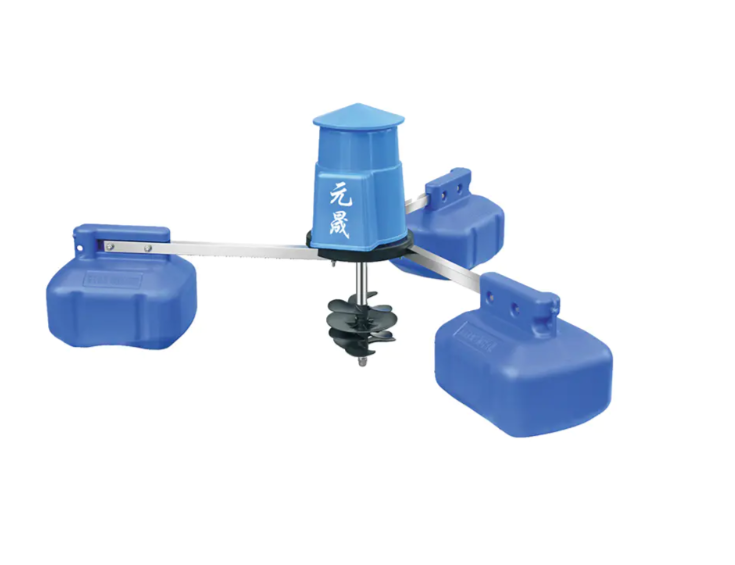
People usually expect a quick installation process. The reality is more layered. Positioning matters. Balance matters. Even the direction of sunlight during the day plays a role in how steady the system runs.
This article walks through the installation process in a practical way, focusing on real on-site decisions rather than theory.
Where Should a Solar Paddle Wheel Aerator Be Placed?
Location is the first decision, and it influences almost everything that follows.
A common choice is placing the system near the edge of a pond for easy access. While this feels convenient, it can limit how water circulates. When placed too close to one side, the movement tends to stay local instead of spreading across the full water area.
A better approach is to think about flow direction. Water should move across open space rather than circle tightly in one corner. Open zones allow the paddles to push water more freely, which improves overall movement.
Shallow and overly muddy areas are usually avoided. These spots can affect stability and may cause uneven floating behavior. A calm, moderately open area often works better than a visually convenient corner.
Small observation before final placement helps. Watching how wind moves across the pond can give clues about natural water direction.
How Should the Solar Panel Be Positioned?
The solar panel is the energy source of the system, so its position directly affects performance.
It needs consistent exposure to sunlight throughout the day. Partial shading, even for a short period, can reduce output and cause uneven operation of the aerator.
Most setups place the panel on a fixed support near the pond or on a stable ground frame. The angle is adjusted to match sunlight direction. This is not a one-time decision. Seasonal changes in light often require minor adjustments.
Cable distance also matters. A very long connection may lead to energy loss or signal inconsistency in some setups. Keeping the connection clean and direct helps maintain steady power flow.
Dust and surface dirt can reduce efficiency over time. A simple cleaning routine keeps the panel responsive without needing special tools.
What Is the Right Way to Assemble the Floating Frame?
The floating frame holds up the whole equipment set. If it isn't steady, every other part will be impacted as well.
Assembly begins with putting together the main frame pieces. It's not enough just to make it float; you need to make sure it stays level once the paddle wheels start turning.
Uneven weight spread is one of the most common problems. If one side carries more weight, the frame will lean a little. While this tilt may seem minor at first, it gets much more obvious in the water once the paddles start running.
All joints between frame parts need to be securely attached, but not overly tightened. Screwing them too hard creates stress on the structure, while loose connections make the frame shift while working.
Always test the frame on land before putting it in water. A gentle push‑and‑release check shows whether it sits level or keeps tipping to one side.
How Are the Paddle Wheels Installed Correctly?
The paddle wheels are responsible for water movement. Their installation affects both direction and strength of circulation.
Each paddle should be aligned evenly around the shaft. Small misalignment can lead to uneven contact with water, which creates vibration during rotation.
When placing the wheels, it is helpful to observe symmetry from multiple angles. A wheel that looks balanced from one side may still be slightly off when viewed from above.
Once mounted, manual rotation is often used for testing. A smooth, steady turn without resistance usually indicates correct installation.
The depth of paddle entry into water also matters after placement. Too shallow reduces water movement. Too deep increases resistance and may slow rotation.
How Is the Electrical and Solar Connection Set Up Safely?
Even for solar‑powered equipment, correctly wiring all parts is key to long‑term stable running.
Wiring links between solar panels, controllers and motors must be neatly arranged and kept away from direct water. Loose wires or exposed joints will cause faults over time.
Cables are normally routed along the equipment frame in fixed paths. This stops them shaking from wind or splashing water.
Always check that all connectors are tight before switching on the system. Secure wiring avoids unexpected shutdowns while working.
Some models have a basic control panel to adjust running speed based on sunlight levels. Even without advanced controls, solid direct wiring can keep the system working reliably.
How Do You Test the System After Installation?
Testing is usually done in stages rather than all at once.
The first stage is dry testing. The system is activated briefly without full water load. This helps confirm that rotation starts smoothly and no unusual vibration appears.
The second stage is partial water contact. The system is placed in shallow water to observe paddle interaction. This stage reveals how water responds to movement and whether circulation begins evenly.
The final stage is full operation in normal conditions. At this point, observation focuses on flow direction, stability, and consistency of movement across the pond.
Small adjustments are often made during this phase. Slight repositioning or angle correction can improve performance noticeably.
What Common Installation Issues Should Be Watched Closely?
Several issues appear frequently during installation, especially in first-time setups.
One is uneven floating balance. This usually comes from small weight differences across the frame. It can cause one side to dip lower, affecting paddle depth.
Another issue is weak sunlight exposure. Even partial shading during peak hours can reduce system activity and create irregular operation.
Loose mechanical connections may also appear after initial operation begins. Vibration from rotation can gradually shift parts that were not fully secured.
Water conditions sometimes introduce unexpected resistance. Floating debris or plant material may interfere with paddle movement if not considered during placement.
These issues are not rare, and most can be corrected with small adjustments rather than full redesign.
Simple Overview of Installation Flow
The installation process can be understood as a sequence of connected steps rather than isolated tasks.
| Step | Focus Area | What Needs Attention |
|---|---|---|
| Site selection | Water space and flow direction | Open movement area |
| Solar placement | Sunlight exposure | Stable angle and clean surface |
| Frame assembly | Balance and structure | Even weight distribution |
| Paddle installation | Rotation symmetry | Smooth movement |
| Electrical setup | Connection safety | Protected wiring |
| System testing | Real water behavior | Flow stability |
Each step influences the next. A small imbalance early in the process often becomes more visible during final testing.
How Does Real Operation Influence Final Adjustments?
Once the system is running, installation is not fully finished. Real water behavior often reveals details that are not obvious during setup.
Flow patterns may shift depending on wind or pond shape. A slight repositioning of the frame can improve circulation. Paddle depth may also need adjustment based on resistance felt during operation.
Solar exposure can change during the day. Observing performance at different times helps identify whether the panel position needs refinement.
These adjustments are part of normal use. They are not corrections of failure, but small refinements that help the system adapt to its environment.
Solar powered paddle wheel aerators combine movement, energy capture, and water circulation in a single setup. Installation is less about fixed steps and more about responding to conditions on site. Each pond behaves differently, and each setup finds its balance through observation and small changes during early operation.