

 English
 中文简体
中文简体 عربى
عربىAquaculture systems rely on stable water conditions. Oxygen levels shift throughout the day. Feeding cycles, temperature changes, and water movement all play a role. In this setting, equipment is expected to run without interruption for long periods.
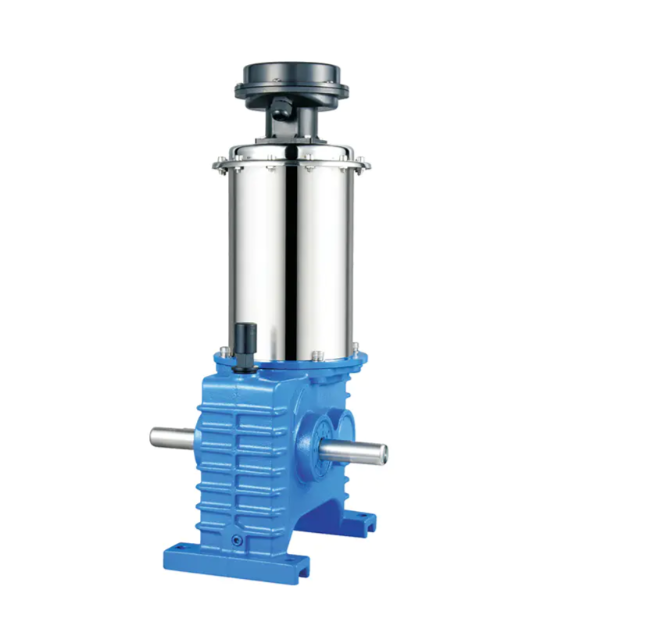
A paddle wheel aerator sits directly in this environment. It is not a passive tool. It constantly interacts with water, air, and mechanical load. Because of this, manufacturers cannot treat production as a simple assembly process. Quality becomes a layered concept, shaped by structure, materials, testing habits, and long-term performance expectations.
Understanding how paddle wheel aerator manufacturer approach quality standards helps explain why certain machines behave consistently in real farming conditions.
What does "quality standard" mean in aerator manufacturing?
In manufacturing, a quality standard is not only about appearance or initial performance. It refers to a set of internal expectations that guide how each unit is designed, built, and checked.
For paddle wheel aerators, these standards usually focus on three practical areas. Mechanical stability, material reliability, and long operating behavior.
Mechanical stability ensures the unit can rotate and move water without irregular vibration. Material reliability focuses on how components respond to water exposure and repeated use. Long operating behavior looks at how the machine performs over time rather than at a single moment.
Manufacturers often treat these areas as connected. A weakness in one area affects the others. This is why quality control is not placed at a single step, but spread across the production flow.
Why are material standards important in paddle wheel aerator production?
A paddle wheel aerator operates in a wet and sometimes harsh environment. Water, sunlight, and continuous movement all influence material behavior.
Manufacturers pay attention to how different parts respond to these conditions. Metal parts need resistance to corrosion. Plastic or composite components must maintain shape without becoming brittle. Fastening elements must stay stable under repeated vibration.
The goal is not only to make parts that function at the beginning, but to ensure they remain stable after long exposure.
Material selection is usually matched with the intended working environment. Some systems require continuous operation. Others involve seasonal use. The material approach changes accordingly.
This is why suppliers often evaluate raw materials before production starts, not after assembly.
How do manufacturers control structural consistency?
Structural consistency refers to how closely each produced unit matches the intended design behavior.
In paddle wheel aerators, even small differences in structure can affect water movement. Blade angle, wheel alignment, and frame balance all influence performance.
Manufacturers usually follow internal reference models during assembly. These models help guide positioning and alignment. Workers or automated systems compare each unit against these references.
It is not about making every product identical in appearance. It is about ensuring that mechanical behavior remains predictable.
When structure is stable, the aerator produces consistent water flow. When structure varies, performance becomes uneven across systems.
What role does motor quality play in production standards?
The motor is the driving force of a paddle wheel aerator. It determines how smoothly the system operates and how long it can maintain motion.
Manufacturers often treat motor selection as a central part of quality control. The focus is on stability rather than short bursts of performance.
A stable motor reduces vibration. It also helps maintain steady rotation under changing water resistance. In real aquaculture environments, resistance is not constant. Water density, debris, and flow conditions all shift during operation.
Because of this, manufacturers evaluate motor behavior under different load conditions before integration into the final unit.
Motor consistency also affects maintenance frequency. A stable system reduces unnecessary wear on surrounding components.
How is water movement efficiency evaluated?
Water movement is one of the most visible results of paddle wheel aerator performance. However, manufacturers do not evaluate it only by surface observation.
Instead, attention is placed on how evenly water is circulated. Uneven movement can create stagnant areas in ponds. These areas may affect oxygen distribution.
Quality standards often include checks for balance between rotation speed and blade interaction with water. The goal is not to push maximum movement, but to maintain steady circulation.
In practical terms, manufacturers observe how water responds to continuous operation rather than short-term output.
This approach reflects real aquaculture needs, where systems run for extended periods without interruption.
How do manufacturers manage durability expectations?
Durability in Impeller Type Aerator is shaped by repeated exposure to moisture and motion. It is not a single-point measurement.
Manufacturers often simulate extended use conditions during testing stages. Components are checked for wear patterns, connection stability, and surface changes.
Frame structures are also evaluated for deformation over time. Even small shifts in alignment can affect performance consistency.
Durability standards are not only about avoiding failure. They are also about maintaining stable function while gradual wear occurs naturally.
In this sense, durability is linked to predictability. A system that wears in a controlled way is easier to manage than one that changes suddenly.
What inspection steps are commonly used before delivery?
Before a paddle wheel aerator leaves the production line, several inspection steps are usually performed.
These steps are not always visible to end users, but they shape overall reliability.
Typical inspection focus areas include:
- Rotation smoothness during operation
- Structural alignment of wheel components
- Surface condition of exposed parts
- Connection stability between modules
- Noise behavior under continuous running
Each point reflects a different aspect of performance. Together, they form a general picture of product consistency.
Inspection is not limited to final stages. Some checks occur during assembly, while others happen after completion.
This layered approach helps reduce variation between units.
How do environmental expectations influence quality standards?
Most paddle wheel aerators get deployed out on open waters, meaning they have to cope with plenty of unpredictable field conditions no lab setup can replicate.
Changing weather, uneven water composition and regular seasonal swings all interfere with how these machines run day to day.
Equipment makers factor these real-life field hurdles while drawing up their internal quality benchmarks. Rather than building units suited only for perfect lab surroundings, they tailor specifications to fit inconsistent onsite working conditions.
Engineers make sure every installed part keeps working reliably amid shifting humidity and constant exposure to outdoor elements.
They also run trials to check long-run stability, confirming machines can operate nonstop over extended working cycles without breaking down.
Concerns over field surroundings steer every detail, from initial product design all the way through subsequent factory testing procedures.
What role does assembly accuracy play in final performance?
Separate spare parts turn into a finished aerator only once assembly wraps up. Even precision-manufactured components will fail to deliver full performance if installers skip strict alignment checks during fitting.
Producers put heavy emphasis on precise placement while putting units together. Clearance between blades, rotor balance and the matching of motor joints all directly decide the finished equipment's running state.
Tiny misalignments trigger choppy spinning and speed up part abrasion, so workers repeatedly inspect every assembly link as they go.
Many production lines pair visual spot checks with practical mechanical tests. All these checks exist to guarantee smooth mechanical motion before finished products proceed to subsequent processes.
Good assembly standards don't rely on complicated processing; the core is keeping uniform assembly quality across every finished machine.
How do manufacturers approach long-term usability?
Long-term usability is shaped by how a product behaves after extended use rather than immediate performance.
Paddle wheel aerator manufacturers often consider this during design and testing stages. They observe how components respond to continuous stress over time.
Instead of focusing only on initial output, attention is placed on how performance changes gradually.
A stable system shows predictable wear patterns. This allows users to plan maintenance without unexpected interruptions.
Long-term usability is closely linked to the idea of controlled change rather than sudden failure.
What quality mindset shapes the industry today?
The approach to quality in paddle wheel aerator manufacturing is becoming more system-oriented.
It is no longer about individual parts alone. It is about how all components work together under real operating conditions.
Manufacturers look at structure, motor behavior, material response, and environmental interaction as one connected system.
This mindset reflects the practical nature of aquaculture equipment. The goal is not only to build a machine that works, but to build one that continues working in changing conditions without frequent adjustment.
In many production environments, this shift in thinking influences every stage from material selection to final inspection.